Why is Aquaculture Feed So Expensive for Global Buyers?

Time:2026-05-09 Author:Oliver
0%

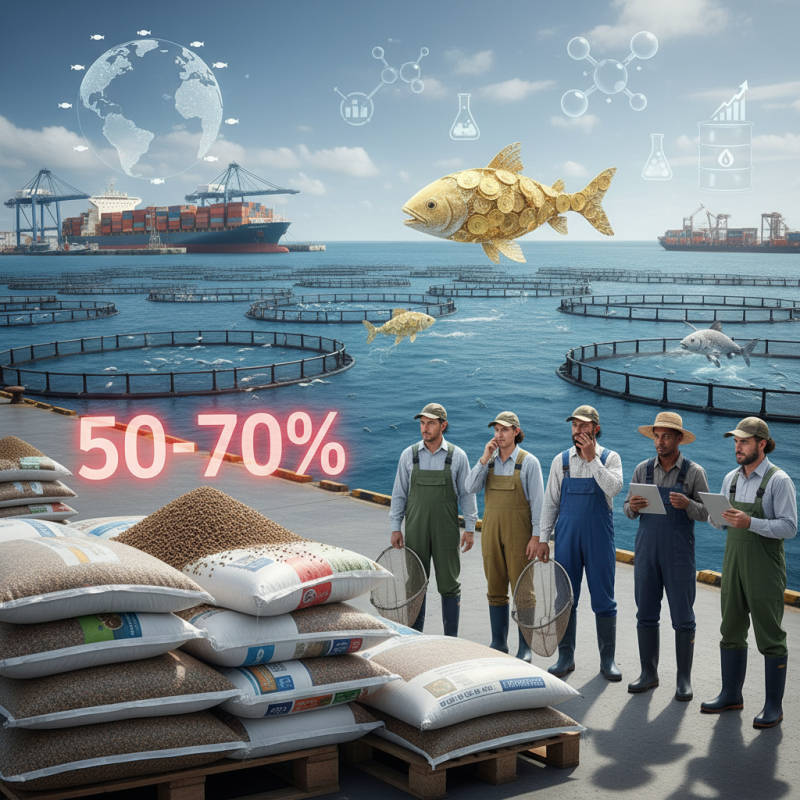
Aquaculture feed plays a vital role in global fish farming. The cost of this feed has surged dramatically in recent years. This prompts a crucial question: why is aquaculture feed so expensive for global buyers? According to the latest report from the Food and Agriculture Organization (FAO), feed accounts for 50-70% of total aquaculture production costs. The growing demand for seafood, alongside volatile ingredient prices, drives these high costs.

Several factors contribute to the rising expenses. For instance, the price of fish meal and oil has significantly increased, influenced by overfishing and regulatory changes. Reports from industry analysts highlight that these raw materials have become scarcer. This scarcity leads to supply chain struggles, consequently increasing feed prices. Additionally, advancements in nutrition science have resulted in more complex formulations, which can be costly.

While the industry strives for sustainability, challenges remain. Farmers often face high feed costs which can limit production. This situation raises concerns about the long-term viability of aquaculture. As buyers grapple with these challenges, a deeper understanding of the pricing dynamics in aquaculture feed becomes essential for making informed decisions.
Why is Aquaculture Feed So Expensive for Global Buyers?

Factors Contributing to the High Costs of Aquaculture Feed

The cost of aquaculture feed is significantly rising. Several key factors contribute to this trend. The demand for fish meal and oil is escalating globally, driven by high consumption rates in Asia and Europe. According to recent industry reports, fish meal prices surged by 30% in the past year, impacting overall feed costs. Global fish production is also projected to reach 200 million tons by 2025, intensifying competition for feed ingredients.

Another crucial aspect is the availability of raw materials. Climate change impacts the supply of fish meal ingredients. For instance, the reduction in certain fish populations affects availability and prices. An increase in production costs, linked to rising transportation and labor prices, further strains feed manufacturers.

Sustainability is another pressing challenge. Many aquaculture operations are now seeking eco-friendly feed alternatives. These options often carry higher price tags, as they require extensive research and development. Thus, the push for sustainable feed solutions is not just a trend but a necessity amidst dwindling marine resources. This complex web of factors highlights the challenges that global buyers face in the aquaculture feed market.

Global Demand for Fish and Seafood Driving Up Feed Prices

Global demand for fish and seafood is surging. According to the Food and Agriculture Organization (FAO), global fish consumption has increased by over 50% in the past two decades. This rise in demand is driving feed prices to an all-time high. Aquaculture feed, a critical component in fish farming, is heavily impacted by this trend.

Feed production is dependent on raw materials like fishmeal and fish oil. In 2021, the global fishmeal price reached $1,800 per metric ton. This spike is a direct result of competition for fish stocks. The aquaculture sector faces challenges sourcing sustainable and affordable feed ingredients. As consumers are increasingly mindful of sourcing, producers have to adapt, often at higher costs.

Moreover, climate change affects the supply chain. Unpredictable weather patterns impact fish stock availability. In regions where fish farming thrives, feed suppliers struggle to keep up. This has led to inefficiencies in production. A reliance on traditional sourcing methods isn’t sustainable. Innovations and alternative ingredients might be our saving grace, but they often come with their own challenges and uncertainties.

Impact of Ingredient Availability and Quality on Aquaculture Feed Pricing

The rising costs of aquaculture feed are deeply influenced by the availability and quality of key ingredients. According to the Food and Agriculture Organization (FAO), fishmeal and fish oil have seen price spikes due to overfishing concerns and stricter regulations. In recent years, fishmeal prices have risen by up to 50%, significantly impacting overall feed costs. The price volatility of these critical ingredients poses a challenge for global buyers.

Additionally, the quality of alternative protein sources is a crucial factor. Ingredients like soy and vegetable meals are often used to replace fishmeal, but their nutritional quality can vary widely. A report from the Global Aquaculture Alliance noted that lower-quality substitutes can lead to diminished growth rates in fish and shrimp. High-quality, sustainably sourced ingredients remain expensive, further straining budgets.

Furthermore, climate change is affecting ingredient availability. Droughts can reduce soybean yields, while shifting ocean temperatures impact fish populations. These uncertainties raise questions about the long-term sustainability of feed sourcing practices. Industry insights suggest that stakeholders need to invest in research for alternative feed sources. Addressing these issues requires collaboration and innovation to ensure a balanced and affordable aquaculture system.

Why is Aquaculture Feed So Expensive for Global Buyers?

Ingredient Type Availability (%) Quality Rating (1-10) Average Price ($/ton)
Fish Meal 60 8 1500
Soybean Meal 80 7 400
Corn Gluten Meal 75 6 350
Wheat Gluten 50 5 600
Algal Meal 40 9 1200

Role of Supply Chain and Transportation in Aquaculture Feed Costs

The global aquaculture industry faces significant challenges with feed costs. A key factor contributing to these costs is the supply chain. Disruptions in logistics can drastically impact prices. According to a recent report by the Food and Agriculture Organization, transport costs for essential feed ingredients have surged by over 30% this year due to rising fuel prices and inefficiencies in shipping routes.

Transportation delays often lead to increased spoilage of feed, further driving up costs. The International Aquaculture Alliance noted that timely delivery is crucial to maintaining optimal nutrition for fish. Shipping delays can lead to higher prices, as producers seek to cover lost resources. Many aquaculture farms report that even minor disruptions can push feed costs significantly, sometimes by up to 15% per batch. This cycle raises concerns about sustainability and profitability.

Moreover, geography plays a critical role. Regions further from production facilities incur higher transportation expenses. For example, a report highlighted that farms in non-coastal areas pay disproportionately more due to longer supply routes. These complications compel buyers to rethink strategies and seek diversified suppliers. Overall, the intricacies of the supply chain and transportation directly shape the economic landscape of aquaculture feed.

Impact of Supply Chain Factors on Aquaculture Feed Costs

Influence of Regulatory Standards on Aquaculture Feed Expenses

The rising costs of aquaculture feed have prompted global buyers to reassess their spending. A significant factor in these expenses is the influence of regulatory standards. Stricter regulations across various regions have increased compliance costs for feed manufacturers. For instance, a recent report by the Food and Agriculture Organization (FAO) indicated that compliance can raise production costs by up to 15%.


These standards often focus on sustainability and safety. They require more rigorous testing of raw materials and their composition. This leads to the necessity of acquiring higher quality ingredients, which can be significantly more expensive. According to industry analyses, nearly 40% of aquaculture feed costs are attributed to premium ingredients aimed at meeting these regulatory guidelines.


Moreover, while these regulations aim to promote environmental and health standards, they can have unintended consequences. Small-scale producers may struggle to meet these costly criteria. This creates a divide where only larger corporations can thrive, potentially impacting market competition. The ongoing evolution of regulatory frameworks necessitates continuous adaptation, leading to further uncertainties about future costs in the aquaculture feed sector.

FAQS

: Why are fish and seafood prices increasing globally?

: Global demand for fish and seafood has surged, increasing prices. Fish consumption rose by over 50% in 20 years.

How does feed production affect fish farming?

Feed production relies on raw materials like fishmeal and fish oil. Prices for fishmeal reached $1,800 per ton in 2021.

What challenges does aquaculture face in sourcing feed?

Aquaculture struggles to find sustainable and affordable feed. Producers often incur higher costs due to consumer demands.

How does climate change impact fish farming?

Climate change creates unpredictable weather patterns. This affects fish availability and disrupts supply chains.

What role do regulatory standards play in feed costs?

Stricter regulations raise compliance costs for producers. These can increase production costs by up to 15%.

How do premium ingredients affect aquaculture feed prices?

Meeting regulatory standards often requires higher quality ingredients. Nearly 40% of feed costs come from these premium inputs.

Who is most affected by rising feed costs?

Small-scale producers struggle with increasing expenses. Larger corporations may adapt better due to resources.

Are alternative feed ingredients a solution?

Innovations in feed ingredients may help, but they come with their own challenges. This creates uncertainty for producers.

What is the impact of rising costs on market competition?

Rising costs create a divide in the market. Only larger companies may thrive, which could harm smaller competitors.

How should producers respond to evolving regulations?

Producers must continuously adapt to new regulations. This ongoing change leads to uncertainty in future feed costs.

Conclusion

The high costs associated with aquaculture feed have become a significant concern for global buyers, raising the question: why is aquaculture feed so expensive? Several factors contribute to this issue, with the soaring global demand for fish and seafood being a primary driver of increased feed prices. As more consumers turn to aquaculture as a sustainable food source, the pressure on feed supplies intensifies, leading to higher costs.

Additionally, the availability and quality of ingredients used in feed formulations play a critical role in pricing. Limited supplies of high-quality raw materials can lead to price spikes. The complexity of the supply chain, from sourcing ingredients to transportation, further adds to the expenses. Moreover, stringent regulatory standards that govern aquaculture practices can impose additional costs, complicating the feed production process. These combined factors illustrate the intricate dynamics behind the high pricing of aquaculture feed in the global marketplace.

Oliver

Oliver

Oliver is a seasoned marketing professional with a wealth of expertise in driving brand awareness and engagement. With a deep understanding of our company's product offerings, he consistently delivers high-quality content that enriches our professional blog. His insights not only shed light on......