China Top Fish Feed What Is Best for Fast Growth?

Time:2026-10-12 Author:Amelia
0%

Choosing China’s top fish feed requires more than comparing protein percentages on a product label. The real question is, “what is the best feed for fast fish growth?” The answer depends on species, water temperature, fish size, stocking density, and feeding habits. A feed that performs well for tilapia may not suit carp, catfish, or marine species.

Aquaculture nutrition expert Dr. Albert G. J. Tacon has emphasized, “Feed is the single largest operating cost in aquaculture.” His point remains practical. Feed affects growth, waste, water quality, and farm profitability at the same time. A suitable formula should provide balanced protein, digestible energy, essential amino acids, vitamins, and stable pellets. It should also match the fish’s feeding behavior. Pellets that sink too quickly can disappear into muddy ponds. Floating pellets make feeding activity easier to observe.

There is no magic pellet.

Farm experience matters. Measure daily intake, check pellet response, and sample fish weight regularly. Clean water and correct oxygen levels are equally important. Even premium feed cannot repair overfeeding, poor storage, or stressful pond conditions. This is where many recommendations become too confident. Fast growth is not guaranteed by a high-protein label alone.

For Chinese aquaculture operations, buyers should examine ingredient quality, manufacturing consistency, feed conversion results, technical support, and independent testing. The best choice is usually the feed that produces steady growth with low waste, not merely the cheapest or most expensive option. Results may vary, so farmers should test a small batch before changing the entire feeding program.
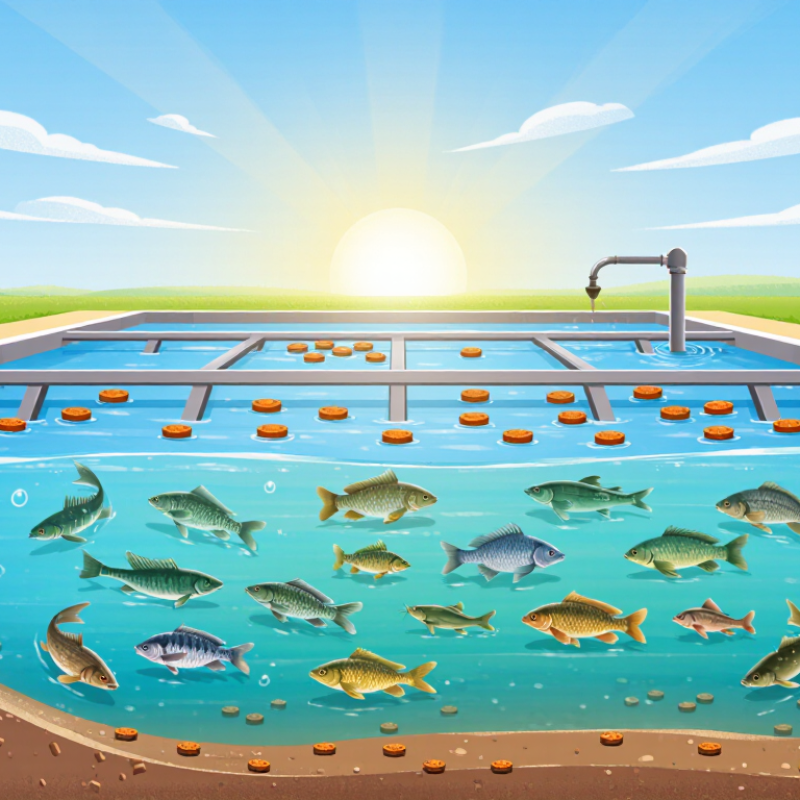
China Top Fish Feed What Is Best for Fast Growth?

What Makes Fish Feed Effective for Fast Growth in China

China Top Fish Feed: What Is Best for Fast Growth?

Effective fish feed is more than a high protein number. Fish need balanced amino acids, digestible energy, vitamins, and minerals for steady growth. In China, feed selection should match the species, water temperature, and farming system. Carp, tilapia, and freshwater fish do not share identical nutritional needs. Suitable pellet size also matters. Small fish may reject large pellets or waste them, while poor water stability can quickly cloud a pond.

Tips: Check the feed label and storage date. Choose pellets that remain firm in water. Feed small amounts and observe fish activity. Remove leftovers when practical. A simple feeding record can reveal whether growth is improving or feed is being wasted.

Practical farm observations suggest that consistency often beats aggressive feeding. Feed at similar times, adjust portions after weather changes, and reduce feeding during low oxygen conditions. Water quality should be checked with reliable equipment, especially for dissolved oxygen and ammonia. Faster growth is not always healthier growth. Excessive feeding may increase waste, stress, and disease risk. I would not trust one formula for every pond. A small, controlled feeding trial can compare growth, survival, and water clarity. Results may be slower than expected. That is useful evidence, not failure. Good feed supports growth, but management decides how much of its value the fish can use.

Key Nutrients in High-Performance Fish Feed

Fast growth begins with balanced nutrition, not simply higher protein. The FAO 2024 SOFIA report recorded 94.4 million tonnes of farmed aquatic animals in 2022. This scale makes feed efficiency increasingly important.

High-performance fish feed needs digestible protein from suitable marine, plant, or alternative sources. Amino acids such as lysine and methionine support muscle formation. Lipids provide concentrated energy and essential fatty acids, including EPA and DHA. Starch can supply energy, but excessive levels may reduce protein use. The NRC’s Nutrient Requirements of Fish and Shrimp stresses that needs vary by species, size, water temperature, and production system. One formula cannot fit every pond.

Micronutrients also matter. Vitamins A, D, E, and C support immunity, tissue repair, and stress resistance. Minerals such as phosphorus require careful control because unused nutrients can enter the water. In practical trials, check pellet stability, feeding response, feces, and daily weight gain. A fish that leaves pellets behind is giving clear evidence.

Fast growth is not always healthy growth. Very dense diets may increase fat deposition or water pollution. I have found that small feeding adjustments often outperform dramatic formula changes. The result can be less impressive than expected. That is worth examining. Nutrient balance, digestibility, and consistent farm management should guide feed selection, rather than protein percentage alone.

China Top Fish Feed What Is Best for Fast Growth? - Key Nutrients in High-Performance Fish Feed

Feed Category Typical Target Fish Crude Protein
(% of feed)
Crude Lipid
(% of feed)
Digestible Energy
(MJ/kg)
Available Phosphorus
(% of feed)
Key Nutritional Focus Best Use Stage
High-Protein Starter Fry and early juveniles of carp, tilapia and similar omnivorous species 40–45% 8–12% 13.5–16.5 0.45–0.75% Highly digestible protein, balanced essential amino acids, small particle size and stable water quality First feeding to early juvenile development
Juvenile Growth Feed Tilapia, carp, catfish and other fast-growing warm-water fish 32–38% 6–10% 12.5–15.5 0.40–0.65% Protein-to-energy balance, lysine and methionine supply, digestible minerals and vitamin support Juvenile growth phase
Grow-Out Feed Market-size tilapia, carp and catfish 28–34% 5–9% 12.0–15.0 0.35–0.60% Efficient energy utilization, adequate amino acids and moderate phosphorus to support growth without excessive waste Mid-growth to market-size production
Carnivorous Fish Feed Mandarin fish, snakehead, bass and other carnivorous species 42–50% 10–16% 15.0–18.5 0.50–0.85% High-quality animal and plant protein sources, concentrated energy and strong palatability Juvenile and active grow-out stages
Herbivorous or Low-Trophic Feed Grass carp and species with greater capacity to use plant ingredients 25–32% 4–8% 11.5–14.0 0.35–0.60% Balanced plant protein, adequate fiber control, essential amino acids and digestible energy Juvenile to grow-out stages
Breeding and Conditioning Feed Broodstock of carp, tilapia, catfish and other cultured fish 35–45% 8–14% 13.5–17.0 0.45–0.80% Essential fatty acids, phospholipids, vitamins E and C, carotenoids and mineral balance Pre-spawning and broodstock conditioning

Nutrient targets are general industry ranges and should be adjusted according to fish species, body size, water temperature, stocking density, ingredient digestibility and local production conditions. Actual feed performance also depends on pellet stability, feeding rate and water-quality management.

How to Choose Feed for Different Farmed Fish Species

Choosing fish feed in China should begin with species, not a “top” ranking. Each species digests nutrients differently. Tilapia and carp often perform well with balanced plant and animal protein sources. Catfish need stable pellets suited to warm, active ponds. Trout require nutrient-dense feed and clean, cool water. These differences matter.

For each species, match pellet size to mouth width and growth stage. Fry need fine particles and frequent feeding. Larger fish need pellets that float or sink according to feeding behavior. Check protein, lipid, phosphorus, and amino acid information. More protein is not automatically better. Overfeeding creates waste, cloudy water, and rising ammonia. A common mistake is changing pellet size too quickly. Small farm trials are safer than large purchases.

Measure daily feed, survival, average weight, and feed conversion ratio. Record water temperature, dissolved oxygen, and leftover pellets. Feed less during cold stress or low oxygen. Store bags off the floor, away from moisture and sunlight. A reliable supplier should provide batch details, feeding guidance, and testing documents. No formula works perfectly in every pond. Genetics, water hardness, stocking density, and handling can change results. Review records before changing the formula.

China Top Fish Feed: What Is Best for Fast Growth?

How to choose feed for different farmed fish species based on typical dietary protein and lipid requirements.

Values show representative midpoint targets commonly used in practical aquaculture diets. Cold-water species such as rainbow trout generally require higher protein and lipid levels than warm-water species such as carp and tilapia. Actual feed specifications should also consider fish size, water temperature, feed energy, and farming conditions.

Feeding Methods That Support Healthy Growth

China Top Fish Feed: What Is Best for Fast Growth?

Fast growth begins with the right feeding method, not simply more pellets. FAO’s The State of World Fisheries and Aquaculture 2024 reported 94.4 million tonnes of farmed aquatic animals in 2022. This scale makes feed efficiency important.

Farmers should select feed for the species, size, water temperature, and growth stage. A high-protein formula may help young fish, but excessive protein can increase waste and weaken water quality.

Feed small portions at fixed times. Watch the fish, not only the feeding chart. Active fish should finish most feed within five minutes, while leftovers require an immediate adjustment.

In warm water, fish often eat more, but oxygen demand also rises. Check dissolved oxygen before heavy feeding. Keep a simple record of feed intake, body weight, mortality, and water clarity. Small records reveal problems early.

Consistency matters.

Alltech’s 2024 Agri-Food Outlook estimated global aquaculture feed production at about 52.9 million metric tons in 2023, showing the sector’s growing feed demand. Yet fast growth is not always healthy growth.

Overfeeding may produce larger fish temporarily, while damaging gills and increasing disease pressure. That trade-off deserves honest attention.

A practical target is steady weight gain, firm body condition, and clean water. Sampling fish every two weeks can confirm whether the feeding plan actually works.

How to Compare Feed Quality, Safety, and Cost

China Top Fish Feed: What Is Best for Fast Growth?

Fast growth starts with usable nutrition, not the highest crude-protein number. Compare amino-acid balance, digestible energy, pellet size, and water stability.

A 2-millimeter pellet should remain firm while fish consume it. Soft pellets cloud the water and waste money.

FAO’s SOFIA 2024 report recorded 94.4 million tonnes of farmed aquatic animals in 2022. That scale makes feed quality a production decision, not a minor purchase.

Safety requires documented testing and traceability. Ask for recent analyses covering aflatoxins, heavy metals, pathogens, moisture, and rancidity.

Check the batch number against the delivery record.

OECD-FAO’s Agricultural Outlook 2024–2033 projects aquaculture will provide more than half of aquatic food for human consumption by 2033. Greater output also increases pressure to control feed risks.

Certification can help, but paperwork alone cannot replace sampling.

Cost should be measured per kilogram of fish produced. Record daily feed intake, mortality, water temperature, and feed conversion ratio.

A cheaper feed with an FCR of 1.8 may cost more than a premium feed at 1.3.

The calculation is simple, yet farms sometimes compare only bag prices. That is a weak habit.

In real ponds, growth can fall after weather changes, poor storage, or uneven feeding.

I would test two formulas in separate cages for three weeks before making a large purchase. Their results may still be imperfect. That is useful evidence.

FAQS

Why is balanced nutrition more important than simply adding protein?

Balanced feed supports growth, energy, immunity, and tissue repair. Excess protein can increase waste and reduce water quality. More protein is not always better.

Which nutrients support strong muscle growth in farmed fish?

Digestible protein supplies amino acids such as lysine and methionine. These nutrients support muscle formation. Fish also need energy from lipids and starch.

Why are EPA and DHA important in fish feed?

EPA and DHA are essential fatty acids supplied by suitable lipid sources. They support normal development and overall fish health. The exact requirement varies by species.

How should feed differ between species?

Feed should match species, size, water temperature, and production system. Trout need nutrient-dense feed in cool, clean water. Carp and tilapia may use balanced plant and animal proteins.

How do I choose the correct pellet size?

Match pellet size to mouth width and growth stage. Fry need fine particles and frequent feeding. Larger fish may need floating or sinking pellets.

What happens when fish are overfed?

Leftover pellets can decay and increase ammonia. Water may become cloudy. Overfeeding also wastes money and may increase unhealthy fat storage.

Which farm records help evaluate feed performance?

Record daily feed, survival, average weight, and feed conversion ratio. Also check water temperature, dissolved oxygen, feces, and leftover pellets. Small trials help.

What practical signs show that feed may be unsuitable?

Fish may ignore pellets, gain weight slowly, or produce unusual feces. Poor pellet stability can create losses. One observation is not enough, so review several days of records.

How should feed be stored and adjusted?

Store bags above the floor, away from moisture and direct sunlight. Feed less during cold stress or low oxygen. Sudden pellet changes can confuse fish.

Can one feed formula work perfectly in every pond?

No formula fits every pond. Genetics, water hardness, stocking density, and handling can change results. I sometimes expect dramatic improvements, but small adjustments often work better.

Conclusion

Choosing the right fish feed is essential for achieving fast, healthy growth in Chinese aquaculture. Effective feed should provide a balanced combination of high-quality protein, digestible energy, essential amino acids, healthy fats, vitamins, and minerals. The ideal formula depends on the species, age, feeding habits, and farming environment of the fish. For example, young fish may need smaller pellets with higher nutrient density, while larger fish may require feed designed for efficient weight gain and strong body development. When asking “what is the best feed for fast fish growth,” farmers should consider nutritional balance rather than protein content alone.

Good feeding practices are equally important. Farmers should select the correct pellet size, feed at suitable times, adjust the amount according to water temperature and fish appetite, and avoid overfeeding. Feed quality should also be evaluated through ingredient transparency, freshness, digestibility, safety controls, water stability, and overall cost per unit of healthy growth. A reliable feeding plan can improve performance, reduce waste, protect water quality, and support sustainable fish production.

Amelia

Amelia

Amelia is a seasoned marketing professional with a wealth of expertise in our company’s core offerings. With an unwavering passion for driving growth and innovation, she plays a pivotal role in shaping our marketing strategies and enhancing brand visibility. A key aspect of her responsibilities......