Best Feed Options for Successful Shrimp Farming?

Time:2026-05-31 Author:Mason
0%

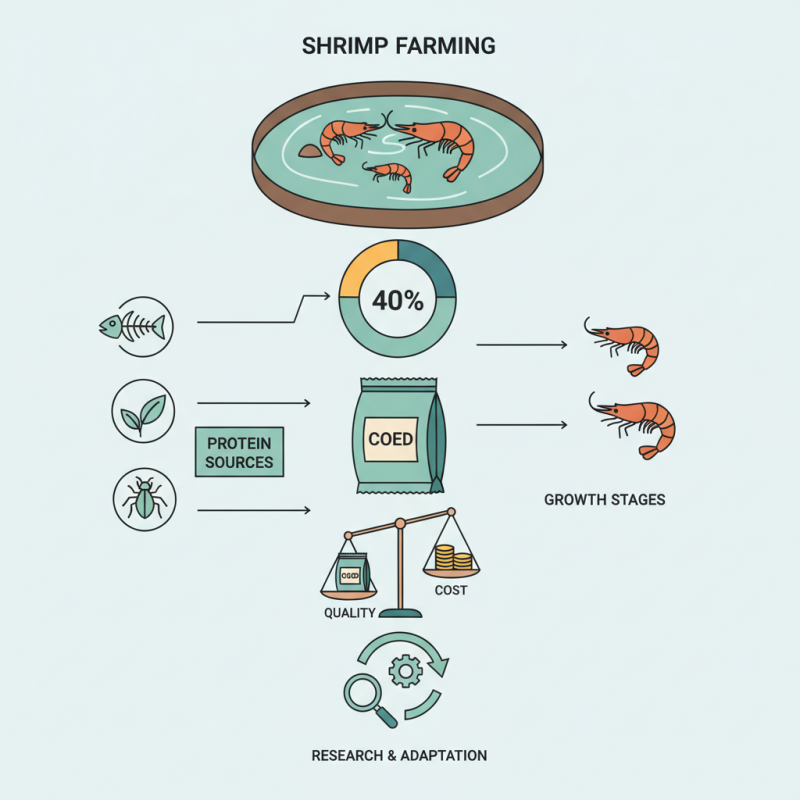
Successful shrimp farming hinges significantly on the choices made regarding feed. Farmers often ask, "what feed is best for shrimp farming?" The answer requires careful consideration of nutritional needs and cost-effectiveness. According to a report by the Food and Agriculture Organization, feed constitutes around 40% of total production costs in shrimp farming. With this in mind, selecting the right feed can significantly impact profit margins and sustainability.

Diverse feed options exist, with ingredients ranging from fishmeal to plant-based proteins. While fishmeal remains a traditional choice, relying solely on it raises concerns regarding overfishing and environmental sustainability. Innovations in feed technology are emerging, focusing on alternative protein sources. For instance, a recent study highlighted the potential of insects as a viable feed option.

Ultimately, the decision on feed should align with the shrimp species being farmed, the growth stage, and local conditions. Farmers must remain vigilant about their feed choices, balancing quality and cost. Continuous research and adaptation are essential to stay competitive in this dynamic industry.
Best Feed Options for Successful Shrimp Farming?

Best Feed Options for Successful Shrimp Farming

Selecting the right feed is crucial for successful shrimp farming. High-quality diets ensure optimal growth and health. A balanced feed includes protein, fat, vitamins, and minerals. Protein sources can vary, but some common options include fish meal and soybean meal. These ingredients promote muscle development and support immune function.

However, not all feeds are created equal. Some farmers face challenges with feed conversion ratios. Poor quality feeds can lead to lower growth rates and higher feed costs. Consistency in feed quality matters as well. Inconsistent formulations can cause stress in shrimp, impacting their overall health.

Monitoring feeding practices is essential. Observe how shrimp react to different feeds. Adjustments may be necessary based on growth patterns. It is also important to note that environmental conditions can affect feed efficacy. Water quality and temperature play significant roles in shrimp metabolism. Keeping this in mind can enhance overall farm productivity.

Best Feed Options for Successful Shrimp Farming

Feed Type Protein Content (%) Fat Content (%) Fiber Content (%) Cost per kg (USD)
Pelleted Feed 35 8 5 1.50
Floating Feed 28 5 4 1.20
Fermented Feed 32 10 6 2.00
Natural Diet 40 6 3 2.50
Custom Formulated Feed 36 7 5 1.80

Nutritional Requirements of Different Shrimp Species

Understanding the nutritional requirements of shrimp species is crucial for successful shrimp farming. Shrimp are omnivores, thriving on a diet that includes proteins, fats, and carbohydrates. Each species has unique dietary needs. For instance, the Pacific white shrimp prefers high protein levels, while the black tiger shrimp requires a more balanced nutrient profile. A well-rounded diet stimulates growth and enhances disease resistance.

Feeding shrimp can be tricky. Overfeeding leads to water quality issues, while underfeeding stunts their growth. A careful balance is essential. Farmers often face challenges in sourcing quality feed. Nutritional deficiencies can lead to poor health and lower productivity. Regular monitoring of shrimp growth and health is necessary to adjust feed formulations effectively.

Further complicating matters, not all feed is equally effective. Some formulations may lack essential vitamins or minerals. Farmers must stay informed about the latest research and practices. Knowledge empowers better decision-making. Ultimately, refining feeding strategies can lead to a more sustainable and profitable shrimp farming venture. Experience plays a significant role in this process, often revealing the need for ongoing adjustments to feeding practices.

Analysis of Plant-Based vs. Animal-Based Feed Ingredients

When considering the best feed options for shrimp farming, the debate between plant-based and animal-based ingredients is vital. Plant-based feeds often contain ingredients like soy, corn, and algae. They are rich in carbohydrates and certain essential nutrients. However, they can lack some critical amino acids that shrimp need for optimal growth. This gap can lead to slower development rates and poorer overall health in shrimp.

On the other hand, animal-based feeds typically provide higher protein levels. Ingredients such as fish meal or shrimp meal are common. These ingredients deliver a more balanced amino acid profile. However, sourcing animal-based feeds can be more environmentally challenging. Overfishing concerns and high costs are significant issues. Farmers must balance nutritional needs with ethical sourcing practices.

Both feed types have pros and cons. Each farm's choice may depend on local availability and environmental impact. It's essential to experiment and analyze results regularly. Finding the right balance in feed can be a complex process involving trial and error. Continuous learning and adaptation are key to successful shrimp farming.

The Role of Feed Quality in Shrimp Growth Performance

The quality of feed is crucial for successful shrimp farming. A well-balanced diet impacts growth rates significantly. Shrimp require a diet rich in proteins, fats, vitamins, and minerals. The right nutrient mix enhances shrimp health and yield. Poor quality feed can lead to stunted growth and higher mortality rates.

Evaluating feed ingredients is essential. Natural sources like fish meal are beneficial, but inconsistent quality can affect shrimp health. A common issue is using low-quality additives, which may contain harmful substances. Farmers should prioritize sourcing high-quality feed ingredients. Regular analysis of feed composition is vital. This helps ensure that nutritional needs are met adequately.

Another aspect to consider is feeding frequency. Overfeeding can lead to waste and water pollution. This negatively impacts the overall health of the shrimp. A balanced approach to feeding schedules helps optimize growth without compromising the environment. Observing shrimp behavior can offer insights into their feeding habits. Adjustments based on these observations can lead to better growth performance. Quality feed is not just about ingredients; it's about understanding the specific needs of the shrimp.

Sustainability Practices in Shrimp Feed Production

Sustainable practices in shrimp feed production are crucial for the aquaculture industry. Traditional feed sources, primarily fishmeal and fish oil, pose significant sustainability challenges. Reports indicate that over 30% of global fish stocks are overfished. This raises concerns about the long-term viability of using wild fish as feed ingredients.

Innovative alternatives, like insect meal and plant-based proteins, are gaining traction. Studies show that replacing fishmeal with these options can reduce environmental impact. For instance, using black soldier fly larvae can cut feed conversion ratios significantly. These insects convert organic waste into high-quality protein, minimizing reliance on wild catch.

However, the shift to sustainable feed isn’t without challenges. The nutritional quality of plant-based feeds can vary widely. It requires careful formulation to meet shrimp dietary needs. Farmers must adapt practices and invest in research to optimize feed efficiency. Balancing sustainability with performance remains an ongoing issue in shrimp farming.

Emerging Trends in Shrimp Feed Innovations and Technologies

Emerging trends in shrimp feed innovations are reshaping the industry. Sustainable sourcing of ingredients is one major focus. Many farmers are turning to alternative protein sources, like insect meal or algae, to reduce reliance on traditional fishmeal. This shift not only eases overfishing concerns but also supports environmental sustainability.

Another innovation is the precision feeding technology. This approach tailors feed distributions based on individual shrimp needs. Sensors and AI are used to monitor growth rates and adjust feeding accordingly. This method minimizes waste and optimizes growth, leading to healthier shrimp.

Tips for better shrimp farming: Use automated systems to monitor water quality constantly. Consistent parameters lead to better growth rates. Also, consider diversifying feed types over time. Rotating feed can help prevent dietary deficiencies and promote overall shrimp health. Remember, innovation is an ongoing process. Reflect regularly on your practices and be open to change.

FAQS

: Why is feed selection important in shrimp farming?

: The right feed ensures optimal growth and health of shrimp. Quality diets support their development.

What should a balanced shrimp feed contain?

A balanced feed includes proteins, fats, vitamins, and minerals. Each component plays a vital role.

How do different shrimp species have varying nutritional needs?

Each shrimp species has distinct dietary requirements. For example, Pacific white shrimp need more protein.

What problems can arise from poor feed quality?

Low-quality feeds can reduce growth rates. This may increase overall feeding costs for farmers.

How can shrimp farmers monitor feeding practices effectively?

Observe shrimp reactions to different feeds. Adjustments should be made based on their growth patterns.

What environmental factors affect shrimp feed efficacy?

Water quality and temperature significantly influence shrimp metabolism. These must be monitored closely.

What issues can arise from overfeeding shrimp?

Overfeeding can lead to water quality problems. This affects overall shrimp health and growth.

Why is it necessary to stay updated on feed formulations?

Not all feeds contain essential nutrients. Staying informed helps farmers make better feeding decisions.

How can shrimp farming practices be refined?

Regularly monitor shrimp health and growth. Experience often reveals the need for adjustments.

What is a common challenge in sourcing feed for shrimp?

Farmers may struggle to find high-quality feeds. Nutritional deficiencies can impact shrimp productivity.

Conclusion

In the quest for successful shrimp farming, selecting the right feed is paramount, leading to the question of what feed is best for shrimp farming. The nutritional requirements vary among different shrimp species, making it essential to tailor feed formulations to meet these specific needs. A comparison between plant-based and animal-based feed ingredients highlights the importance of optimizing diet while considering growth performance and overall health.

Moreover, the role of feed quality significantly influences shrimp growth, making it crucial for farmers to choose high-quality ingredients. Sustainability practices in shrimp feed production are gaining traction, ensuring that feed sourcing has minimal environmental impact. Finally, emerging trends in shrimp feed innovations and technologies promise to enhance efficiency and sustainability in the aquaculture industry, pushing the boundaries of what feed is best for shrimp farming.

Mason

Mason

Mason is a seasoned marketing professional with a deep expertise in the company's offerings and a passion for driving brand awareness. With a strong background in digital marketing strategies, he has an innate ability to connect with diverse audiences and effectively communicate product benefits.......