Choosing the right aquaculture feed is essential for successful fish farming. The type of feed impacts growth rates, health, and overall productivity. It can be challenging to determine the best options without proper guidance.
Many factors influence how to choose the right aquaculture feed. Nutritional content should be balanced for the specific species raised. The feed should meet their protein and fat requirements. Quality matters, too; poor-quality feed can lead to health problems. Price may tempt one towards cheaper options, but this often affects results.
Consider local sourcing and availability. Freshness is crucial for optimal nutrition. Regularly evaluating feed performance and fish health adds to the challenge. It requires constant attention, suggesting that trial and error may be unavoidable. Every aquaculture operation is unique, meaning one solution may not fit all. Therefore, gaining knowledge and experience is vital for making the best choices.
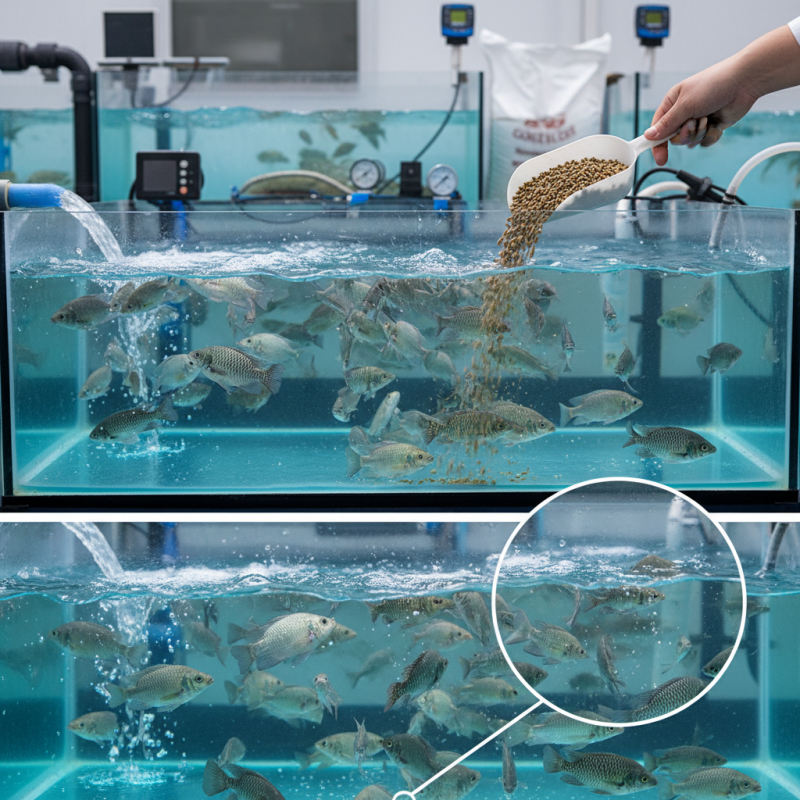
Understanding Nutritional Requirements of Aquaculture Species
Choosing the right aquaculture feed begins with understanding the nutritional requirements of the species in question. Different species have varying needs for proteins, fats, vitamins, and minerals. For instance, carnivorous fish require higher protein levels compared to herbivorous species. Inadequate nutrition can lead to poor growth, low survival rates, and disease susceptibility.
When selecting feed, always assess the life stage of your fish. Fry, juveniles, and adults all have different dietary needs. The size and type of feed must match the fish's developmental stage. Quality feed will enhance growth rates and improve overall health.
Another critical factor is the digestibility of the feed. Some feeds may look beneficial but can be poorly digested by certain species. Testing the feed for digestibility can save time and resources in the long run. Ensuring that your feed complements the natural diet of your fish can also promote better growth and health outcomes.
Evaluating Ingredient Quality and Source for Feed Formulation
Choosing the right aquaculture feed begins with evaluating the quality and source of ingredients. Quality ingredients are crucial for fish health and growth. Look for raw materials rich in protein, fats, and essential vitamins. Ensure they come from reputable sources with transparent supply chains.
When assessing ingredient quality, check for freshness and nutritional content. Ingredients that have been preserved properly retain more nutrients. Testing for contaminants is also necessary. Poor quality feed can lead to health issues and affect overall yield.
It's wise to consider ingredient diversity. A varied diet can better meet the nutritional needs of your aquatic species. Relying solely on one type of feed may not provide all necessary nutrients. Monitor your fish closely for any signs of deficiency. Regularly reviewing your feed composition can lead to better outcomes and higher efficiency in your aquaculture operations.
Analyzing Feed Conversion Rates for Efficient Growth
When choosing aquaculture feed, analyzing feed conversion rates is crucial. This rate indicates how well fish or shrimp convert feed into body mass. A higher feed conversion rate means your aquaculture system is more efficient. To achieve this, consider the nutritional composition of the feed. Quality proteins, fats, and vitamins are essential. Nutritional deficiencies can lead to poor growth and health issues.
It's important to monitor growth rates regularly. If you notice inconsistencies, reflect on your feed choice. The right feed should not only boost growth but also promote disease resistance. Look for feed that is palatable and easy to digest. These factors greatly impact how fish utilize nutrients. Meanwhile, balance feed availability to prevent overfeeding, which can negatively affect water quality.
Evaluating the feed's performance is an ongoing process. Adjustments may be necessary as your fish mature or environmental conditions change. Collect data and be open to experimentation. This adaptability is key to optimizing feed conversion rates. Ultimately, maximizing feed efficiency can lead to a more sustainable and profitable aquaculture operation.
Considering Environmental Impact and Sustainability of Feed Options
Choosing the right aquaculture feed requires careful consideration of environmental impact and sustainability. The aquaculture sector is under increasing pressure to adopt practices that minimize ecological footprints. Reports indicate that feed accounts for up to 70% of production costs in aquaculture. Thus, selecting sustainable feed options can significantly reduce resource use.
One key focus is on the sourcing of ingredients. Feed made from fishmeal contributes to overfishing and biodiversity loss. Conversely, plant-based alternatives and insect protein offer a lower environmental impact. A recent study highlights that plant-based feeds can produce 50% fewer greenhouse gas emissions. Sustainable feeds must also consider nutrient digestibility and fish health. Not all alternatives provide the same benefits, leading to potential compromises in fish growth and sustainability.
Another aspect is the life cycle assessment of feeds. This analysis evaluates the total environmental impact from production to disposal. Many aquaculture operations overlook this step. The gap in such assessments can lead to unexpected harm. A more holistic approach is needed, where every ingredient is scrutinized for its ecological footprint. By making informed choices, the aquaculture industry can progress toward more sustainable practices.
Assessing Cost-Effectiveness of Different Feed Types in Aquaculture
Choosing the right aquaculture feed is crucial for successful fish farming. Assessing cost-effectiveness helps optimize resources while ensuring healthy growth of aquatic species. According to the FAO, feed typically accounts for over 50% of production costs in aquaculture. Selecting the right feed can reduce waste and improve conversion rates, which directly impacts profitability.
Different feed types vary widely in terms of nutritional content and cost. For example, fish meal remains a premium source of protein, but its price can fluctuate significantly due to global supply issues. In contrast, plant-based feeds offer a more sustainable and often cheaper alternative, though they may require careful formulation to ensure adequate amino acid profiles. A study by the World Aquaculture Society shows that optimizing feed formulations can increase nutrient retention by up to 15%.
Aquaculture farmers must regularly review their feed choices. While high-cost feeds may promise rapid growth, they don’t always deliver better long-term results. Balancing cost with nutritional value requires ongoing evaluation of feed performance. Implementing trials and monitoring fish health can lead to better economic and growth outcomes, ensuring a more sustainable future for the industry.
10 Best Tips on How to Choose the Right Aquaculture Feed? - Assessing Cost-Effectiveness of Different Feed Types in Aquaculture
| Feed Type |
Protein Content (%) |
Cost per kg ($) |
FCR (Feed Conversion Ratio) |
Sustainability Score (1-10) |
| Fish Meal |
60 |
2.50 |
1.2 |
6 |
| Soybean Meal |
44 |
0.80 |
1.5 |
5 |
| Extruded Pellets |
40 |
1.10 |
1.3 |
7 |
| Spirulina |
57 |
3.00 |
1.1 |
9 |
| Wheat Gluten |
80 |
1.50 |
1.4 |
4 |
| Canola Meal |
36 |
0.90 |
1.6 |
5 |
| Algal Meal |
50 |
2.70 |
1.3 |
8 |
| Pet Food By-Products |
38 |
0.70 |
1.7 |
3 |
| Insect Meal |
45 |
2.20 |
1.4 |
10 |
FAQS
: Different species need varying levels of proteins, fats, vitamins, and minerals. Carnivorous fish need more protein than herbivores.
The life stage, such as fry or adults, affects dietary needs. The feed must match the fish's developmental stage.
Poorly digestible feeds can waste resources. Testing digestibility can help choose a more effective feed.
Feed conversion rates show how well fish turn feed into body mass. A higher rate means better efficiency.
Nutritional deficiencies can lead to slow growth and health issues. Regular monitoring is important to ensure proper nutrition.
Look for palatability, digestibility, and nutritional quality. These factors affect nutrient utilization and fish growth.
Adjustments may be necessary as fish grow or conditions change. Remain flexible in your feeding strategy for better outcomes.
Overfeeding can harm water quality. Balance feed availability to improve overall health in the aquaculture system.
Evaluating feed performance helps identify growth inconsistencies. It ensures better nutrient use and supports operational efficiency.
Conclusion
Choosing the right aquaculture feed is crucial for the successful cultivation of aquatic species. To make an informed decision, it is essential to understand the nutritional requirements of the specific species being farmed. This involves evaluating the quality and source of feed ingredients, as well as analyzing feed conversion rates to ensure efficient growth.
Moreover, considering the environmental impact and sustainability of different feed options is vital to promote eco-friendly aquaculture practices. Finally, assessing the cost-effectiveness of various feed types can help aquaculture producers optimize their resources while maintaining high production standards. By following these guidelines, one can effectively learn how to choose the right aquaculture feed that meets both the needs of the species and the operational goals of the aquaculture system.

 Pawlix Pet