Top 10 Ways to Boost Fish Growth with Better Feed?

Time:2026-05-13 Author:Charlotte
0%

Ensuring optimal fish growth is crucial in aquaculture. One effective strategy is to focus on nutrition. Understanding how to improve fish growth with better feed is essential for both commercial and recreational fish farming. The right feed enhances growth rates, boosts health, and increases survival rates.

Quality feed, rich in protein and essential nutrients, significantly impacts fish development. However, not all feed is created equal. Different fish species have specific dietary needs. It's vital to research these needs to select the most suitable options. A well-balanced diet can lead to impressive growth results, but the feed's quality must be consistently monitored.

Some fish farmers may overlook the importance of feed formulation. They often rely on generic feeds that may not meet specific requirements. This approach can hinder growth and lead to waste. It’s important to reflect on past practices. Evaluating feed choices can reveal areas for improvement. By focusing on tailored nutrition, fish farmers can optimize growth and achieve success in their endeavors.
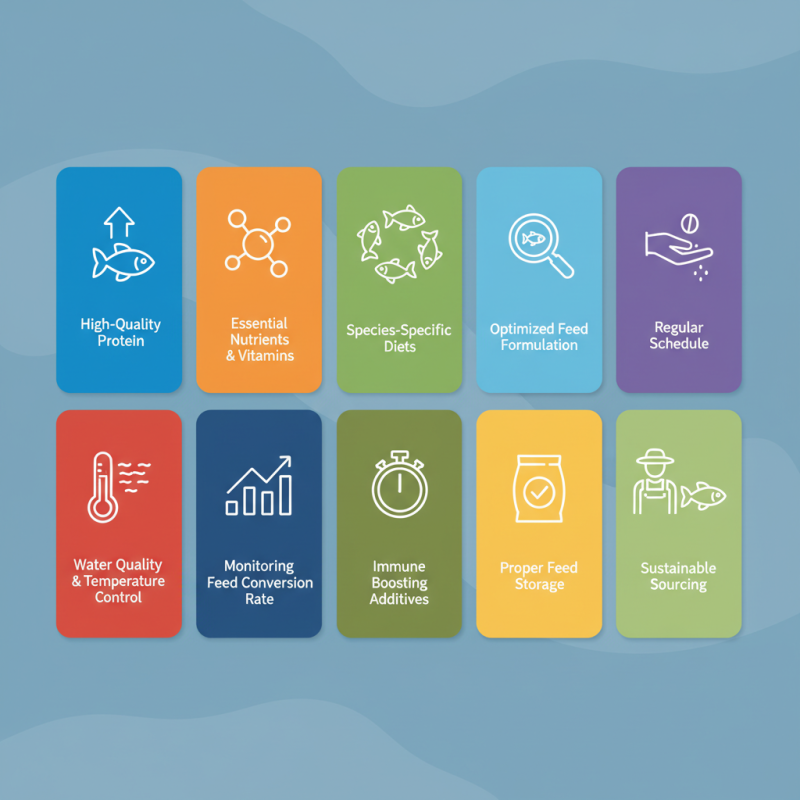
Top 10 Ways to Boost Fish Growth with Better Feed?

Understanding the Nutritional Needs of Different Fish Species

Understanding the nutritional needs of different fish species is crucial for optimizing growth. Each species has unique requirements. For example, carnivorous fish need diets rich in proteins, while herbivorous fish thrive on plant-based feeds. Providing the right balance impacts their health and growth rates.

Vitamins and minerals also play pivotal roles. Fish may suffer from deficiencies if not given a balanced diet. Some nutrients, like Omega-3 fatty acids, are essential for brain development in certain species. Ignoring these needs can lead to stunted growth or health issues.

Feeding frequency matters, too. Young fish may require several small meals daily. Adult fish, however, may do well with less frequent feeding. Observing feeding behavior can reveal insights about their nutritional preferences. It's essential to adjust diets based on their growth stages.

Evaluating the Types of Feed Available for Optimal Fish Growth

When selecting feed for fish, understanding the types available is critical. Commercial fish feed typically includes pellets made from fish meal, plant protein, and vitamins. Reports indicate that fish meal can significantly enhance growth rates, offering protein levels upwards of 60%. However, reliance solely on fish meal may not be sustainable.

Plant-based feeds have gained popularity due to their lower ecological impact. Studies suggest that incorporating soybean meal or corn gluten can provide adequate amino acids for fish. Yet, these alternatives might not support growth as efficiently as traditional feeds. Some fish show slower development on plant-based diets, prompting questions about balance.

Another aspect to consider is the digestibility of feed. Research shows that well-formulated feeds improve nutrient absorption. When fish consume easily digestible nutrients, their growth rates may increase. However, there’s an ongoing debate about the long-term effects of various feed types on fish health and sustainability. Rethinking feeding strategies may lead to new insights for optimal fish growth.

Incorporating Natural Ingredients to Enhance Feed Quality

Incorporating natural ingredients into fish feed can significantly enhance growth rates. Research shows that diets rich in plant-based proteins, such as algae and spirulina, improve the nutritional profile of feed. Studies indicate that fish fed with these ingredients exhibit a growth increase of up to 18%. This approach aligns with the growing emphasis on sustainability in aquaculture.

Natural ingredients not only elevate quality but also support fish health. Omega-3 fatty acids from sources like flaxseed promote better immune responses. A study highlighted that fish receiving omega-3-enriched feed had 25% lower mortality rates due to disease. However, sourcing these ingredients sustainably remains a challenge. Over-reliance on certain natural sources can deplete ecosystems, raising ethical concerns in aquaculture practices.

Despite these advantages, the transition to natural ingredients is not without its hurdles. Maintaining palatability while ensuring nutritional adequacy can be difficult. Some fish may initially reject new feed formulations, complicating the adoption process. Continuous research is essential to optimize these blends and ensure they meet the demands of both the fish and the aquaculture industry.

Feeding Strategies: Frequency and Quantity for Better Growth

Feeding strategies significantly impact fish growth. The frequency and quantity of feeding are crucial factors. Research shows optimal feeding frequencies can vary. For example, younger fish may benefit from 3 to 4 meals daily. In contrast, larger fish may thrive on 1 to 2 meals daily. This variation maximizes nutrient absorption and promotes growth.

Remember to adjust the feed quantity based on fish size. Overfeeding can lead to water quality issues. It may bring stress and reduce growth rates. Use the 2-3% body weight guideline to determine daily feed amounts for optimal results. Every fish species has specific dietary needs, making it essential to tailor your feeding practices.

Tip: Monitor fish behavior after feeding. If they show signs of aggression or stress, reconsider your feeding strategy. Ensure a balanced diet rich in proteins, fats, and vitamins. Regularly evaluate feeding strategies to improve efficiency. Document growth rates and adjust feeding frequency or quantity accordingly. Continuous assessment helps identify potential issues early. Quality feed and proper management practices yield healthier fish, leading to better growth outcomes.

Fish Growth Enhancement with Optimal Feeding Strategies

Monitoring and Adjusting Feed Based on Fish Growth Rates

Effective monitoring and adjusting feed according to fish growth rates is crucial in aquaculture. Research indicates that optimizing feed helps increase growth rates significantly. For instance, a study showed that feed composition can enhance fish growth by up to 30% within just a few months. Precision in feed adjustments based on real-time growth data leads to better feed conversion ratios.

Aquaculture professionals recommend tracking growth metrics regularly. Keeping a close eye on fish size and weight provides valuable insights. If fish growth stalls, it may signal a need to adjust protein levels or caloric intake. Eventually, a mismatch in feed and fish needs can lead to reduced health and growth, proving that monitoring is not just beneficial—it's essential.

Data support that frequent adjustments can yield better results. For example, studies have shown that fish fed with precise nutrient formulations exhibit optimal growth patterns. However, it’s essential to consider that overfeeding can also hinder growth. A balanced approach, combined with continuous monitoring, can propel fish farming success.

FAQS

: Why is understanding the nutritional needs of fish essential?

: Different fish species have unique dietary requirements. Fulfilling these needs optimizes their growth and health.

What do carnivorous fish require in their diet?

Carnivorous fish need diets rich in proteins to thrive and grow properly.

How do herbivorous fish differ in their nutritional needs?

Herbivorous fish thrive on plant-based feeds, which are crucial for their health.

What role do vitamins and minerals play in fish health?

Vitamins and minerals prevent deficiencies. They are vital for overall health and optimal growth.

How often should young fish be fed?

Young fish require several small meals daily to support their rapid growth.

Why is monitoring fish growth important?

Tracking fish size and weight helps determine necessary feed adjustments for optimal growth.

What can stalling growth indicate in fish?

Stalling growth may signal a need to adjust protein levels or overall caloric intake.

How does overfeeding affect fish growth?

Overfeeding can hinder growth. A balanced feeding approach is crucial for fish health.

What can precise nutrient formulations achieve in fish farming?

They can enhance growth patterns significantly when monitored and adjusted correctly.

Is continuous monitoring beneficial for aquaculture?

Yes, continuous monitoring leads to better feed conversion and overall fish farming success.

Conclusion

In the pursuit of understanding how to improve fish growth with better feed, it is essential to first recognize the specific nutritional needs of various fish species. Different species have unique dietary requirements, and feeding them appropriately formulated feed will significantly contribute to their growth rates. Evaluating the various types of feed available on the market, including pellets, flakes, and specialized diets, can help in selecting the most suitable options for optimal growth.

Incorporating natural ingredients into fish feed can further enhance its quality, providing essential vitamins and minerals that promote healthy development. Additionally, establishing effective feeding strategies—taking into account the frequency and quantity of feed—will ensure that fish receive adequate nutrients without overfeeding. Regular monitoring of fish growth rates allows for necessary adjustments in feeding practices, ensuring that fish continue to thrive and grow efficiently. Through these strategies, fish farmers can effectively boost growth rates, leading to healthier and more robust fish.

Charlotte

Charlotte

Charlotte is a seasoned marketing professional with a deep understanding of the company's portfolio and a passion for elevating its presence in the market. With a keen eye for detail and a commitment to excellence, she ensures that our professional blog is regularly updated with insightful articles......