How to Choose the Best Feed for Fast Fish Growth?

Time:2026-06-04 Author:Madeline
0%

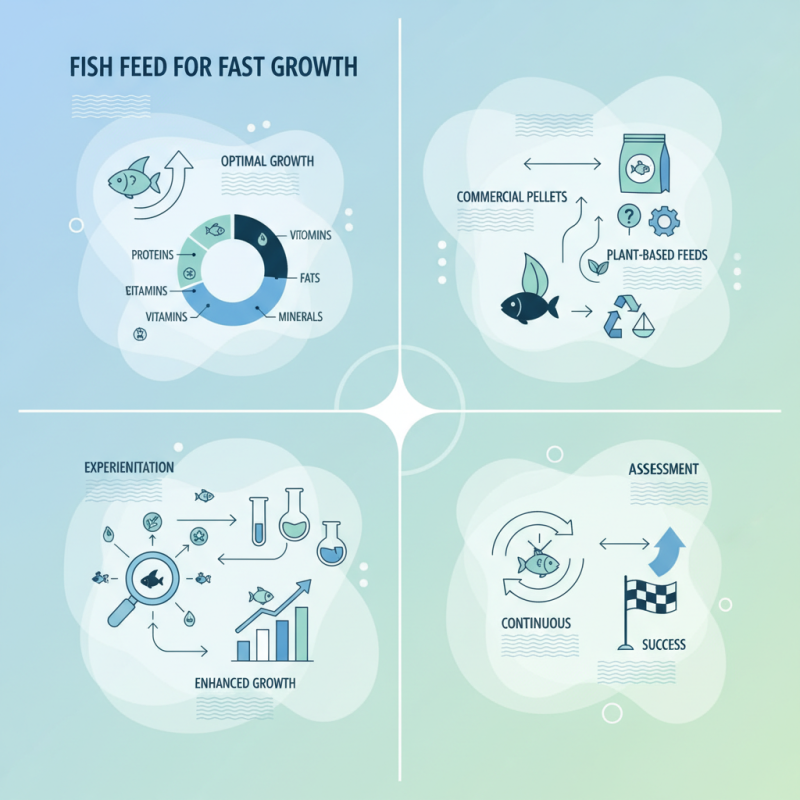
Choosing the right feed for fast fish growth is essential for any aquaculture operation. Fish require specific nutrients for optimal growth and health. But what is the best feed for fast fish growth? This question can be complex, as different species have unique dietary needs. A careful evaluation of various feeds is critical.

Quality feed contains essential proteins, fats, vitamins, and minerals. Many fish farmers rely on commercial pellets, but these vary greatly in formulation. The right feed can enhance growth rates significantly. Experimentation may be necessary to find the most effective product for specific fish types.

Understanding ingredient sources also matters. Fish meal, for example, is high in protein but may not be sustainable. Alternatives like plant-based feeds offer options. Each choice has its pros and cons, even if they promise quick growth. Therefore, continuous assessment of feed performance is crucial for the success of fish farming.
How to Choose the Best Feed for Fast Fish Growth?

Understanding the Nutritional Needs of Fast-Growing Fish Species

When selecting feed for fast-growing fish species, understanding their nutritional needs is essential. These fish require a balanced diet rich in proteins, fats, and vitamins. Protein is particularly crucial, as it supports muscle growth and overall health. Aim for a protein content of 30-45% in the feed. Fish also need essential fatty acids to enhance growth rates and improve immune functions.

Tip: Observe the fish's response to different feeds. Are they growing well? Look for signs of stress or stunted growth, which may indicate nutritional deficiencies. Adjust the feed composition based on these observations.

Carbohydrates play a secondary role but can provide energy. Many fish benefit from a variety of vitamins and minerals, as these contribute to optimal growth and longevity. Ensure the feed is digestible to minimize waste and maximize nutrient absorption. Not all fish react the same way to specific feeds, so it's important to be adaptable.

Tip: Conduct trial feeding. Alternate different feed types and monitor growth patterns. This feedback loop is invaluable. Reflect on the changes and outcomes to tailor the diet effectively.

Types of Fish Feed Available for Optimal Growth

Choosing the right feed is crucial for fast fish growth. Various types of fish feed cater to different needs. Pelleted feeds are common, offering balanced nutrition. Studies show that fish fed on high-quality pellets can experience growth rates up to 30% higher than those on lower-quality feeds.

Another option is live feed. This includes organisms like brine shrimp and rotifers. Live feed is rich in proteins and may enhance the growth rate significantly. Research indicates that fish receiving live feed often show improved health and vitality. However, sourcing live feed can be challenging and requires careful management.

Flake feeds are also available. They are convenient and easy to use but may lack the nutritional density needed for optimal growth. Some studies suggest flake feeds can be less effective, especially for species with high energy needs. Inadequate nutrition can lead to stunted growth. It's essential to balance convenience with nutritional value when making a choice.

Evaluating Ingredients in Fish Feed for Quality and Nutritional Value

When selecting fish feed, it’s vital to scrutinize the ingredients for quality and nutritional value. High-protein content plays a crucial role in promoting fish growth. According to industry reports, fish feed with over 40% protein can significantly enhance growth rates. However, it is essential to ensure that the protein source is not just any filler, but derived from high-quality sources like fish meal or soy.

The balance of essential fatty acids is another critical aspect. Reports suggest that a proper ratio of omega-3 and omega-6 fatty acids can lead to healthier fish. A diet lacking in these nutrients may stunt growth or lead to health complications. Additionally, the presence of vitamins and minerals is essential. Micronutrients support immune function and overall health, making them indispensable in high-quality feed. Yet, many feeds on the market often lack adequate amounts of these vital components.

An often overlooked factor is the digestibility of the ingredients. Feed that is poorly digestible can lead to waste and negatively affect water quality. Industry research shows that nearly 30% of feed can go unutilized due to low digestibility, impacting both growth and environmental health. A thorough evaluation of these factors can lead to more informed choices in feed selection for promoting fast and sustainable fish growth.

Feeding Regimens: Frequency and Quantity for Maximum Growth

When choosing feed for fast fish growth, it’s crucial to focus on feeding regimens that maximize their potential. Frequency and quantity play significant roles. Fish professionals often recommend feeding two to three times a day. This schedule ensures that fish receive adequate nutrition without overfeeding. Overfeeding can lead to water quality issues and fish stress.

Tips: Pay attention to the size of the feed. It should match the size of the fish. Smaller fish require finely ground feeds. Larger species can handle pellets. Ensure the feed is fresh and appropriately stored to avoid spoilage.

Consider varying the diet. Different feed types, such as high-protein pellets or freeze-dried options, can promote balanced growth. This variation can also prevent fish from becoming picky eaters. Monitoring their response to different feeds is essential.

If fish aren’t growing as expected, reflect on your feeding practices. Maybe the feeding times are too close together. Or perhaps the quantity is too little or too much. Adjusting these factors can significantly impact growth rates. Observing fish behavior during feeding can provide valuable insights.

Monitoring Fish Health and Growth: Adjusting Feed Accordingly

Monitoring fish health and growth is crucial for achieving optimal feeding strategies. Regularly observing fish behavior can provide insight into their well-being. Look for signs of stress, such as erratic swimming or unusual surface behavior. These indicators often suggest that feed types or amounts need adjustment. A healthy fish usually displays vibrant colors and active movements, signaling that the current feeding regimen is effective.

Adjusting feed based on growth metrics involves precise measurements. Use tools like growth charts to track the length and weight of your fish. If growth rates plateau, it might indicate that the nutritional balance is off. Different species and sizes of fish have varying nutrient requirements. Weekly assessments can highlight when to modify feed compositions or switch types altogether.

Balance is essential. Overfeeding can lead to health issues and water quality problems, while underfeeding may stunt growth. It's a trial-and-error process that requires patience. Keeping detailed records of feeding practices alongside health observations is vital. This documentation helps pinpoint effective strategies and areas for improvement. Flexibility in your approach will lead to better outcomes over time.

Fish Growth Rate Based on Feed Type

This chart illustrates the average growth rate of fish based on different types of feed. Utilizing a protein-rich feed results in the highest growth rate, while plant-based feed tends to produce the lowest growth rate. Adjusting feed types according to growth monitoring can enhance fish health and growth efficiency.

FAQS

: What should I consider when selecting fish feed?

: Focus on quality ingredients and nutritional value. High-protein content is crucial for promoting fish growth.

How much protein should fish feed contain?

Aim for over 40% protein to enhance fish growth rates. Ensure the source is high-quality, not just a filler.

Why are essential fatty acids important in fish feed?

Omega-3 and omega-6 provide health benefits. A lack of these may stunt growth or cause health issues.

How does digestibility affect fish feed?

Poorly digestible feed can lead to waste, harming water quality. Nearly 30% of feed can go unutilized.

How often should I feed my fish?

Feed fish two to three times a day. This routine prevents overfeeding and promotes better nutrition.

What should I do if my fish aren’t growing well?

Reflect on feeding practices. Check if the feeding times are too close or if the quantity is off.

How can I monitor fish health and growth?

Observe fish behavior for signs of stress and track growth using length and weight measurements.

What happens if I overfeed my fish?

Overfeeding can cause health problems and poor water quality. It's crucial to find a balanced feeding approach.

Should I vary the diet of my fish?

Yes, varying the diet prevents pickiness and promotes balanced growth. Monitor fish response to different feeds.

How can records help improve feeding strategies?

Keeping detailed records of feeding practices and health observations helps identify effective strategies and areas for improvement.

Conclusion

To ensure optimal growth in fast-growing fish species, it is crucial to understand their specific nutritional needs. This involves knowing the essential nutrients required for their development and health. The types of fish feed available vary widely, but the best options contain high-quality ingredients that meet these nutritional demands. Evaluating these ingredients is key in determining what is the best feed for fast fish growth.

Moreover, a well-structured feeding regimen is vital. This includes understanding the frequency and quantity of feed to provide for maximum growth. Monitoring fish health and growth regularly allows for adjustments in feeding practices, ensuring that the fish receive the right amount of nutrients. By focusing on these elements, fish farmers can effectively promote faster growth and overall well-being in their aquatic stock.

Madeline

Madeline

Madeline is a dedicated marketing professional with a wealth of expertise in our company's core offerings. With a keen understanding of the industry, she brings a unique perspective to her role, consistently delivering high-quality content that highlights the superior aspects of our products. As......