Fish farming is a booming industry, with reports indicating that global aquaculture production reached 114.5 million tons in 2021. Yet, many farmers struggle with effective feeding practices. Understanding what are common feeding mistakes in fish farming can greatly enhance yield and sustainability. Poor feeding strategies can lead to waste, disease, and financial loss.
One frequent misstep is overfeeding. Studies show that up to 40% of feed can go unused, polluting water and increasing costs. Underfeeding is also problematic. Fish fail to reach their growth potential when adequate nutrition is not provided. Choosing the wrong feed type is another concern. Specific species require tailored diets to thrive.
Additionally, improper feeding frequency can disrupt fish health. Inconsistent schedules can cause stress and impact growth rates. These errors highlight the need for education in fish farming practices. With expert guidance, fish farmers can improve their feeding techniques and optimize their operations.
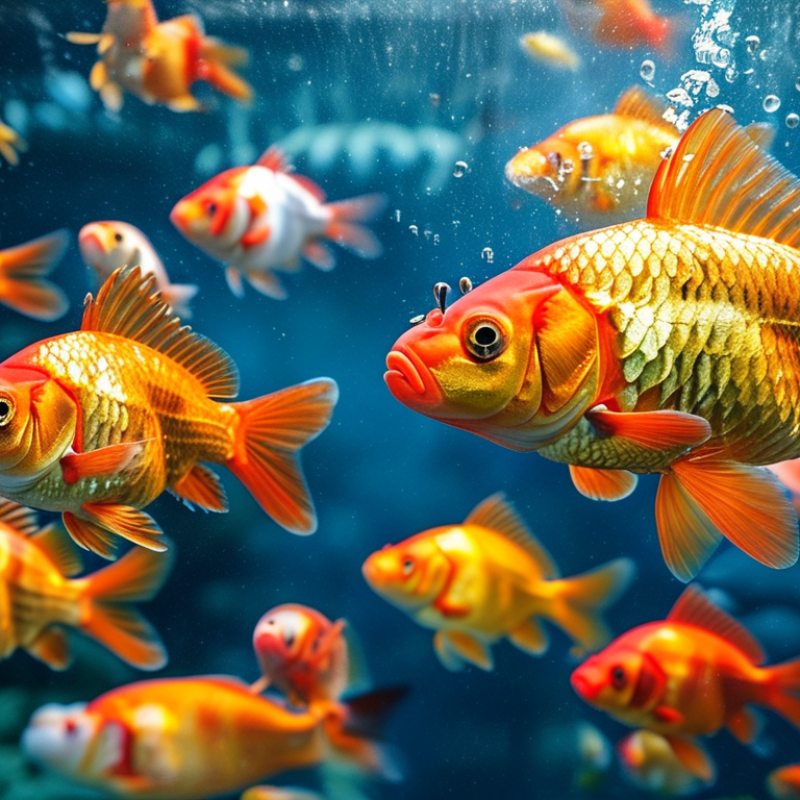
Proper fish nutrition is crucial for the success of aquaculture. A balanced diet directly influences fish growth, health, and feed efficiency. According to the Food and Agriculture Organization, global aquaculture production reached over over 114 million tons in 2020, with fish feed constituting about 50% of production costs. This significant investment highlights the importance of optimizing feeding practices.
Many fish farmers often underestimate the nutritional requirements of different species. Each species has specific needs for protein, lipids, and vitamins. For instance, carnivorous fish require higher protein levels than herbivorous species. A common mistake is providing a one-size-fits-all feed. This can lead to nutrient deficiencies or excesses, ultimately affecting fish growth rates and overall health. Research indicates that a tailored diet can increase growth efficiency by 10-20%.
Another challenge is overfeeding, which not only wastes feed but also affects water quality. Inadequate feed management can lead to the accumulation of uneaten feed in tanks. This contributes to increased ammonia levels, stressing fish and promoting disease. Monitoring feeding and adjusting according to fish behavior is vital. Both underfeeding and overfeeding are areas for reflection in aquaculture practices. By focusing on proper nutrition and careful feeding strategies, farmers can enhance the sustainability and profitability of their operations.
Feeding fish in aquaculture can be tricky. Many fish farmers struggle with common mistakes that impact growth and health. Understanding these pitfalls is essential for successful fish farming.
One frequent error is overfeeding. Farmers often think more food equals faster growth. However, excess feed can pollute water and harm fish. Monitor your fish's appetite closely. Use the right amount of feed. Observe their eating habits. If leftover feed accumulates, reduce the portion.
Another mistake is feeding inadequate or inappropriate diets. Fish require specific nutrients at various life stages. Failing to provide balanced nutrition can lead to stunted growth. Research the dietary needs of your fish species. Invest in quality feed. This ensures your fish stay healthy and thrive.
Remember, consistency in feeding times is crucial. Irregular feeding can stress fish and disrupt their growth patterns. Establish a routine and stick to it. This simplicity can prevent a range of issues.
Reflecting on your feeding practices might reveal underlying problems. Engage with experts in the field. They can provide insights that enhance your fish farming approach. Regularly review your feeding strategies. Adjusting can lead to better outcomes in your fish farming venture.
| Mistake | Description | Consequence | Prevention |
|---|---|---|---|
| Overfeeding | Providing more feed than fish can consume within a short time. | Poor water quality and increased waste. | Feed small amounts multiple times a day. |
| Inconsistent Feeding Schedule | Feeding at irregular times can stress fish. | Reduced growth rates and increased vulnerability to disease. | Establish and stick to a feeding routine. |
| Ignoring Fish Size | Feeding the same type of feed regardless of fish size. | Inefficient feed utilization and poor growth. | Select appropriate feed sizes for different growth stages. |
| Ignoring Water Quality | Focusing only on feed without monitoring water parameters. | Suboptimal growth and increased mortality rates. | Regularly test water quality and adjust accordingly. |
| Using Low-Quality Feed | Opting for the cheapest feed without considering nutritional needs. | Poor health and growth performance in fish. | Invest in high-quality feed that meets fish nutritional requirements. |
Overfeeding in fish farming can have serious consequences. Studies show that up to 40% of fish feed can go uneaten. This wasted feed decomposes, lowering water quality. Poor water conditions can lead to stress in fish, making them susceptible to diseases. The cost of overfeeding extends beyond wasted resources. It's estimated that poor feed management can reduce overall farm profitability by 20-30%.
Fish health is significantly impacted by overfeeding. Excess nutrients promote harmful algal blooms, which consume oxygen in the water. A lack of oxygen can result in conditions like hypoxia, leading to fish kills. An alarming report indicates that hypoxic zones have increased by 66% over the last 30 years. Farmers need to monitor feeding practices closely to prevent these issues.
In addition to immediate health risks, overfeeding compromises long-term sustainability. Decomposing feed contributes to greenhouse gas emissions. Furthermore, the unsustainable use of feed can strain local ecosystems. Responsible feeding practices are essential in maintaining both fish health and environmental integrity. Careful planning and monitoring can help farmers make smarter feeding choices.
In fish farming, nutritional diversity is crucial. Many farms focus on a single feed type, which can lead to deficiencies. Fish require a range of nutrients for optimal growth. A lack of variety in their diet can cause stunted growth and increased susceptibility to diseases.
Inadequate nutritional diversity can also impact reproduction. Fish that lack essential vitamins face challenges during spawning. This oversight can result in fewer offspring and lower survival rates. Farmers must recognize this relationship between nutrient variety and fish health. It's not just about feeding; it's about feeding right.
Feeding practices should include various ingredients. This encourages natural behavior and improves immune responses. Be mindful of the specific needs of different fish species. Regularly evaluate and adjust feed to ensure a balanced diet. Reflect on the feeding strategies used. Small changes can have significant impacts on the health of the entire farm.
This chart illustrates the top 5 common feeding mistakes in fish farming and their consequences. Recognizing these issues can lead to better practices and improved fish health.
Feeding strategies in fish farming are crucial for optimal growth and health. To implement effective feeding, start by assessing the specific nutritional needs of your fish species. Each species has unique dietary requirements. Therefore, knowing these can prevent overfeeding or underfeeding.
Regular monitoring of feeding habits is essential. Observe how much your fish consume during feeding sessions. Too much uneaten feed can degrade water quality. Adjust feed amounts based on consumption patterns to maintain a balanced environment. Fish farming is not just about providing food; it’s about precision.
Consider the timing of feedings. Fish are most active at certain times of the day. Align feeding schedules with these periods to enhance nutrient absorption. This practice can lead to better growth rates. Avoid common pitfalls, like varying feed types too frequently, which can confuse fish. Consistency in diet promotes stability. Reflect on these strategies, and be open to adjusting methods for better results.
: Proper fish nutrition directly influences fish growth, health, and feed efficiency. It’s vital for success.
Each fish species has unique nutritional needs. A one-size-fits-all approach can cause nutrient deficiencies or excesses.
Overfeeding wastes feed and pollutes water, increasing ammonia levels. This stresses fish and can lead to disease.
Farmers should closely observe fish appetite and adjust feed amounts as necessary. Too much leftover feed is a warning sign.
Irregular feeding can stress fish and disrupt their growth. Establishing a routine helps maintain stability and health.
Regularly review and adjust feeding practices. Engaging with experts can provide valuable insights for improvement.
Inadequate diets may lead to stunted growth. Research is needed to understand each fish species' dietary needs.
Fish are most active at specific times. Align feeding schedules with these periods for better nutrient absorption.
Varying feed types too frequently can confuse fish. Consistency in diet promotes better health and growth.
Reflecting may reveal underlying issues in feeding strategies. Adjustments based on this can lead to improved outcomes.
In aquaculture, understanding the importance of proper fish nutrition is vital for ensuring the health and sustainability of fish populations. One key aspect that fish farmers must consider is what are common feeding mistakes in fish farming. These mistakes include overfeeding, which can lead to health issues in fish and negatively impact the farm's sustainability. Additionally, inadequate nutritional diversity can result in poor growth rates and increased susceptibility to diseases.
To prevent these issues, fish farmers should implement effective feeding strategies that prioritize balanced diets and appropriate feeding frequencies. By recognizing the consequences of these common mistakes and adopting better practices, fish farmers can enhance the overall well-being of their stock and promote a more sustainable aquaculture industry.

Pawlix Pet