When it comes to maintaining a healthy fish population, nutrition plays a crucial role. One common question among fish keepers is, "how much feed should I give fish per day?" The right amount of feed can determine growth rates and overall health. Overfeeding can lead to water quality issues, while underfeeding can stunt growth. Therefore, finding the balance is essential.
Fish species vary in their dietary needs. For instance, carnivorous fish often require more proteins compared to herbivorous counterparts. It is vital to consider the type of fish you are raising. Many aquarists overlook specific dietary requirements, leading to poor growth or health issues. Monitoring your fish’s behavior can provide clues on feeding adequacy. They may leave food uneaten or appear more aggressive when hungry.
Ultimately, experimenting with feeding amounts is part of the process. Observing growth patterns will help refine your approach. It’s not an exact science but rather a blend of trial and error. Being attentive to your fish's response to feed is critical. With time and observation, you will find the optimal feeding routine that meets your fish's needs effectively.
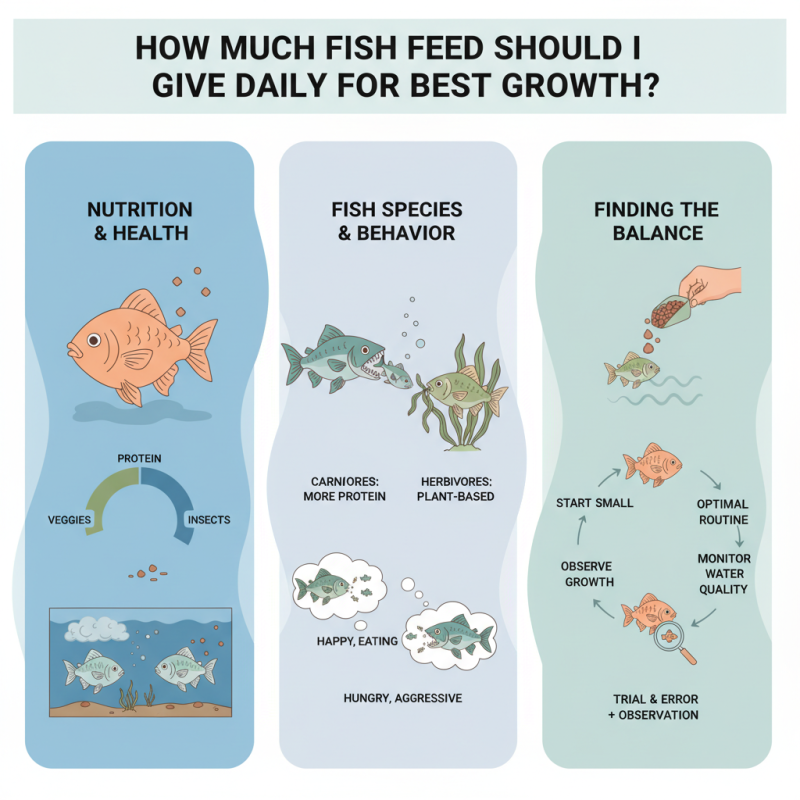
Feeding fish the right amount is crucial for their growth and health. Daily feed requirements can vary significantly based on species, size, and the environment. Research indicates that juvenile fish typically require 5-10% of their body weight in feed per day, while adults usually need 1-3%. Providing the correct amount ensures they receive essential nutrients for optimal growth.
When determining feed quantity, consider the fish's activity level and water temperature. Warmer water generally increases metabolic rates, leading to higher feed requirements. Nutritional composition of the feed is equally important. A well-balanced diet will promote growth and improve disease resistance. Experts suggest that feed should contain approximately 30-40% protein for optimal growth in most fish species.
Tips: Monitor fish behavior after feeding. If they leave food uneaten, reduce the amount. Regularly observe their growth rates. Adjust feeding quantities accordingly. Remember, overfeeding can lead to poor water quality and health issues. Data from aquatic studies show that excessive feeding can increase ammonia levels significantly, harming your fish. Aim for a balance to foster a healthy aquatic environment.
Feeding fish is crucial for their growth and health. However, several factors play a significant role in determining the optimal feeding rates. Understanding these factors is essential for aquaculture success.
Water temperature is one critical element influencing fish feeding behavior. Fish are ectothermic animals. Their metabolic rates increase in warmer temperatures. As a result, they often require more food. Yet, overfeeding can lead to waste and poor water quality. It's important to balance temperature and feeding rates effectively.
Fish species also matter. Different species have unique nutritional needs and growth rates. For example, carnivorous fish usually require more protein compared to herbivores. Age and size are additional considerations. Young fish typically need smaller portions and more frequent feedings. Monitoring fish behavior is vital. If fish consistently ignore food, it may indicate overfeeding. Adjusting the feeding strategy based on these observations can improve growth outcomes.
| Fish Type | Average Weight (grams) | Daily Feed Rate (%) | Daily Feed Amount (grams) | Growth Rate (grams/day) |
|---|---|---|---|---|
| Tilapia | 500 | 3% | 15 | 2.5 |
| Catfish | 600 | 4% | 24 | 3.5 |
| Salmon | 800 | 2.5% | 20 | 4 |
| Trout | 400 | 3.5% | 14 | 2 |
| Goldfish | 150 | 5% | 7.5 | 1 |
Choosing the right fish feed is crucial for optimal growth and health. Different types of fish feed offer varying nutritional values. For example, high-protein feeds often contain fish meal, which is rich in essential amino acids. These amino acids play a significant role in muscle development and overall growth. According to a study published in the "Journal of Aquaculture Research," fish that consume a protein-rich diet can experience growth rates increase by up to 30%.
Vegetable-based feeds are another option, often incorporating ingredients like soybean meal. They are a valuable alternative, providing essential fats and carbohydrates. However, they may lack certain amino acids found in fish meal. A report by the "Aquaculture Nutrition Consortium" highlights that a balanced diet, including both protein and carbohydrates, can lead to more sustained growth.
It's important to monitor how much feed to give each day. Overfeeding can lead to health problems or water quality issues, while underfeeding can stunt growth. The common recommendation is to feed fish 1-2% of their body weight daily. This varies with water temperature and fish species. Adjusting feed amounts can be a learning process, requiring observation and tweaking based on fish behavior and health. Understanding these dynamics is key to successful fish farming.
Calculating the right amount of fish feed is essential for optimal growth. One common method is to feed a percentage of the fish's body weight. A general rule of thumb is to provide 1-2% of their body weight in feed daily. This percentage may vary based on the type of fish, their size, and water temperature. Warmer water often increases metabolism, requiring more feed.
Another method involves using feed conversion ratios. This takes into account how much feed is needed for specific weight gain. For instance, if fish require 1 pound of feed for every 2 pounds of growth, monitoring and adjusting feed is crucial. Experience indicates that observing fish behavior can help in adjusting amounts too. If fish seem lethargic, it may indicate underfeeding. Conversely, excessive waste may mean overfeeding.
Regularly weighing fish allows for more accurate feed calculations. However, some might find this method impractical over time. Adjustments should be made based on growth rates and health. Ultimately, every fish owner must refine their feeding approach, balancing growth, health, and resource efficiency. Embracing observation and flexibility is key in this process.
Monitoring growth in fish is crucial for optimizing feed practices. Regular observation can reveal how well fish are responding to their diet. In a study by the Aquaculture Research Journal, it was found that adjusting feed rates based on growth measurements increased weight gain by 15%. This suggests that fish may not always eat the amount we predict.
Fish require a balanced diet for optimal growth. A report from the World Aquaculture Society indicates that fish growth happens fastest when feed is adjusted every two weeks based on size and health. This means keeping track of fish weight and adjusting feed accordingly can prevent overfeeding. Overfeeding can lead to health issues and poorer water quality.
Observing growth patterns can also highlight areas needing improvement. If growth slows, consider changing feed types or quantities. Regular assessment helps in making informed decisions. Use tools like weight scales or feeding charts to gather data. Monitoring is an ongoing process that requires vigilance and adaptability to achieve the best results.
: Water temperature, fish species, age, and size influence feeding rates significantly.
Warmer water increases fish metabolism, often leading to higher food requirements.
Generally, feed 1-2% of the fish's body weight daily for optimal results.
They show how much feed is needed for specific weight gains, helping to monitor feed efficiency.
Fish behavior is key; lethargy may indicate underfeeding, while excessive waste suggests overfeeding.
Adjust feed every two weeks based on fish size and health for optimal growth.
Weight scales and feeding charts are effective for gathering growth data.
Tracking growth helps optimize diets and prevents issues like overfeeding, which harms water quality.
Yes, studies show that tailored feed adjustments can enhance weight gain by 15%.
Some methods for calculating feed may feel impractical over time, requiring ongoing refinement and flexibility.
When determining how much feed should I give fish per day, it's essential to consider several factors that influence feeding rates, including the species of fish, their age, and water temperature. Daily fish feed requirements vary for optimal growth, with different species having unique nutritional needs. By understanding the types of fish feed available and their corresponding nutritional values, fish owners can better meet the dietary needs of their aquatic pets.
Calculating the daily feed amount can involve various methods, such as monitoring growth and adjusting feeding practices accordingly. Keeping track of fish health and growth rates will help fine-tune feeding practices over time, ensuring the fish receive the right amount of feed daily for optimal health and growth. Regular adjustments based on observations can lead to a thriving aquaculture environment.
Pawlix Pet