How to Identify the Main Ingredients in Fish Feed?

Time:2026-04-29 Author:Sienna
0%

Fish feed is a critical factor in aquaculture, influencing fish growth and health. To ensure optimal development, it is essential to know what are the main ingredients in fish feed. According to a report by the Food and Agriculture Organization (FAO), global aquaculture production reached 114.5 million tonnes in 2021. The composition of fish feed can significantly affect not only fish yield but also the sustainability of the aquaculture industry.

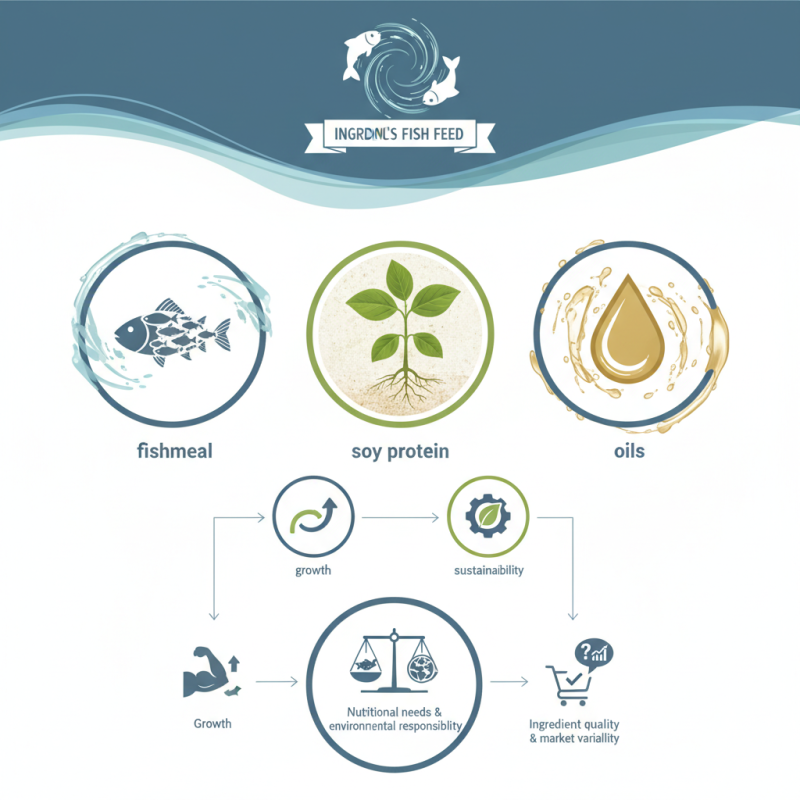
The main ingredients often include fishmeal, soy protein, and oils. Fishmeal is rich in essential amino acids, contributing to better growth rates. However, reliance on fishmeal raises concerns about overfishing. Soy protein serves as a sustainable alternative but may not provide all essential nutrients. A study published in the journal Aquaculture Research highlights the variability in ingredient quality, questioning the uniformity of feed products available in the market.

Understanding what are the main ingredients in fish feed is essential for both farmers and consumers. The quality of these ingredients impacts fish health and, consequently, the economic viability of aquaculture. As the industry evolves, there is a growing need to address these challenges and innovate sustainable solutions that balance nutritional needs and environmental responsibility.
How to Identify the Main Ingredients in Fish Feed?

Understanding the Importance of Fish Feed in Aquaculture

In aquaculture, the importance of fish feed cannot be overstated. It serves as the primary source of nutrition for fish, impacting their growth, health, and overall yield. Quality feed ensures that fish receive essential nutrients, including proteins, fats, vitamins, and minerals. For fish to thrive, the right balance in their diet is crucial.

Without proper formulation, fish can suffer from deficiencies. This can lead to stunted growth or increased susceptibility to disease. Testing different feed formulations can yield varying results, highlighting that not all ingredients are equally effective. Regular analysis of fish growth rates can help identify what works best.

Moreover, the sustainability of fish feed is increasingly significant. Ensuring that feed ingredients do not deplete natural resources is a challenge. Alternative protein sources, such as insects or plant-based materials, are gaining attention. However, more research is necessary to determine their long-term efficacy. The quest for optimal fish feed ingredients is ongoing. It requires continuous reflection and adaptation.

Key Components of Nutritional Value in Fish Feed

When assessing the nutritional value of fish feed, understanding its key components is crucial. Protein is the backbone of fish diets. High-quality protein supports growth and repair of tissues. Fish meal and plant proteins often serve as primary sources. However, not all proteins are equivalent in bioavailability. It's essential to choose sources that maximize nutrient absorption.

Fats are another critical element. They provide energy and aid in the absorption of fat-soluble vitamins. Omega-3 and Omega-6 fatty acids are vital for fish health. Still, excessive fat can be detrimental, leading to obesity and related issues. Finding the right balance is often a challenge for aquaculture.

Vitamins and minerals round out the nutritional profile. Essential vitamins support metabolic processes and immune function. Likewise, minerals like calcium and phosphorus are necessary for growth and skeletal development. The variability in these components can impact fish overall health significantly. Continuous evaluation and refinement of feed formulations are necessary to optimize these nutrients effectively.

Identifying Protein Sources in Fish Feed Formulations

Identifying protein sources in fish feed formulations is crucial for optimal growth and health. Fish require a balanced diet to thrive. Proteins are essential for muscle development and overall metabolism. Common protein sources include fish meal, soybean meal, and various by-products. Analyzing these ingredients can uncover their nutritional contributions.

Fish meal is often favored due to its high digestibility and rich amino acid profile. Its inclusion can significantly boost protein content. However, sourcing quality fish meal can be problematic. Sustainability is a concern, as overfishing can threaten supply. This raises questions about long-term viability.

Soybean meal is another popular alternative. It is plant-based and helps reduce dependency on marine resources. While it provides a good protein level, it lacks some essential amino acids. Additional supplementation might be necessary. Monitoring these aspects is key to ensuring a balanced diet for fish. Attention to sourcing and nutrient quality is essential for successful aquaculture.

Analyzing Fat Content and Its Role in Fish Health

Fat content in fish feed plays a crucial role in promoting fish health. Fats are vital energy sources for fish and facilitate the absorption of essential vitamins. However, not all fats are created equal. Omega-3 and Omega-6 fatty acids are particularly beneficial. These fats help with growth, reproduction, and immune function. A balanced fat content can enhance overall aquatic health.

Analyzing the fat content in fish feed requires careful scrutiny. Fish nutrition experts recommend using laboratory analysis methods. These methods can accurately measure both total fat and specific fatty acids. High-quality fish feed typically contains 10% to 20% fat content, but this can vary based on species. It's crucial to consider the origin of the fats. Animal-based fats may offer higher levels of Omega-3.

Overly high-fat diets can lead to health issues in fish. Obesity and poor water quality can result from excess fat. Regular monitoring and adjustments to the feed are necessary. Fish farmers may need to reassess their feeding practices periodically. Balancing the fat content could require trial and error. This ongoing evaluation promotes healthier and more sustainable fish populations.

How to Identify the Main Ingredients in Fish Feed? - Analyzing Fat Content and Its Role in Fish Health

Ingredient Fat Content (%) Protein Content (%) Importance for Fish Health
Fish Meal 10 60 Provides essential amino acids and fatty acids.
Soybean Meal 1.5 44 Source of protein, though lower in digestibility.
Corn Gluten Meal 2.5 60 High in protein, good for energy but lacks amino acids.
Canola Oil 100 0 High energy source; beneficial for fatty acid balance.
Wheat Flour 2 14 Used as a binder and source of carbohydrates.

Assessing Additives and Supplements in Fish Feed Products

When evaluating fish feed products, understanding the role of additives and supplements is crucial. These ingredients can enhance growth, immune response, and overall health of aquatic species. Common additives include vitamins, minerals, and amino acids. Each plays a specific role in supporting fish nutrition.

Buyers should carefully assess the ingredient list. Look for specific nutrients rather than vague terms like "nutrient blend." This can indicate the quality and efficacy of the feed. Also, consider the levels of each nutrient to ensure they meet the specific needs of your fish. Some feeds may have high levels of fillers with minimal nutritional value.

Tips: Always prioritize feeds with clear labeling. Transparency can indicate a reputable manufacturer. Engage with experts or aquaculture specialists in your area for insights. Keeping notes on fish growth can guide future feed choices, helping you adapt based on what works best.

FAQS

: What is the primary purpose of fish feed in aquaculture?

: Fish feed provides essential nutrition for fish, affecting their growth, health, and overall yield.

Why is the balance in fish diet important?

A balanced diet prevents deficiencies that can lead to stunted growth or disease susceptibility.

How can farmers evaluate fish feed effectiveness?

Regular analysis of fish growth rates helps identify effective feed formulations.

What are the challenges with sustainable fish feed?

Ensuring feed ingredients do not deplete natural resources is a significant challenge.

Why are fats important in fish feed?

Fats are vital for energy and aid in the absorption of essential vitamins in fish.

What types of fats are most beneficial for fish?

Omega-3 and Omega-6 fatty acids are particularly important for growth and immune function.

How can high fat content in fish feed be problematic?

Excess fat can lead to obesity and poor water quality, affecting fish health.

What should buyers look for in fish feed products?

Assess the ingredient list for specific nutrients instead of vague terms to ensure quality.

How can additives enhance fish health?

Additives, such as vitamins and minerals, support growth and immune response in fish.

How should fish farmers approach feed adjustments?

Regular monitoring and periodic reassessment of feeding practices are essential for sustainable fish populations.

Conclusion

Understanding the key components of fish feed is essential for successful aquaculture. Fish feed plays a crucial role in promoting growth, health, and overall well-being of aquaculture species. The main ingredients in fish feed typically include protein sources, fats, and various additives that enhance nutritional value. Identifying these components helps in formulating a balanced diet tailored to the specific nutritional needs of different fish species.

In evaluating fish feed, it is important to analyze the protein sources, such as fish meal, plant-based options, and their quality, as these are vital for muscle development. Additionally, assessing the fat content is critical, as it contributes to energy levels and a healthy immune system. Finally, various additives and supplements can further improve the feed's effectiveness. Thus, understanding what are the main ingredients in fish feed allows aquaculturists to optimize feeding strategies and promote sustainable fish farming practices.

Sienna

Sienna

Sienna is a skilled marketing professional with a deep expertise in our company’s core products and services. With a passion for innovation and detail, she plays a pivotal role in crafting insightful blog posts that not only highlight the unique features of our offerings but also provide valuable......