10 Tips to Prevent Disease Through Aquaculture Nutrition

Time:2026-10-07 Author:Sophia
0%

Disease prevention in aquaculture begins long before visible lesions, mortality, or emergency treatment. It begins with what enters the feeding tray. The FAO’s The State of World Fisheries and Aquaculture 2024 reported 185.4 million tonnes of aquatic animals produced globally in 2022. Aquaculture supplied 94.4 million tonnes, making feed quality and nutritional management central to food security and farm resilience.

So, how to prevent disease through aquaculture nutrition? The answer involves more than increasing protein. Balanced amino acids, digestible energy, essential fatty acids, vitamins, minerals, and functional ingredients support immune readiness. Feed must also match species, size, temperature, and production stage. Dr. Kevin Fitzsimmons, an internationally recognized aquaculture specialist, has emphasized, “Good nutrition, good water quality, and good management are the keys to successful aquaculture.” His point is practical. A strong diet cannot rescue poorly oxygenated water or careless biosecurity.

This guide introduces ten evidence-informed actions. They include checking raw-material traceability, preventing rancid fats, managing feeding rates, and monitoring appetite changes. Clean storage matters. A damp feed bag can become a hidden risk. The WOAH Aquatic Animal Health Code also stresses surveillance, risk reduction, and responsible farm management, reinforcing the need for prevention rather than reaction. Still, nutrition is not a magic shield. Some recommendations remain species-specific, and field results can vary. That uncertainty deserves attention. Farms should verify feed performance through growth records, health observations, laboratory testing, and consistent documentation. Small feeding decisions can shape disease resistance across an entire production cycle.
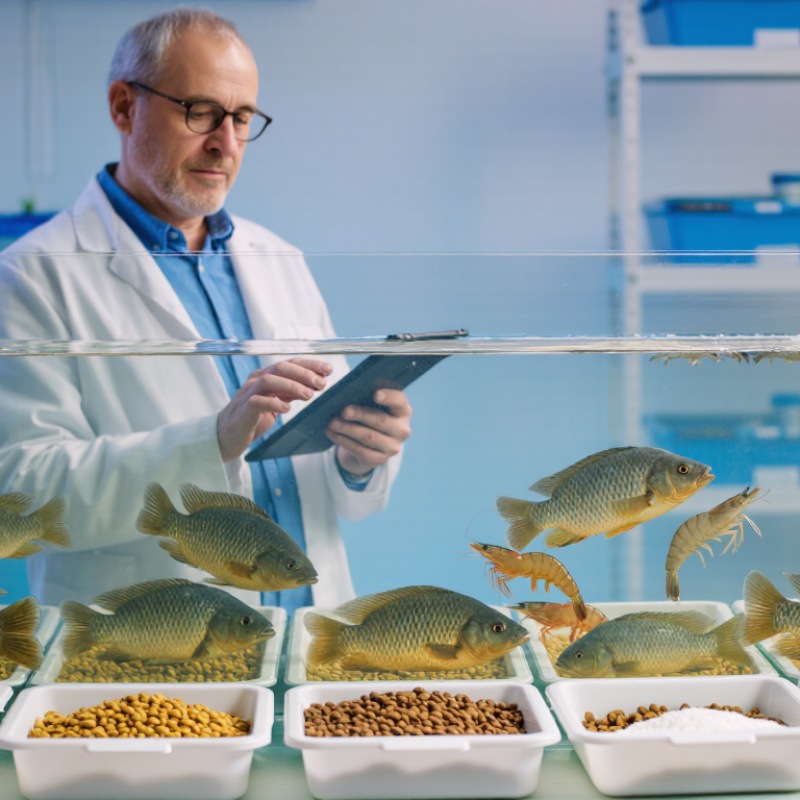
10 Tips to Prevent Disease Through Aquaculture Nutrition

Understanding the Role of Nutrition in Aquaculture Disease Prevention

Nutrition does more than support growth; it shapes an aquatic animal’s ability to resist infection. Fish and shrimp need balanced protein, digestible energy, essential fatty acids, vitamins, and minerals. Deficiencies can weaken skin, gut barriers, and immune responses. Excess feed creates another risk. Uneaten pellets settle, raise organic waste, and encourage harmful microbial shifts. A clean feeding tray often reveals more than a spreadsheet. It shows appetite, leftovers, and early stress.

Disease prevention begins with evidence-based formulation and careful observation. Feed should match species, life stage, water temperature, and culture density. For example, young shrimp may require highly digestible ingredients during stressful transfers. Stable vitamin and mineral levels can support recovery, but they cannot replace quarantine or water management. Store feed in a cool, dry place, and reject bags with moisture, mold, or rancid odors. Record daily intake beside mortality, dissolved oxygen, and temperature. Patterns become clearer over time. Still, nutrition trials can mislead when stocking density changes at the same time.

Practical improvement often comes from small adjustments. Reduce feeding when oxygen drops, then reassess appetite after aeration stabilizes conditions. Avoid sudden ingredient changes, because gut disruption may follow. Work with aquatic health professionals when unexplained losses continue, and confirm suspected pathogens through appropriate laboratory testing. Not every poor appetite is a nutritional problem. Visual judgment alone is imperfect; fish can appear active while carrying hidden stress. A disciplined feeding log, independent testing, and honest review of failed decisions make nutrition a more reliable part of disease prevention.

Assessing Species Needs and Water Conditions Before Feeding

Before opening a feed bag, assess the animal and its water. The FAO’s State of World Fisheries and Aquaculture 2024 reported 130.9 million tonnes of aquaculture production in 2022. Aquatic animals represented 94.4 million tonnes, supplying 51% of aquatic animals consumed by people. These figures show why feeding decisions require more than a standard ration chart.

Identify the species, life stage, biomass, health history, and recent growth rate. Check temperature, dissolved oxygen, pH, salinity, alkalinity, turbidity, ammonia, and nitrite. Use calibrated meters. Test before sunrise, when oxygen may be lowest. The toxic unionized form of ammonia increases with higher pH and temperature. Never apply one “safe” limit to every species. Water chemistry changes the risk.

Match pellet size and protein density to the animal’s development. Offer a small test portion, then watch feeding trays, swimming behavior, and uneaten particles. Reduce the next ration when feed remains after ten minutes. Pause feeding during oxygen crashes, sudden temperature changes, or visible disease signs. Keep separate records for weather, water readings, mortality, appetite, and feed use. FAO technical guidance emphasizes site assessment, monitoring, and documentation in responsible aquaculture. A practical weakness remains: even experienced teams can overfeed after a storm. Review the records, not assumptions, before feeding again.

Water Conditions to Check Before Feeding

Feeding should match the species’ environmental requirements. These typical temperature ranges support normal metabolism and feed utilization: tilapia generally perform well at warmer temperatures, rainbow trout require cooler water, and Pacific white shrimp prefer warm, stable water. Before feeding, also verify adequate dissolved oxygen and a suitable pH, because poor water quality can reduce appetite, increase stress, and raise disease risk.

Formulating Balanced Feeds with Essential Nutrients

Disease prevention in aquaculture begins with a balanced feed, not a last-minute treatment. FAO’s 2024 State of World Fisheries and Aquaculture reported 94.4 million tonnes of farmed aquatic animals in 2022. That scale raises nutritional pressure. Feed must supply digestible protein, essential amino acids, suitable lipids, vitamins, and minerals. Too much protein can increase waste. Too little can weaken growth and immunity.

Measure the details.

A practical formulation matches nutrition to species, age, temperature, and feeding behavior. Vitamin C and vitamin E support antioxidant protection, while zinc, selenium, calcium, and phosphorus help maintain tissue and skeletal health. Marine fatty acids can support cell membranes and stress response. However, excessive phosphorus may worsen pond loading. A feed label alone cannot reveal digestibility, freshness, or storage damage.

Global feed surveys estimated aquafeed production at about 52.9 million metric tonnes in 2023. This figure shows the sector’s scale, but volume does not equal quality.

On farms, observe uneaten pellets, slow feeding, pale organs, and uneven size. These signs may indicate poor formulation, disease, or water stress.

The diagnosis is not always obvious. Regular nutrient analysis and careful feeding records can reduce guesswork. I have found that even a well-designed ration fails when pellets break apart before fish consume them. Feed stability, clean storage, and gradual formula changes deserve equal attention. (FAO, The State of World Fisheries and Aquaculture 2024; Global Feed Survey 2024)

Managing Feeding Practices to Reduce Stress and Infection Risks

10 Tips to Prevent Disease Through Aquaculture Nutrition

Managing feeding practices can reduce stress and infection risks in aquaculture systems. Fish need consistent meals, not excessive portions. I watch feeding behavior before adjusting the ration. Slow movement, surface gasping, or sudden refusal may signal poor water quality or illness.

Temperature changes also affect appetite and digestion. During cold periods, I reduce feeding rather than leaving pellets to decay. Uneaten feed can foul the water and weaken fish through chronic stress. Small portions work better when oxygen levels are unstable. Feeding trays help me measure leftovers and identify unusual changes. Clean, dry storage protects feed from moisture, mold, and nutrient loss. I check storage containers every day.

Balanced nutrition supports skin, mucus, and immune function. However, extra supplements cannot correct overcrowding, poor water exchange, or contaminated equipment. Feed should match the species, life stage, and production conditions. A qualified aquatic health professional can help review deficiencies and disease signs. Records matter. I note feeding time, water temperature, oxygen, appetite, and mortality.

I still get this wrong sometimes. A sudden ration increase can create problems within hours. When fish recover slowly, I review the entire routine instead of blaming the feed alone. Careful observation, clean handling, and gradual changes create fewer opportunities for stress and infection.

Monitoring Fish Health and Adjusting Nutrition Programs Regularly

Disease prevention in aquaculture begins with observing fish before changing feed. The FAO’s 2024 State of World Fisheries and Aquaculture reported 94.4 million tonnes of farmed aquatic animals in 2022. This scale makes routine health monitoring essential, not optional. Check feeding activity, swimming patterns, feces, skin condition, and daily mortality. Record water temperature, dissolved oxygen, pH, and ammonia beside each feeding record. Small changes often appear before visible disease.

Feed decisions should follow evidence from the pond or tank. Reduce feeding when oxygen falls, water temperature shifts sharply, or fish stop responding within several minutes. Increase portions cautiously after sampling body weight and checking feed conversion trends. Avoid correcting poor growth with feed alone. Crowding, parasites, unstable water, or poor biosecurity may be responsible. The World Organisation for Animal Health recommends surveillance and early reporting within aquatic animal health programs. Nutrition supports resilience, but it cannot replace diagnosis.

Review the program weekly. Compare appetite, growth, mortality, and uneaten feed across cages or ponds. Keep samples when results look unusual. Recheck the laboratory method too. Errors happen. A useful ration on paper may fail during cloudy weather or spawning. One practical weakness is relying on yesterday’s feeding chart. Fish conditions change faster than spreadsheets. Adjust gradually, document the reason, and involve a qualified aquatic animal health professional when disease is suspected.

10 Tips to Prevent Disease Through Aquaculture Nutrition - Monitoring Fish Health and Adjusting Nutrition Programs Regularly

Tip Key Monitoring Dimension Practical Benchmark or Data Point Recommended Action Suggested Frequency Disease-Prevention Value
1. Match feed intake to biomass Daily feed intake, biomass, appetite and uneaten pellets Use a species- and temperature-specific feeding table; adjust for observed appetite rather than applying a fixed percentage of biomass. Reduce the next ration when uneaten feed, slow feeding or abnormal behavior is observed. Recalculate biomass after sampling or grading. At every feeding; review weekly Limits organic waste, ammonia production and stress caused by overfeeding.
2. Protect water quality through feeding control Dissolved oxygen, temperature, pH and turbidity A commonly used general benchmark is dissolved oxygen above 5 mg/L for many warm-water systems; cold-water species may require higher levels. Pause or reduce feeding during oxygen depletion, sudden temperature change, heavy algal die-off or severe turbidity. Restore water quality before returning to the normal ration. At least morning and afternoon; continuously where possible Reduces hypoxia-related immunosuppression and poor feed utilization.
3. Maintain balanced protein and energy Protein-to-energy balance, growth rate and feed conversion ratio The appropriate protein level varies by species and life stage; juvenile fish generally require more dietary protein than market-size fish. Review the formulation when growth declines, fish become excessively fatty, or feed conversion worsens. Use digestible nutrients rather than crude values alone. Growth check every 2–4 weeks Supports tissue repair, immune function and consistent growth without excessive nutrient discharge.
4. Supply essential vitamins and minerals Fin condition, deformities, skin integrity, hemorrhaging and laboratory feed analysis Vitamin and mineral requirements differ by species, size, water chemistry and feed processing; deficiency symptoms are not always disease-specific. Use a complete feed designed for the target species and life stage. Investigate persistent signs with a fish health professional and feed-quality testing. Review at each feed purchase; test when symptoms occur Helps prevent nutritional disorders that can increase susceptibility to infectious agents.
5. Use appropriate pellet size and physical quality Pellet diameter, water stability, fines and feeding response Pellets should be small enough for efficient capture and large enough to provide the intended nutrient intake; excessive fines indicate handling or manufacturing loss. Select pellet size according to mouth size and life stage. Remove excessive fines and adjust feeding equipment when waste increases. Inspect each delivery; observe each feeding Improves intake uniformity and reduces uneaten particles that can degrade water quality.
6. Monitor feed conversion and growth trends Specific growth rate, feed conversion ratio and size variation Calculate FCR as feed offered divided by biomass gain; compare results with the farm’s historical performance under similar conditions. Investigate a sustained deterioration in FCR rather than increasing feed automatically. Check water quality, disease signs, feed freshness and biomass estimates. Calculate weekly; analyze monthly Early detection of subclinical disease, poor digestibility or environmental stress.
7. Store feed correctly Temperature, humidity, storage duration, odor and visible mold Keep feed cool, dry, clean and protected from pests; use stock rotation so older feed is consumed first. Store bags off the floor and away from walls. Discard feed with mold, rancid odor, insect infestation or significant moisture damage. Check daily; document every batch Reduces nutrient oxidation, fungal contamination and possible mycotoxin exposure.
8. Adjust nutrition during temperature changes Water temperature, appetite and metabolic activity Feed intake and digestion are temperature-dependent and differ among species; feeding tables should be treated as starting points, not fixed prescriptions. Reduce feeding during temperature extremes or rapid changes, and return gradually to normal as appetite and water quality stabilize. Monitor continuously; revise ration daily when conditions change Prevents digestive overload, feed waste and stress during periods of reduced metabolism.
9. Track fish health indicators alongside nutrition Mortality, swimming behavior, external lesions, body condition and gill appearance A sudden change in appetite or mortality is a warning signal, even when water-quality readings appear normal. Record daily observations by tank or pond. Isolate affected groups where appropriate and seek diagnostic testing before changing feed additives or medication. Daily observation; formal health review weekly Links feed response with early disease detection and prevents delayed intervention.
10. Review and update the nutrition program Feed performance, health records, water quality and seasonal conditions A nutrition plan should change with species, life stage, biomass, temperature, production system and health status. Hold a documented review at least monthly and after any major mortality event, feed change, grading operation or environmental disturbance. Monthly and event-based Creates a continuous feedback loop for reducing nutritional stress and improving farm biosecurity outcomes.

Note: Benchmarks are general planning references. Final feeding rates, nutrient specifications and water-quality limits should be adjusted for the cultured species, life stage, production system and local regulations.

FAQS

Why does nutrition matter for disease prevention in aquaculture?

Balanced feed supports skin, gut barriers, and immune responses. Deficiencies can increase vulnerability to infection.

Which nutrients should a balanced aquatic feed contain?

Feed should provide digestible protein, essential amino acids, suitable fats, vitamins, and minerals. Amounts must match species and life stage.

Can excessive feeding increase disease risk?

Yes. Uneaten pellets settle, increase organic waste, and encourage harmful microbial changes. Less feed may be safer.

What can a feeding tray reveal?

It shows appetite, leftovers, and early stress. A clean tray is useful evidence, though not perfect.

How should feeding change when oxygen levels fall?

Reduce feeding temporarily. Stabilize aeration first, then reassess appetite. Feeding too much during low oxygen worsens waste.

How can farmers monitor nutrition and health together?

Record daily intake, mortality, temperature, dissolved oxygen, pH, and ammonia. Review patterns across ponds or tanks weekly.

What signs may indicate a feed or health problem?

Slow feeding, broken pellets, uneven size, abnormal feces, pale organs, or rising mortality deserve investigation. The cause may not be nutritional.

How should stored feed be checked before use?

Keep it cool and dry. Reject bags with moisture, mold, damaged pellets, or rancid odors. Storage mistakes are easy to miss.

Can changing feed quickly harm aquatic animals?

It can. Sudden ingredient changes may disturb digestion and reduce feeding. Introduce formula changes gradually.

What should happen when unexplained losses continue?

Review water quality, crowding, feeding records, and biosecurity. Use suitable laboratory testing and seek qualified aquatic health advice. Visual judgment alone can mislead.

Conclusion

This article explains how to prevent disease through aquaculture nutrition by treating feeding as a central part of fish health management. It begins with the connection between proper nutrition, immunity, growth, and resistance to common infections. Before selecting a feed, farmers should consider the species’ nutritional requirements, life stage, stocking density, water temperature, oxygen levels, and overall water quality. These factors help determine suitable feeding amounts and nutrient ratios.

The article also highlights the importance of formulating balanced feeds that provide adequate protein, energy, essential fats, vitamins, and minerals without creating excessive waste. Careful feeding practices, including proper timing, portion control, and removal of uneaten feed, can reduce stress and protect water quality. Finally, regular observation of appetite, growth, behavior, body condition, and water conditions allows farmers to adjust nutrition programs promptly and support healthier, more resilient aquatic animals.

Sophia

Sophia

Sophia is a dedicated marketing professional with an exceptional depth of knowledge about her company's products and services. With a keen understanding of market trends and customer needs, she crafts insightful blog posts that not only inform but also engage readers, enriching the company’s online......