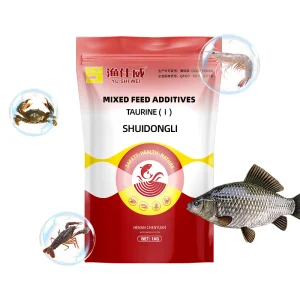
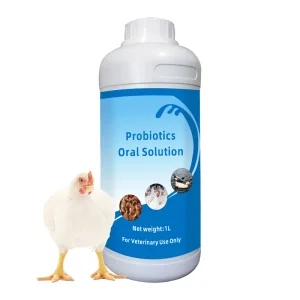
As the global demand for sustainable protein surges, the intersection of aquaculture and hydroponics—known as Aquaponics—has emerged as a mission-critical technology. At Hangzhou Pawlix, we treat Aquaponics not just as a farming method, but as a precision industrial engineering challenge.
Modern aquaponics systems have moved beyond backyard DIY projects. We are currently witnessing a shift toward High-Density Recirculating Aquaculture Systems (RAS) integrated with vertical hydroponics. Our OEM approach focuses on:
The global aquaponics market is projected to expand significantly, driven by urbanization and the need for "Zero-Mile" food production. Industrial stakeholders are shifting towards modular OEM solutions that allow for rapid scaling. By partnering with a factory that specializes in both specialized feed formulation and hardware deployment, businesses gain a competitive edge in maintaining the biological balance between fish and plant life.
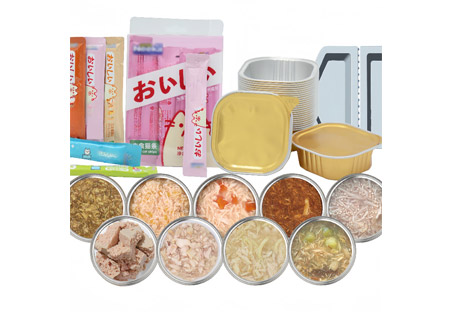
Hangzhou Pawlix Pet Co., Ltd. is a professional manufacturer specializing in aquaculture feed and functional pet treats. Our authority in the industry stems from years of deep-dive R&D into nutritional science and manufacturing precision.
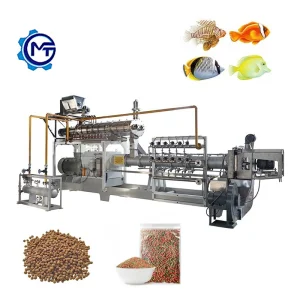
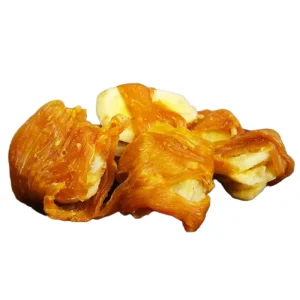
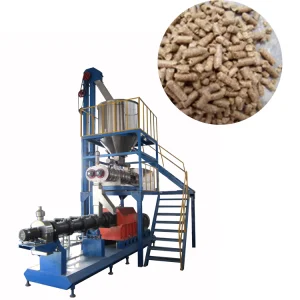
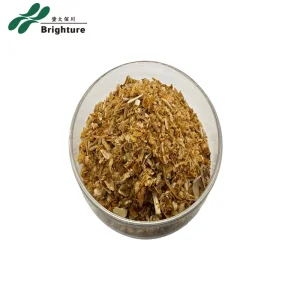
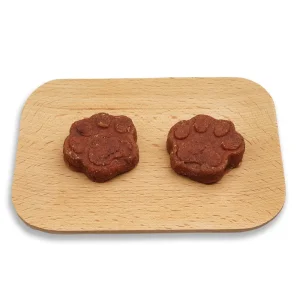
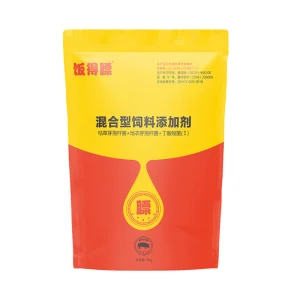
In the aquaculture sector, we offer high-performance feeds including floating and sinking pellets, promoting fast growth and environmental sustainability. For the pet industry, we develop functional treats tailored to specific health needs. Our ability to scale from OEM formulations to customized systems makes us a unique player in the global market.
An industrial system is defined by its ability to maintain biological homeostasis at scale. This requires 99.9% uptime in water circulation, redundant filtration, and precise automated nutrient dosing—capabilities we integrate into our OEM manufacturing processes.
By customizing hardware to the specific density of your fish stocks and the specific plant varieties, we minimize resource waste (water, feed, and electricity) and maximize the Feed Conversion Ratio (FCR), leading to faster time-to-market.
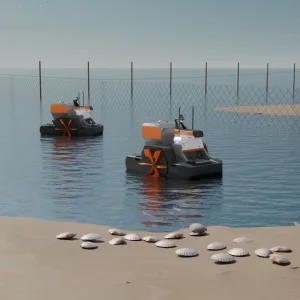
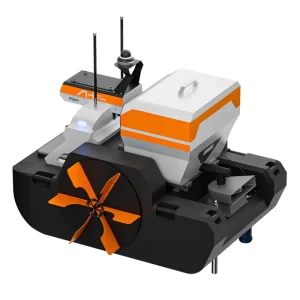
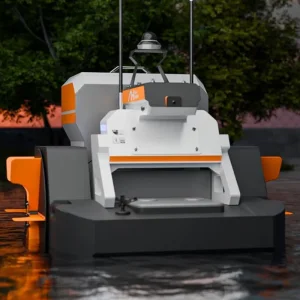
Autonomous USV units allow for precision feed spreading and water quality monitoring without human interference, reducing labor costs and stress on the fish population, which results in healthier stock.
 Pawlix Pet