Basic Information
| Model NO. | feed grade |
| Function | Amino Acid Additives |
| CAS Number | 590-46-5 |
| Molecular Formula | C5h11no2·HCl |
| Assay (on Dry Basis) | ≥ 98.0% |
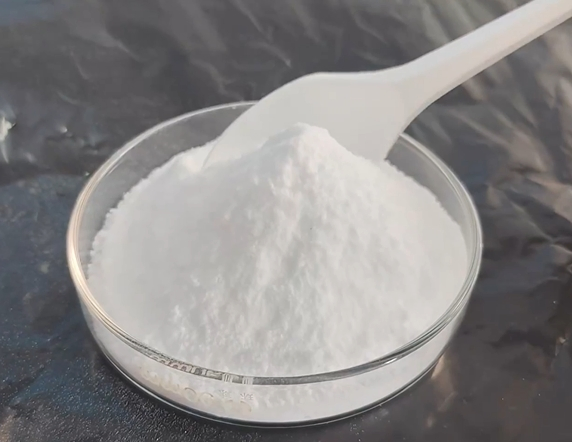
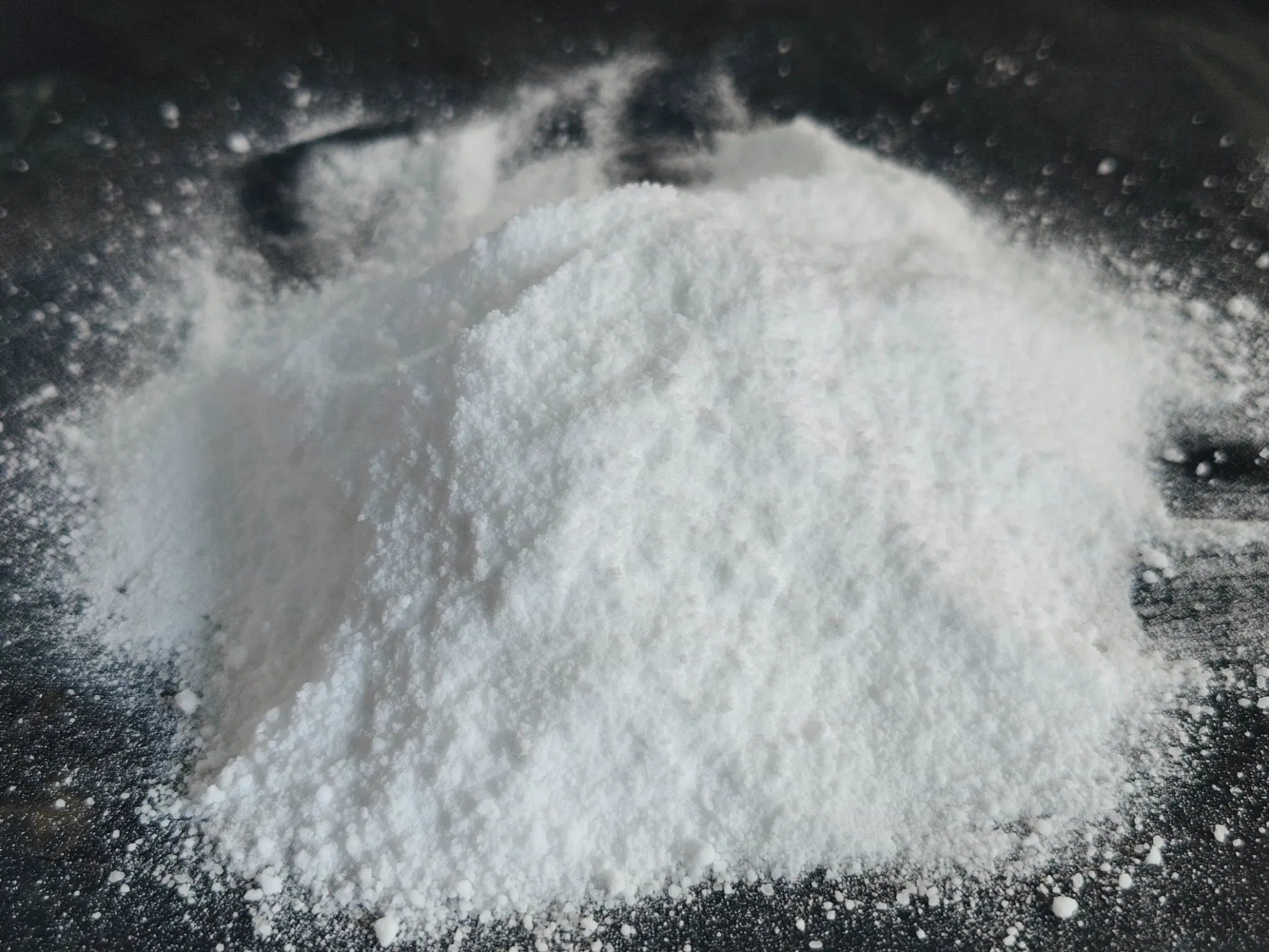
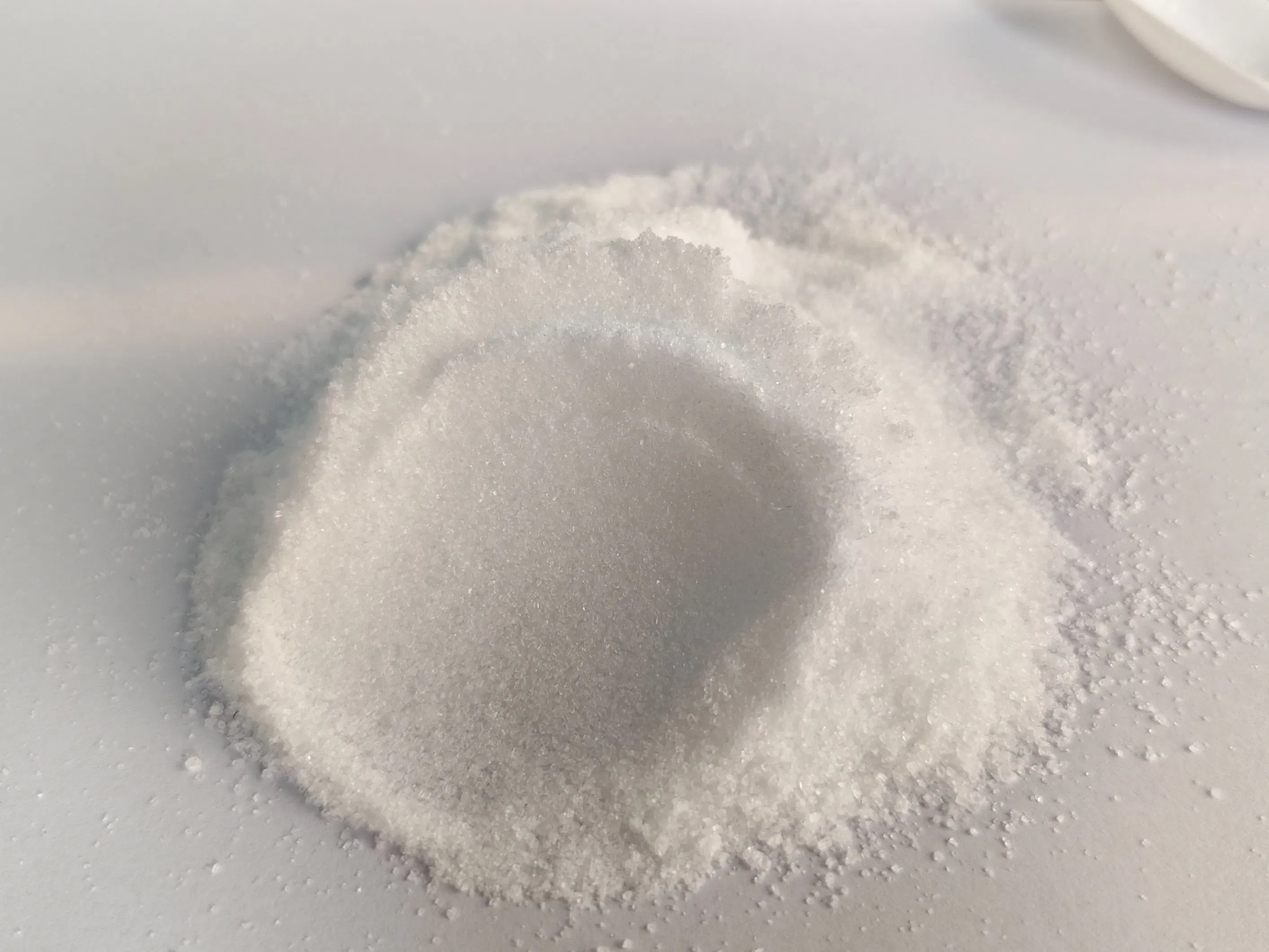
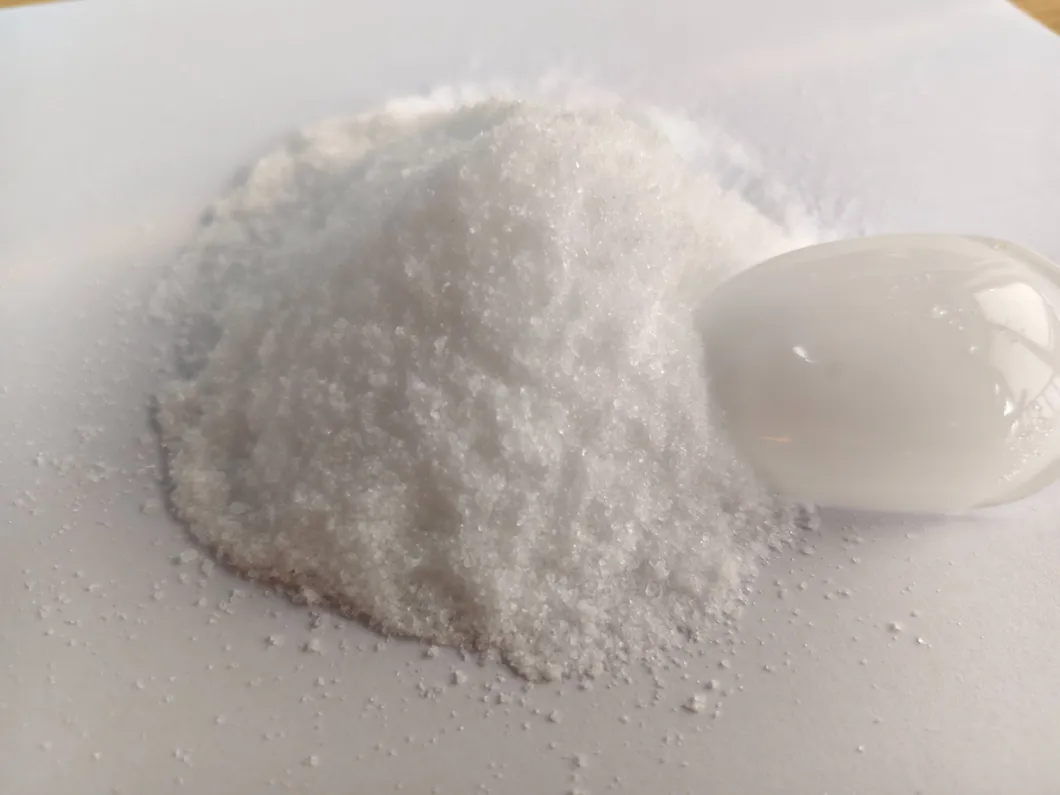
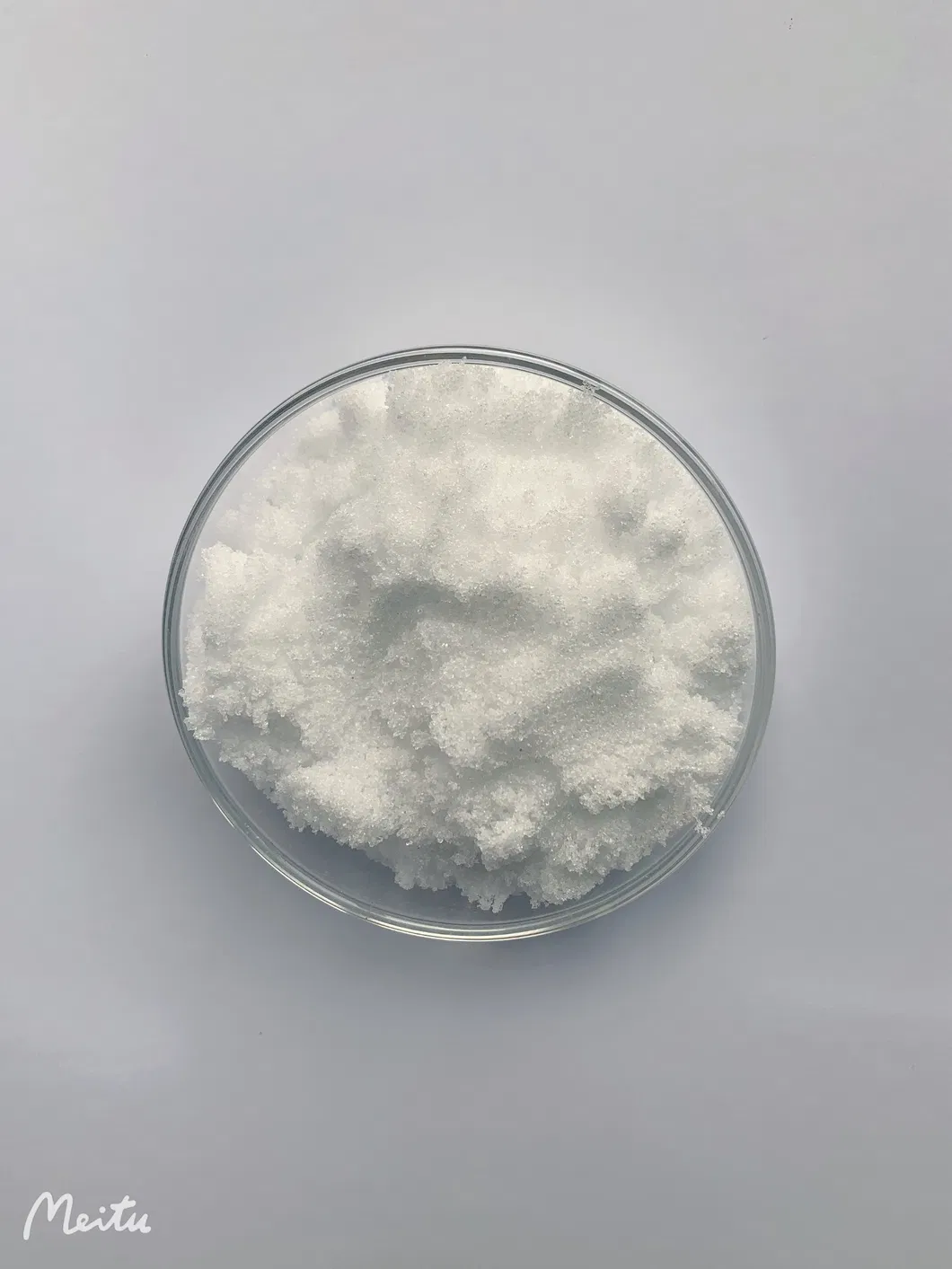
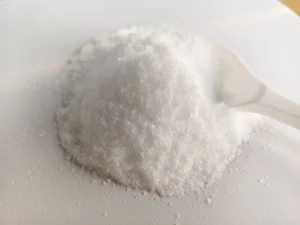
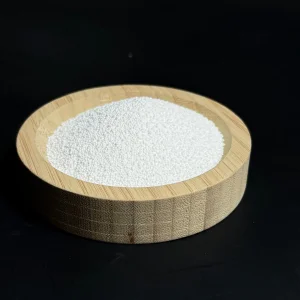
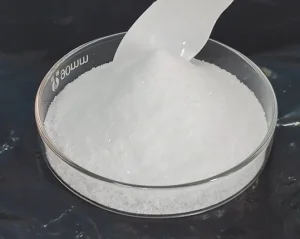
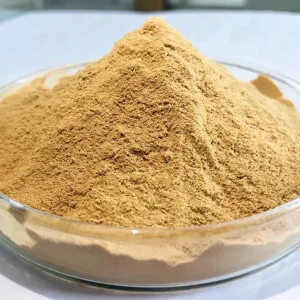
| Appearance | White crystalline powder |
| Shelf Life | 2 Years |
| Target Animals | Swine, Poultry, Aquatic Animals, Ruminants |
Product Overview
Betaine Hydrochloride is a natural, efficient, and multifunctional feed additive, chemically known as trimethylglycine hydrochloride. It is extracted from sugar beet by-products or chemically synthesized, offering multiple benefits including methyl group donation, osmotic regulation, palatability improvement, and intestinal health protection. It is widely used in livestock, poultry, and aquaculture feeds.
Specifications
- Chemical Name: Trimethylglycine Hydrochloride
- Betaine Content: ≥96%
- Loss on Drying: ≤1.0%
- Appearance: White to light yellow crystalline powder, hygroscopic
- Solubility: Freely soluble in water
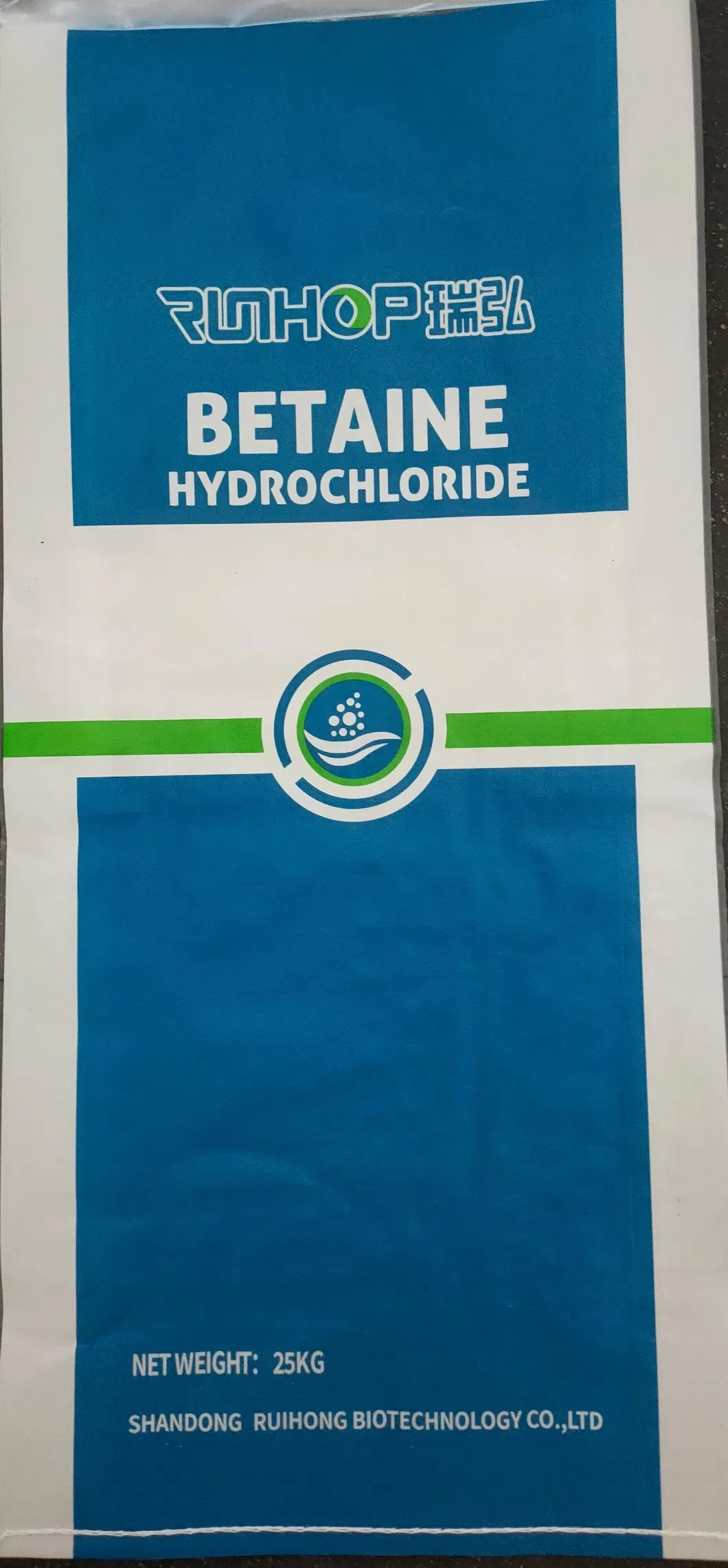
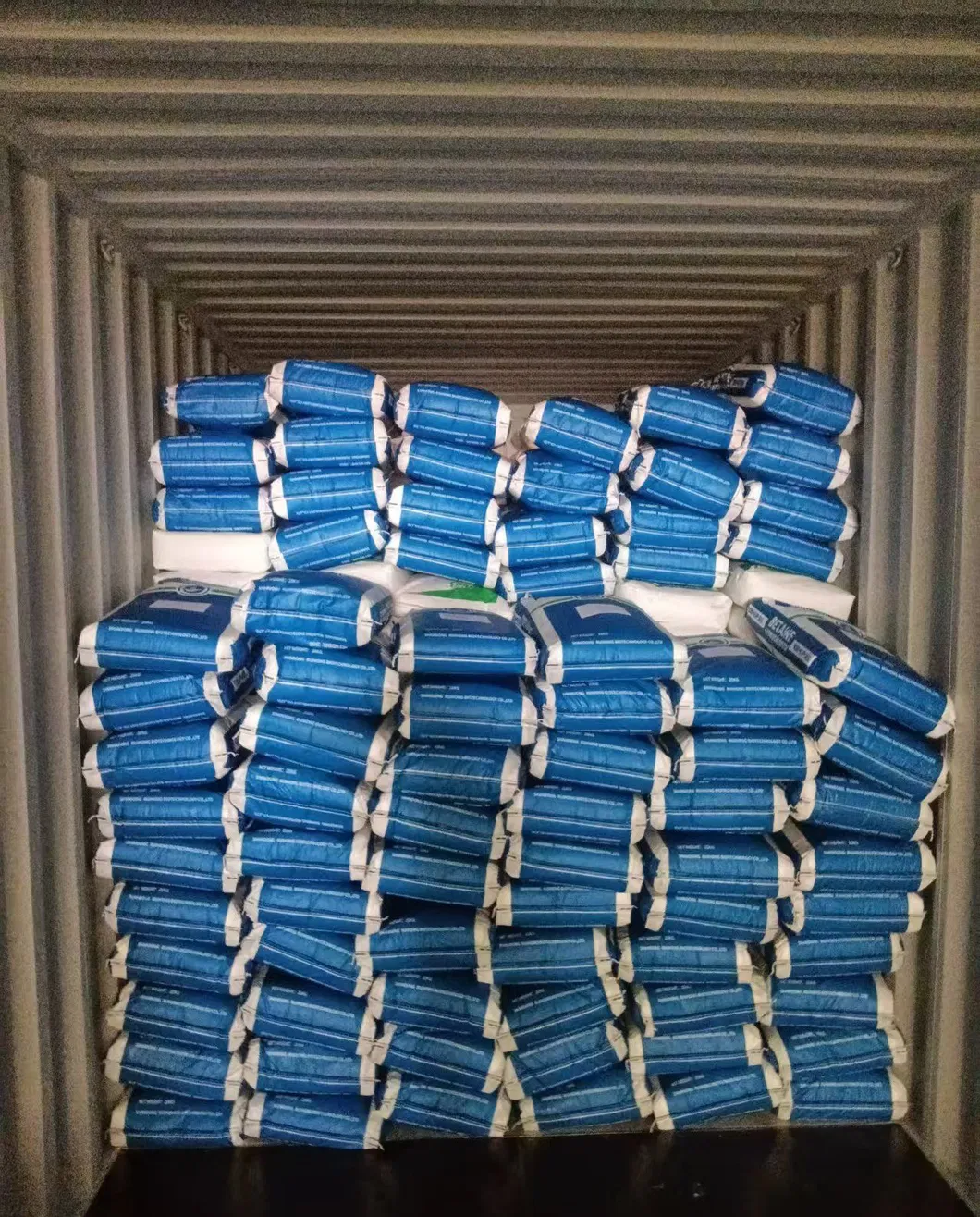
- Packaging: 25 kg/bag, moisture-proof packaging
Key Functions
- High-Efficiency Methyl Donor: Can replace approximately 30% of methionine and choline chloride, reducing feed costs while promoting protein synthesis.
- Osmotic Regulator: Maintains normal cell volume and function, enhancing stress resistance, especially for aquatic animals in salinity changes.
- Appetite Enhancer: Sweet taste improves feed palatability and increases daily feed intake.
- Intestinal Health Protection: Provides hydrochloric acid, lowering gastric pH and promoting digestive enzyme activation while inhibiting harmful bacteria.
- Anti-Fatty Liver Effect: Promotes fat metabolism and prevents fatty liver syndrome in animals.
Recommended Dosage
| Animal Species |
Dosage (kg/ton) |
Main Benefits |
| Piglets | 1.0-2.0 | Promotes growth, reduces diarrhea |
| Poultry | 0.8-1.5 | Improves egg production and eggshell quality |
| Aquatic Animals | 1.5-3.0 | Regulates osmotic pressure, enhances stress resistance |
| Ruminants | 0.5-1.0 | Increases feed intake, promotes growth |
* The dosage is for reference only and should be determined based on actual conditions.
Product Advantages
- Green and Safe: Natural source, no residues, no withdrawal period.
- Cost-Effective: Partially replaces methionine and choline, reducing formula costs.
- High Stability: Heat-resistant, minimal loss during pelleting.
- Multifunctional: Combines nutritional and health benefits in one additive.
Applications & Precautions
Applications: Widely applicable for Swine feed (piglets/sows), Poultry (broilers/layers), Aquafeed (fish/shrimp/crabs), and Ruminants.
Precautions: Store sealed in a cool, dry place to prevent moisture absorption and caking. It is compatible with vitamins, minerals, and other standard additives. Adjust dosage based on animal species and growth stage.
FAQ
Q1: What is the primary role of Betaine Hydrochloride in feed?
It acts as a high-efficiency methyl donor and osmotic regulator, improving growth performance and stress resistance in animals.
Q2: Can it really replace methionine in the diet?
Yes, it can replace approximately 30% of methionine and choline chloride, which helps in significantly reducing feed formulation costs.
Q3: Is it suitable for use in aquatic farming?
Absolutely. It is highly effective for shrimp and fish as it helps them regulate internal osmotic pressure when water salinity changes.
Q4: How should Betaine Hydrochloride be stored?
It should be stored in a cool, dry, and well-ventilated area. Because it is hygroscopic, it must be kept tightly sealed to prevent caking.
Q5: Does this product have a withdrawal period?
No, it is a natural source additive with no residues, meaning there is no withdrawal period required before slaughter.
Q6: What is the shelf life of the product?
Under proper storage conditions (dry and cool), the shelf life is typically 2 years from the date of production.
 Pawlix Pet