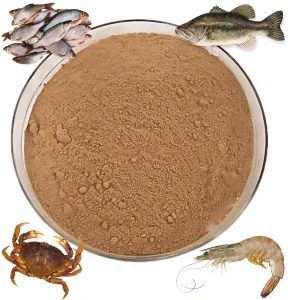
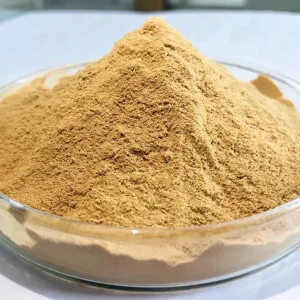
Betaine HCl Feed Grade Boost Feed Intake Stimulates Shrimp Appetite

Still deciding? Get samples of $ !
Request Sample

Product Description

Basic Information

Model NO.
Feed grade
Function
Amino Acid Additives
Shelf Life
2 Years
Storage Method
Dry Ventilate and Shady
CAS Number
590-46-5
Molecular Formula
C5h11no2·HCl
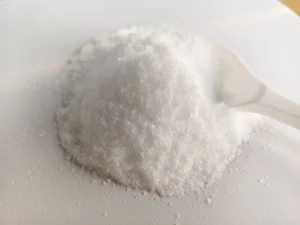
Appearance
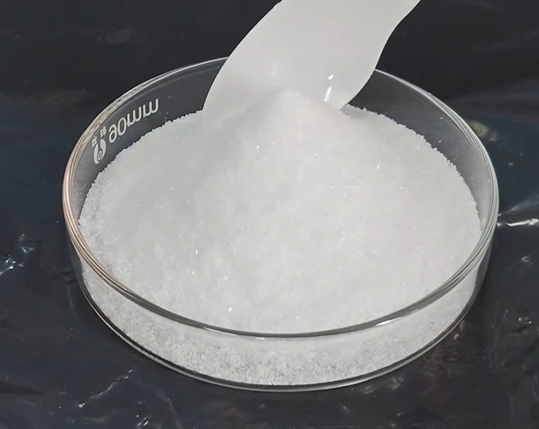
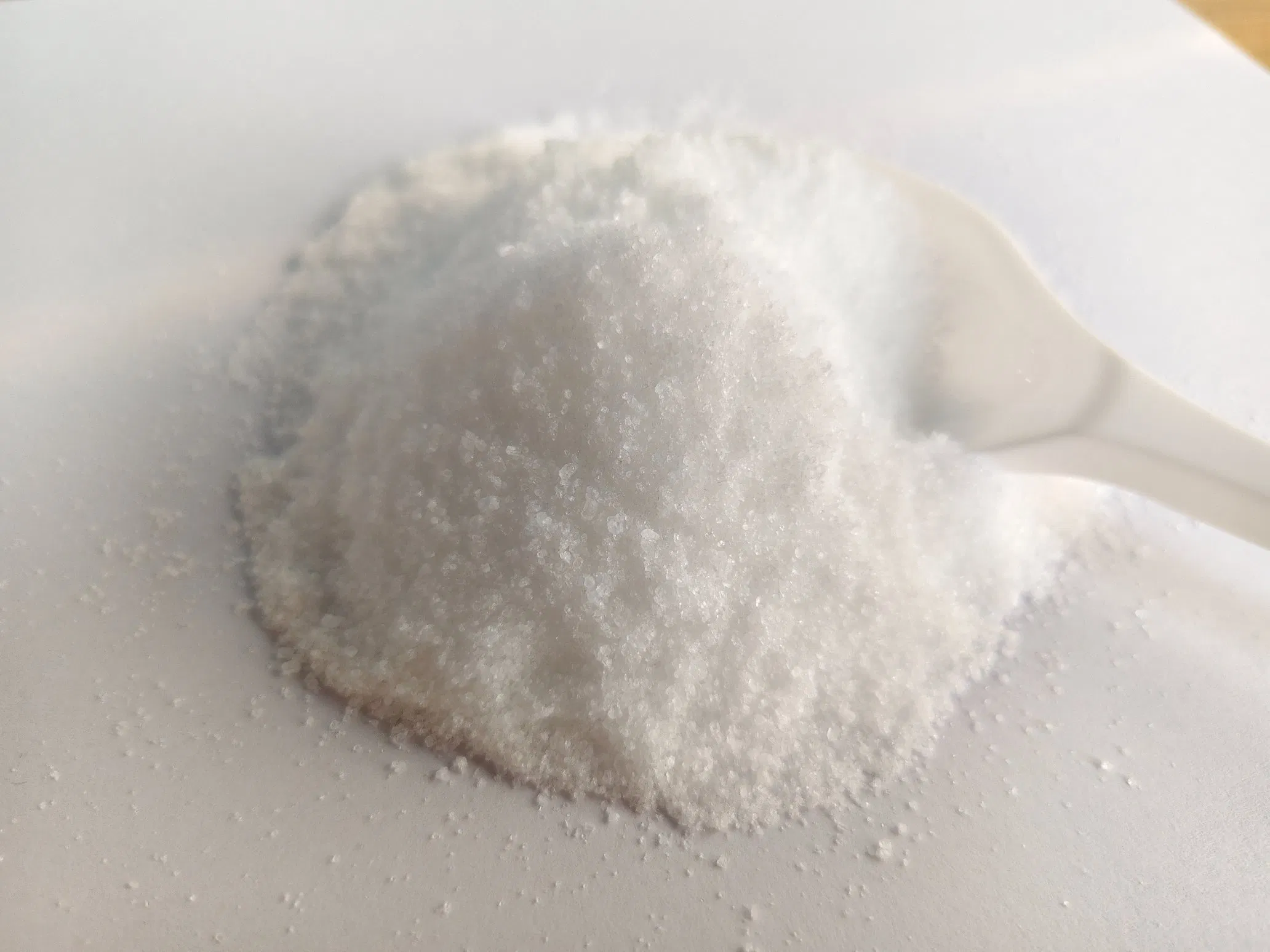
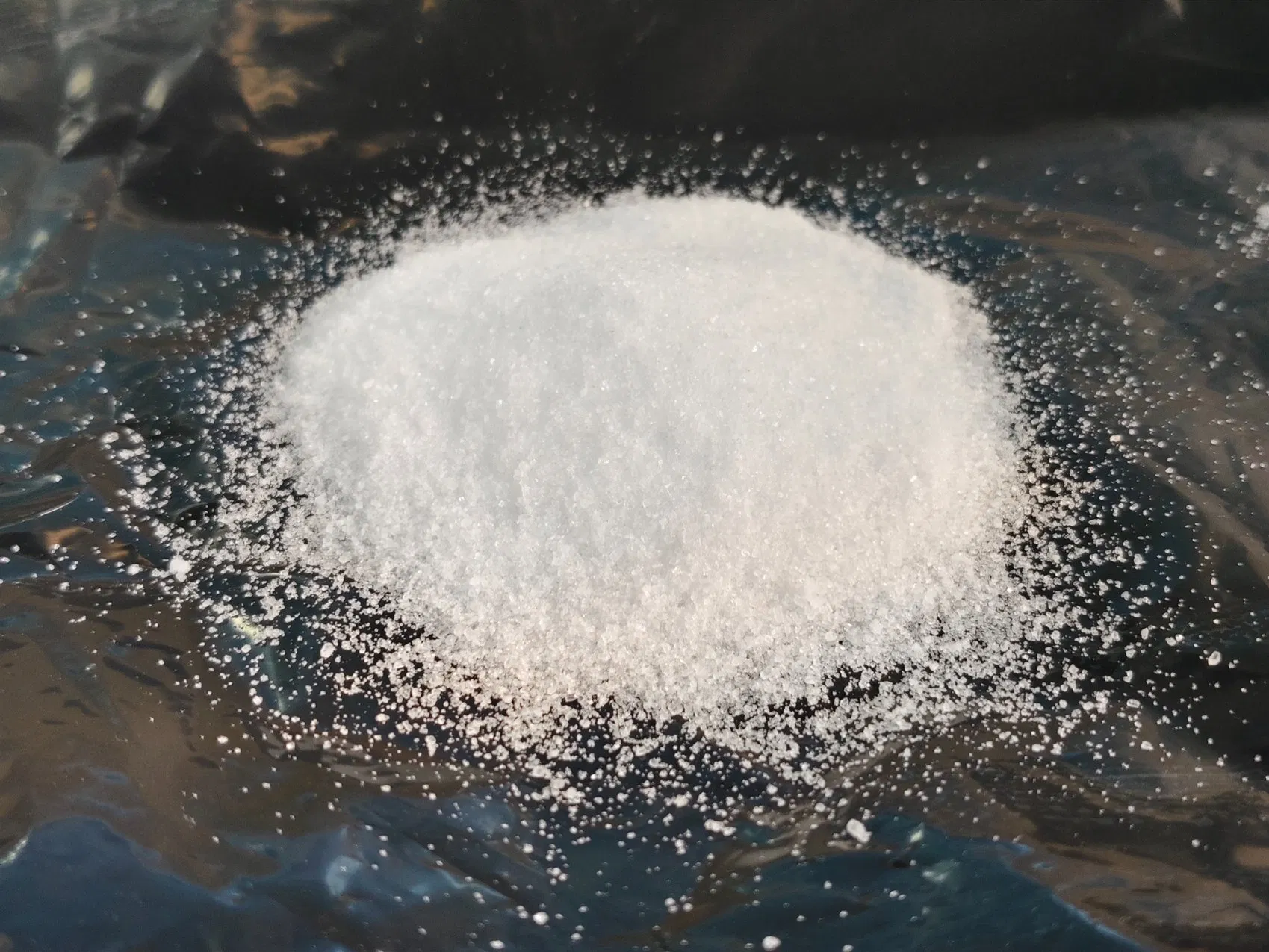
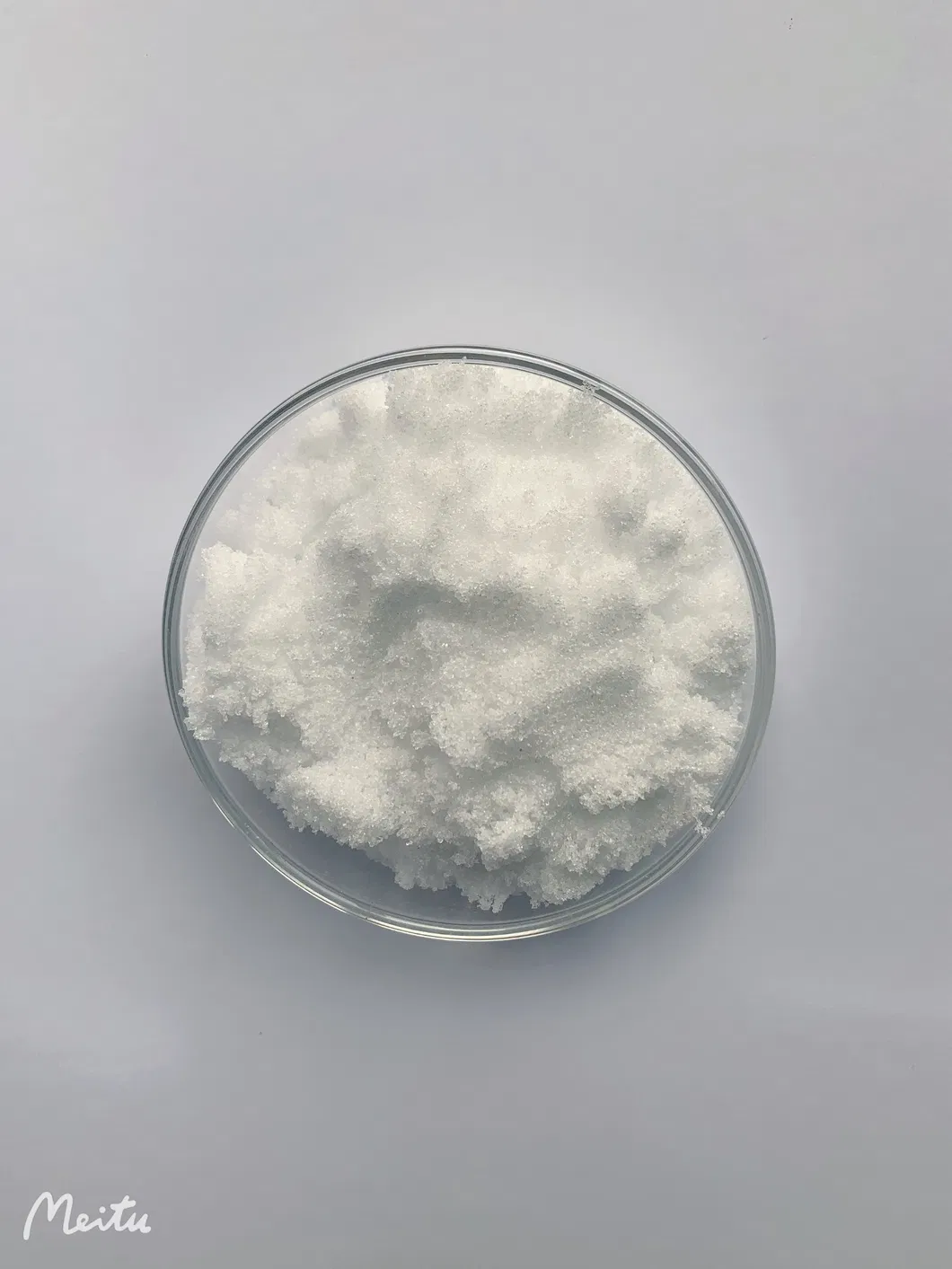
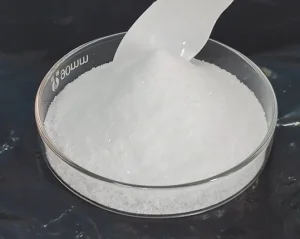
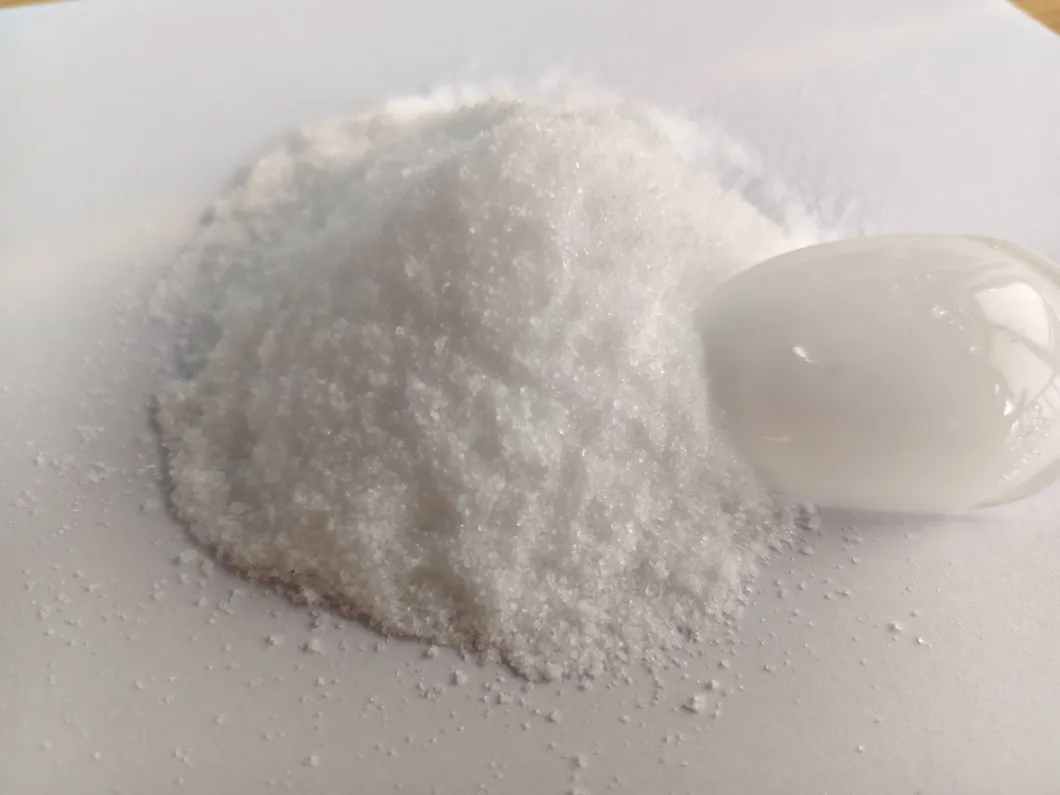
White Crystalline Powder
Assay (Dry Basis)
≥ 98.0%
Loss on Drying
≤ 0.5%
pH (10% Solution)
0.8 - 1.2
Water Insoluble
≤ 0.05%
Heavy Metals (Pb)
≤ 10 Mg/Kg

Product Overview

Betaine Hydrochloride is a natural, efficient, and multifunctional feed additive, chemically known as trimethylglycine hydrochloride. It is extracted from sugar beet by-products or chemically synthesized, offering multiple benefits including methyl group donation, osmotic regulation, palatability improvement, and intestinal health protection. It is widely used in livestock, poultry, and aquaculture feeds.

!Technical Specifications

  • Chemical Name: Trimethylglycine Hydrochloride
  • Betaine Content: ≥96% (Available up to 98%)
  • Loss on Drying: ≤1.0%
  • Appearance: White to light yellow crystalline powder, hygroscopic
  • Solubility: Freely soluble in water
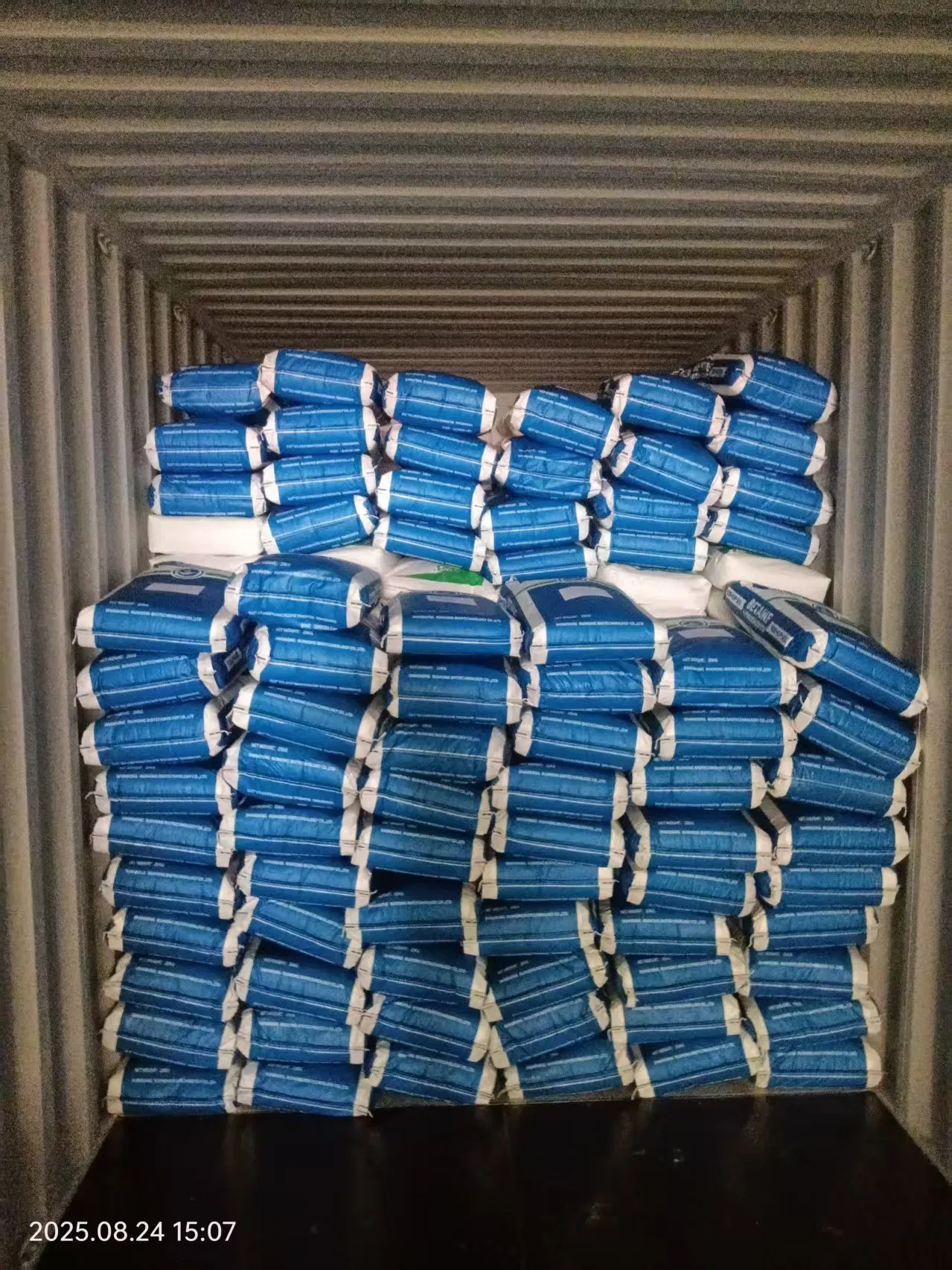
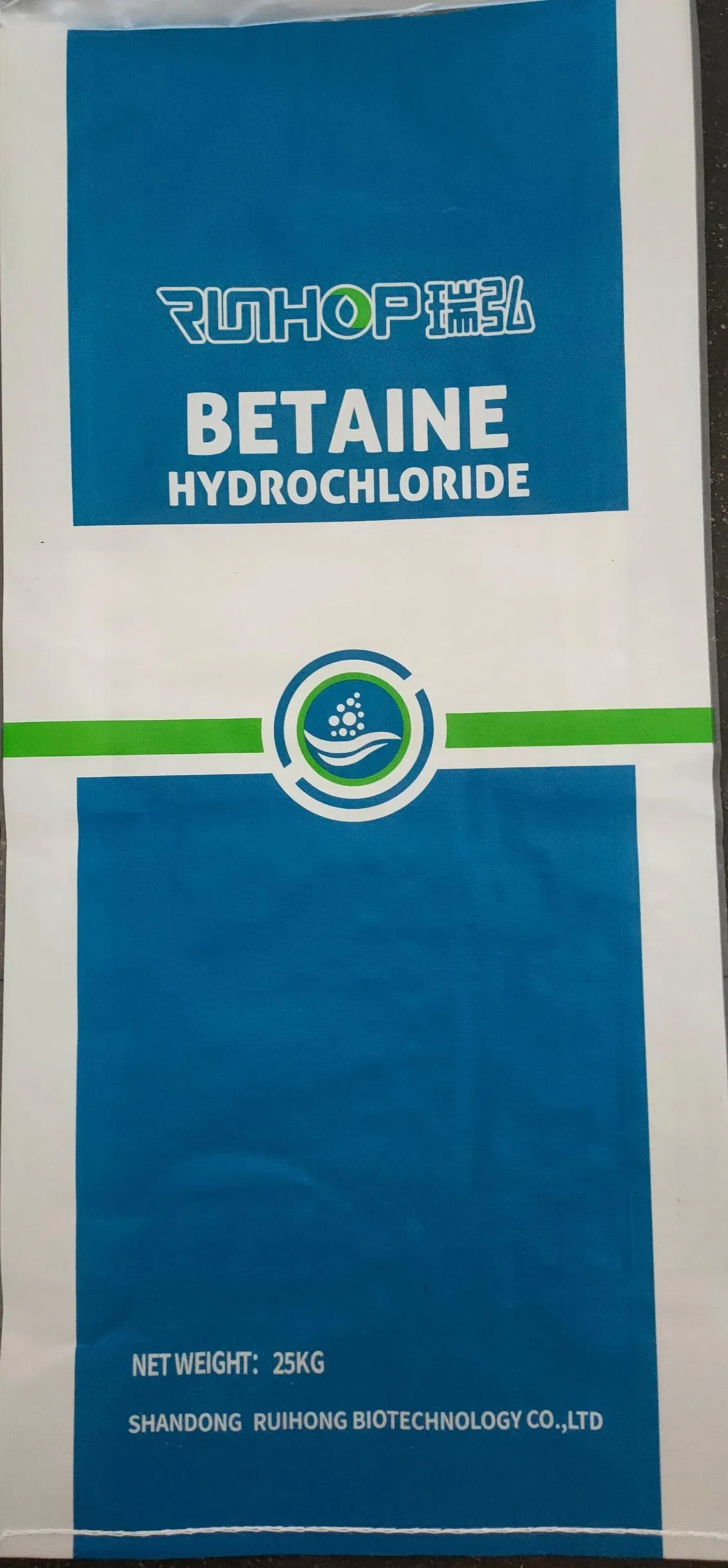
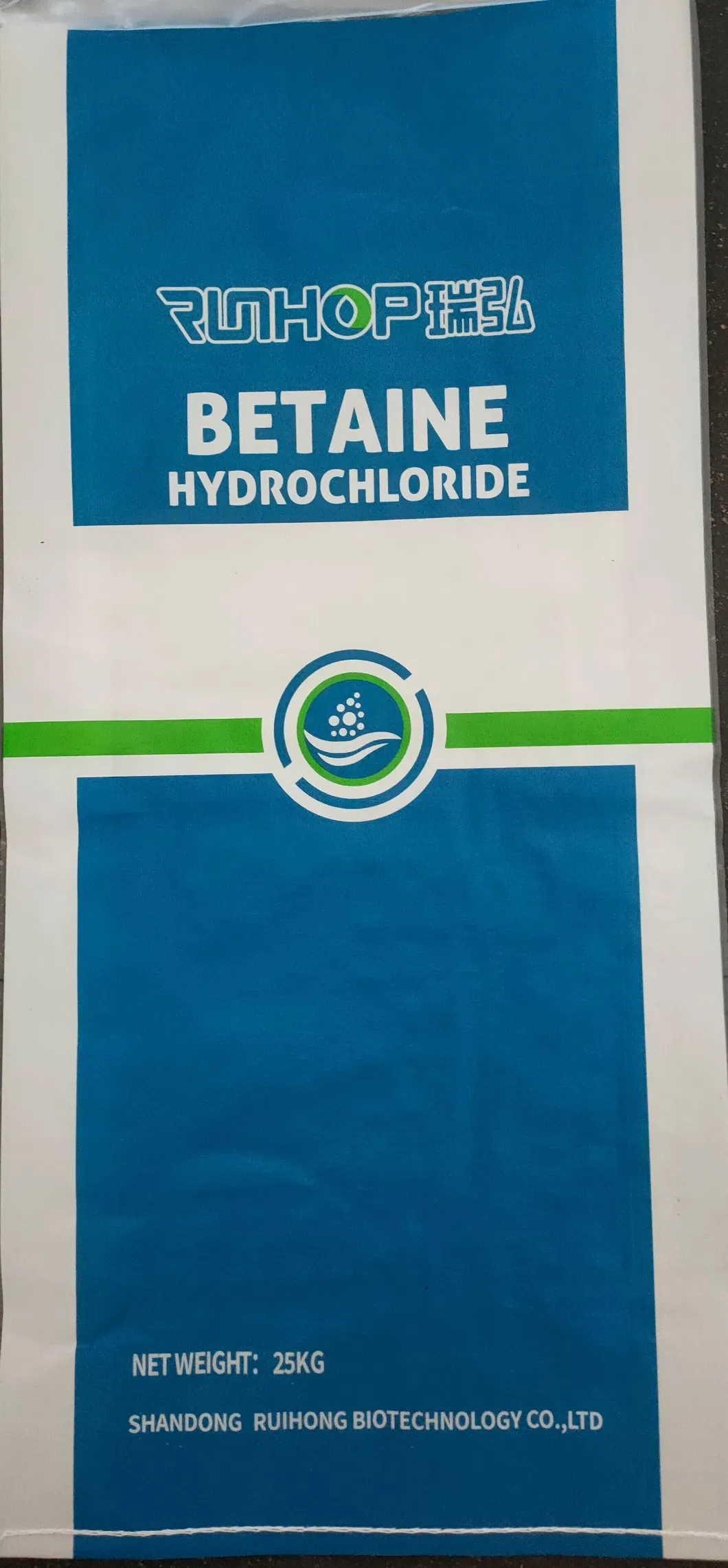
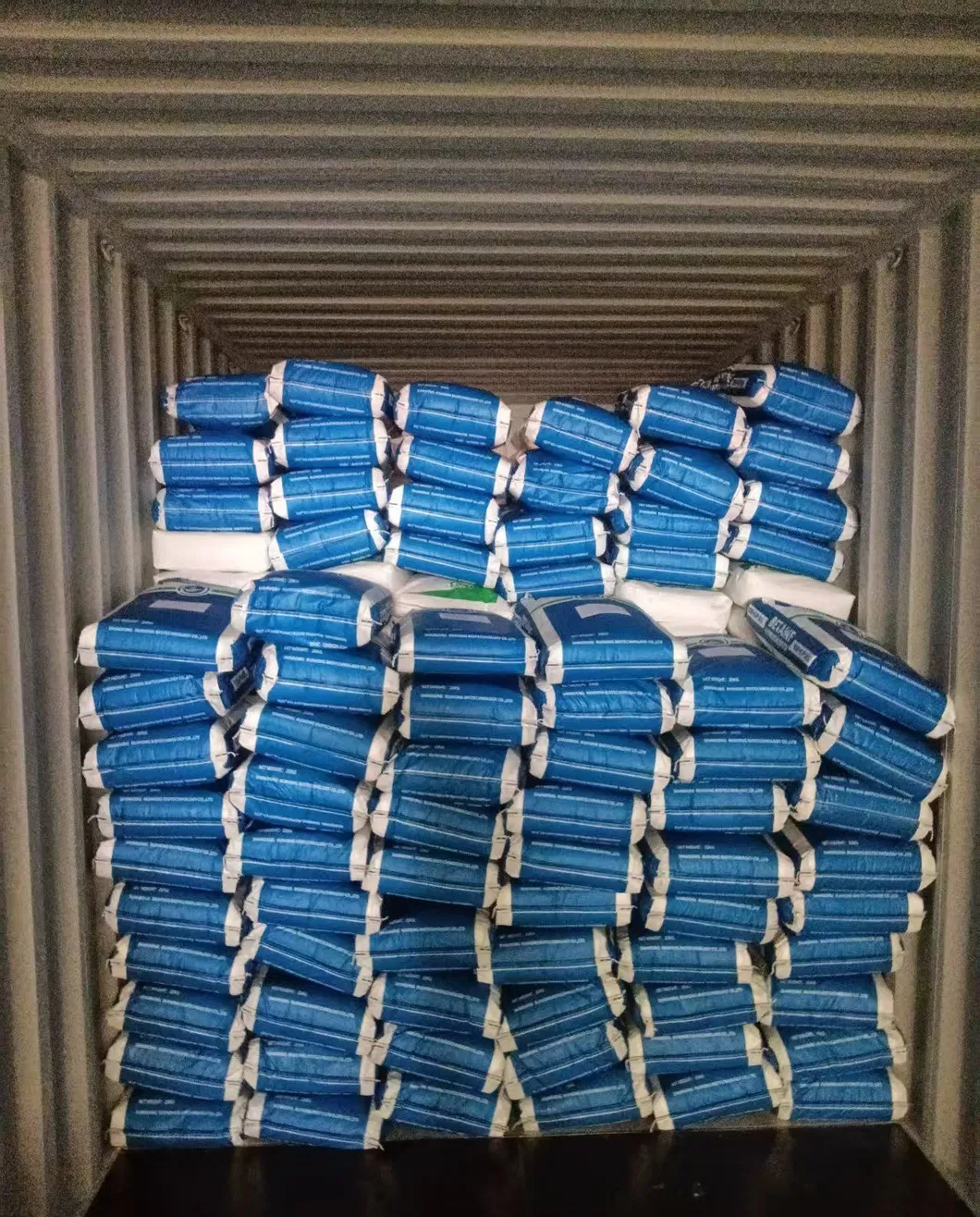
  • Packaging: 25 kg/bag, moisture-proof packaging

Key Functions

1High-Efficiency Methyl Donor

Can replace approximately 30% of methionine and choline chloride, reducing feed costs and promoting protein synthesis.

2Osmotic Regulator

Maintains normal cell volume and function, enhancing stress resistance, particularly for aquatic animals coping with salinity changes.

3Appetite Enhancer

Its sweet taste significantly improves feed palatability and increases overall feed intake.

4Intestinal Health Protection

Provides hydrochloric acid to lower gastric pH, promoting digestive enzyme activation and inhibiting harmful bacteria.

Recommended Dosage

Animal Species Dosage (kg/ton complete feed) Main Benefits
Piglets 1.0 - 2.0 Promotes growth, reduces diarrhea
Poultry 0.8 - 1.5 Improves egg production and eggshell quality
Aquatic Animals 1.5 - 3.0 Regulates osmotic pressure, enhances stress resistance
Ruminants 0.5 - 1.0 Increases feed intake, promotes growth

* The dosage is for reference only and should be determined based on actual conditions.
Product Advantages

  • Green and Safe: Natural source, no residues, no withdrawal period.
  • Cost-Effective: Reduces formula costs by replacing expensive methionine.
  • High Stability: Heat-resistant, minimal loss during the pelleting process.

Precautions

  • Storage: Store sealed in a cool, dry place to prevent moisture absorption and caking.
  • Compatibility: Compatible with vitamins, minerals, and other common additives.

Product Presentation

Frequently Asked Questions

Q1: What is the primary role of Betaine HCl in animal feed?
A: It primarily acts as a high-efficiency methyl donor and osmotic regulator, improving growth performance and stress resistance while reducing feed costs.
Q2: Can Betaine HCl completely replace methionine?
A: It can typically replace about 30% of methionine and choline chloride, providing significant cost savings while maintaining nutritional efficiency.
Q3: Why is it particularly beneficial for aquatic animals?
A: It helps regulate osmotic pressure, which is crucial for fish and shrimp when facing changes in water salinity or environmental stress.
Q4: How should Betaine Hydrochloride be stored?
A: It should be stored in a sealed container in a cool, dry, and well-ventilated area because it is hygroscopic (absorbs moisture from the air).
Q5: Is there a withdrawal period for this additive?
A: No, it is a natural-source green additive with no residues and no required withdrawal period before slaughter.
Q6: What is the typical shelf life of the product?
A: The product has a shelf life of 2 years when stored under proper dry and shaded conditions.

Related Products