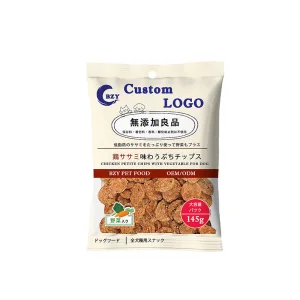
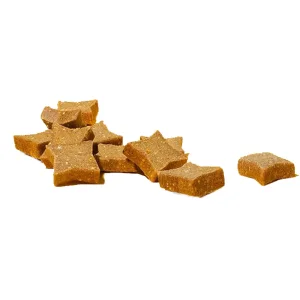
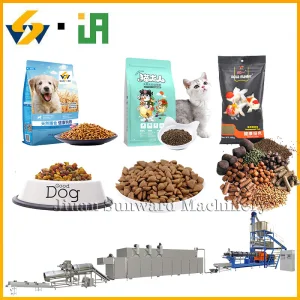
Explore high-performance feed, extrusion machinery, storage bins, and aquaculture nutrition solutions.
Hangzhou Pawlix Pet Co., Ltd. is a professional manufacturer specializing in aquaculture feed and functional pet treats, delivering comprehensive nutrition solutions for both fish farming and companion animal health. Based in Hangzhou, China, the company combines advanced feed technology with scientific formulation to support sustainable aquaculture and improve pet well-being.
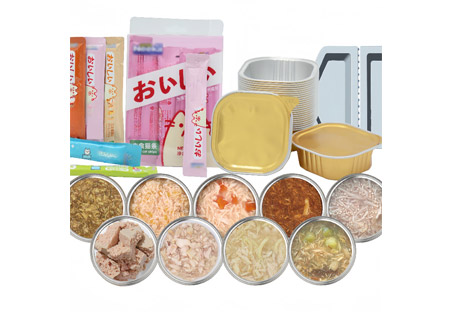
In the aquaculture sector, Pawlix Pet offers a wide range of high-performance feeds, including floating and sinking pellets, shrimp and fish feed, and nutrient-enriched formulations designed to promote fast growth, enhance immunity, and optimize feed conversion rates. The company focuses on maintaining water stability and reducing waste, helping aquaculture operations achieve higher efficiency and environmental sustainability.
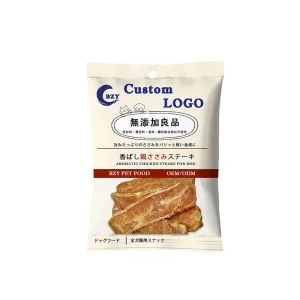
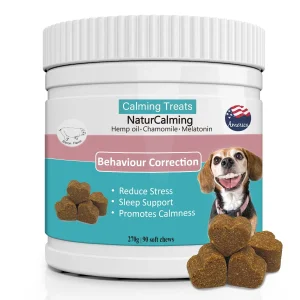
For the pet industry, Pawlix develops functional dog and cat treats tailored to specific health needs such as digestion support, joint care, skin and coat improvement, and calming effects. Using carefully selected ingredients and strict quality control standards, Pawlix ensures safe, nutritious, and palatable products for pets.
With strong R&D capabilities, modern production facilities, and global export experience, Hangzhou Pawlix Pet Co., Ltd. provides OEM and customized solutions to meet diverse market demands. Committed to innovation, quality, and customer satisfaction, Pawlix aims to be a trusted partner in aquaculture nutrition and pet health worldwide.
Analyzing the shift toward high-capacity, climate-controlled preservation systems in industrial marine farming.
The global aquaculture sector has transitioned from small-scale pond operations to highly automated, intensive recirculating aquaculture systems (RAS) and deep-sea cage farms. As production density scales, the storage of specialized feed becomes a crucial link in the value chain. Unlike terrestrial livestock feed, aquatic feed possesses unique thermodynamic and chemical physical properties:
Modern storage solutions demand double-wall vacuum insulation or active refrigeration loops to maintain core storage temperatures below 20°C, drastically slowing down lipid oxidation.
Integration of hermetic sealing systems and nitrogen-purging atmospheres eliminates oxygen-driven degradation and halts moisture migration within bulk storage silos.
Custom-engineered hopper angles, smooth internal food-grade coatings, and planetary drag conveyors minimize pellet friction and protect the physical integrity of the extruded feed.
From raw structural design to dynamic microclimate controls—how we secure feed integrity.
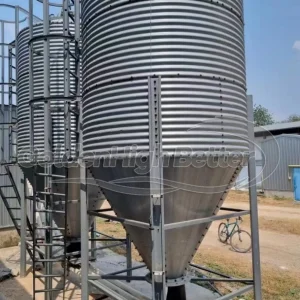
To optimize bulk aquatic feed storage, manufacturers must employ precise structural engineering. General-purpose agricultural silos fail when applied to aquatic logistics. At Hangzhou Pawlix Pet Co., Ltd., we combine our understanding of aquaculture nutrition with industrial structural design to develop tailored OEM storage equipment.
Our dynamic OEM configurations integrate structural calculations optimized for bulk density (ranging from 500 to 720 kg/m³) and specific angles of repose (typically between 32° and 38° for oily pellets). Here is how our structural features deliver measurable preservation gains:
We utilize high-tensile structural steel coated with Z600 galvanized sheet coatings (600g/m² zinc density) or marine-grade 316L stainless steel. This ensures a design lifespan exceeding 25 years even in highly corrosive coastal marine environments characterized by saline air and high ambient humidity.
Funnels are custom-engineered with a 60° to 65° steep cone slope to ensure a strict "First-In, First-Out" (FIFO) inventory rotation. This completely eliminates dead-zone accumulation where old feed can cake, ferment, and inoculate new batches with mold spores.
Silos are fitted with positive-pressure aeration fans integrated with desiccant air dehumidifiers. This prevents condensation cycles—commonly known as "silo rain"—which occur when daytime heat cools down at night, causing internal humidity to condense on interior metal surfaces.
Unlocking strategic value through standardization, global supply chains, and compliance.
Global aquaculture feed millers, industrial shrimp farms, and oceanic farming conglomerates require strict operational criteria during the procurement phase. A storage solution must not only keep products dry; it must integrate seamlessly with automated feeding systems and plant telemetry. Key evaluation vectors include:
Procuring entities require real-time tracking of internal humidity, temperature matrices at multiple storage heights, and ultrasonic level sensors. These are integrated directly into ERP and SCADA monitoring loops.
Organic feed dust is highly explosive. Global safety mandates require storage units to have ATEX-certified explosion relief panels, anti-spark discharge paths, and intrinsically safe sensor terminals.
Coastal and offshore environments feature C5-M extreme marine corrosion classifications. Standard paint or light zinc coatings degrade within years, leading to structurally compromised hulls and rust contamination in feed.
Adhering to international agricultural standards and regional building codes.
Engineering a storage solution requires strict alignment with localized mechanical and environmental standards. We ensure all structures comply with ASCE 7 (Minimum Design Loads for Buildings and Other Structures) for high-wind coastal zones, and Eurocode 3 (Design of steel structures) and Eurocode 1 (Part 4: Silos and tanks) for structural calculations.
Furthermore, food safety and biosecurity regulations require all internal coatings to be FDA-approved food-contact grade. For operations based in Europe, compliance with GMP+ B10 (Laboratory testing and storage) and local environmental laws on particulate emissions during silo filling is guaranteed. Our localized engineering support team handles calculations for seismic loads, snow loads, and wind shear to tailor structural calculations precisely to your installation site's coordinates.
Technical answers to critical questions about industrial aquatic feed storage engineering.
Aquatic feed is highly extruded, contains high percentages of lipids (fish oils), and is structurally fragile. Standard agricultural silos often utilize funnel-flow configurations which cause internal shearing, leading to oil separation, pellet breakage, and accumulation of dense dust "fines". Additionally, the high lipid content oxidizes easily, requiring strict temperature control, and the coastal location of many aquaculture farms demands advanced C5-M marine-grade corrosion protection (such as Z600 galvanization or stainless steel).
Bridging and rat-holing occur when oily feed particles compress and form cohesive structural arches over discharge openings. We mitigate this through custom-designed hopper angles (60° to 65° steep cones), high-slip food-grade internal epoxy coatings, and the integration of flow aids such as fluidization nozzles or industrial bin activators that vibrate the inner skin of the hopper zone without damaging the pellets.
"Silo rain" is condensation that occurs when hot, moist air inside the silo hits the cold metal roof during temperature drops at night. The condensed water drips back onto the feed, initiating mold growth. We prevent this by integrating double-skin polyurethane insulation panels on the silo exterior, along with roof exhaust fans and automated dehumidification systems that actively maintain the relative humidity of the headspace below 60%.
Yes. As a dedicated OEM/ODM manufacturer, we customize structural sizing, support frame clearances, filling pipeline orientations, and discharge configurations to integrate directly with your pre-existing pneumatic conveyors, drag chains, or automated feeding systems. Our engineering team provides detailed 3D CAD and BIM models during the design phase for approval.
We build and calculate our storage silos in compliance with Eurocode 1 (Actions on structures - Silos and tanks) and ASCE 7-10/7-16. For installations in coastal typhoon regions or high-risk seismic zones, we increase plate thickness, design heavier anchor ring beams, and utilize structural reinforcement stiffeners to withstand wind speeds up to 250 km/h.
Absolutely. All raw materials, sealants, anti-wear liners, and coatings used inside our storage bins are certified food-contact safe in compliance with FDA regulations and EC 1935/2004 standards. They do not leach chemicals, plasticizers, or heavy metals into the feed, preserving the organic status and gut-health features of your premium aquaculture formulations.
Browse our complete spectrum of feed additives, specialized treats, and high-efficiency machinery.
 Pawlix Pet