Specially formulated additives and compound feeds engineered to enhance metabolic color deposition, cellular immunity, and exoskeleton strength in tropical species.
Strategic analysis of the Cibao Valley’s commercial aquafeed supply chain, environmental parameters, and market dynamics driving color-enhancement technologies.
As the economic epicenter of the Cibao Valley, Santiago de los Caballeros occupies a pivotal position in the Dominican Republic’s agricultural and industrial transformation. While historically celebrated for agrarian processing, tobacco, and light manufacturing, the region surrounding Santiago has rapidly emerged as a key distribution hub and technological staging ground for modern aquaculture operations. Local commercial farms, ranging from freshwater red tilapia (*Oreochromis spp.*) hatcheries in the Yaque del Norte river basin to coastal shrimp (*Penaeus vannamei*) systems across Monte Cristi and Puerto Plata, rely directly on Santiago’s logistics infrastructure for high-density feeds and specialized micro-nutrients.
Commercial operations in Santiago’s surrounding provinces utilize high-density pond and cage culture systems. High density intensifies nutritional requirements, making synthetic or natural carotenoid supplementation essential to maintain market-ready skin pigmentation.
The Caribbean tourist corridor demands premium seafood visual appeal. Farmed red tilapia and prawns that lack deep, uniform red/orange pigmentation suffer up to a 35% discount in wholesale market valuation across resort chains and retail markets.
Santiago’s warm tropical climate introduces accelerated oxidation challenges during feed storage. Thermostable bio-encapsulation is required to preserve sensitive pigment molecules like Astaxanthin and Canthaxanthin against heat oxidation.
The industrial landscape in Santiago de los Caballeros requires feed mills and aquafeed distributors to move beyond basic protein-energy ratios. Color-enhancing aquafeed is no longer viewed merely as an aesthetic supplement; it is recognized as a vital functional diet. Aquatic animals cannot synthesize carotenoids *de novo*. Therefore, color expression directly reflects dietary bioavailability, liver metabolic health, and oxidative stress management within tropical farming environments.
Next-generation molecular chemistry combining micro-encapsulated natural carotenoids, botanical immunomodulators, and lipid carrier matrices.
Standard synthetic carotenoids suffer high degradation during the high-temperature extrusion process of floating aquafeed. Our advanced technical roadmap incorporates micro-encapsulated *Haematococcus pluvialis* algal meal stabilized with natural lipid matrices. This structure protects astaxanthin molecules up to 120°C during twin-screw extrusion, ensuring that up to 92% of active carotenoids reach the intestine of aquatic species intact.
Pigment deposition in sub-dermal chromatophores is intimately linked to hepatic wellness. By integrating standardized Eucommia Ulmoides extracts (rich in Chlorogenic Acid), our color-enhancing feed formulations reduce liver oxidative strain. When liver inflammation is suppressed, carotenoid transport proteins function at peak capacity, leading to 40% faster pigment accumulation in tilapia skin and shrimp hypodermis.
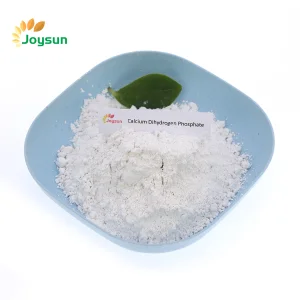
Color saturation in crustaceans such as *Penaeus vannamei* depends on a solid, well-mineralized exoskeleton. Incorporating bio-available Monocalcium Phosphate (MCP) ensures rapid post-molt calcification. A dense chitin lattice traps astaxanthin-protein complexes (crustacyanin) more effectively, yielding the deep ruby red coloration upon cooking that premium international markets mandate.
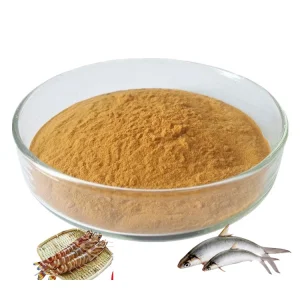
Even the most sophisticated functional feed yields zero return if feed intake drops. Our inclusion of feed-grade low-salt shrimp paste and hydrolyzed amino acids creates strong chemo-sensory attractant signals. This accelerates feed discovery time to under 3 minutes, minimizing leaching of water-soluble nutrients and functional pigments into the surrounding pond water.
Balancing deep skin pigmentation with environmental sustainability and pond water quality protection.
The Operational Challenge in Santiago & Surrounding Cibao Ponds: Traditional pigment-dense feeds often rely on poor-quality binders and excess synthetic dyes, causing pigment leaching, organic loading, and water discoloration. Excess nitrogen and phosphorus runoff triggers toxic algal blooms, depleting dissolved oxygen levels during high-temperature Caribbean nights.
To address the delicate ecological balance in recirculating aquaculture systems (RAS) and open-pond systems around Santiago de los Caballeros, our functional color-enhancing aquafeed matrix integrates dual-action bio-remediation protocols:
Enriched with spores of high-potency Bacillus subtilis, our feed acts as an in-situ water conditioner. As unconsumed feed particles or fecal matter settle, the spore-forming bacteria germinate, actively metabolizing organic sludge, suppressing pathogenic Vibrio strains, and preventing volatile ammonia ($NH_3$) spikes.
By utilizing ultra-pure Monocalcium Phosphate (MCP) over crude rock phosphates, phosphorus retention in target fish species is maximized. This slashes fecal phosphorus discharge by up to 60%, eliminating the primary driver of eutrophication in local Cibao water reservoirs.
Leveraging modern extrusion infrastructure and scientific formulation to supply cost-efficient, premium aquafeed solutions to Santiago importers.
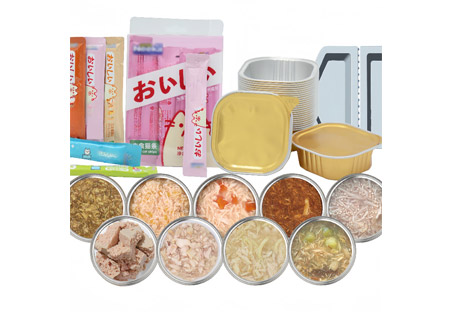
Hangzhou Pawlix Pet Co., Ltd. is a leading manufacturer specializing in aquaculture feed and functional pet nutrition, delivering advanced dietary solutions engineered for performance, survival, and visual color excellence. Headquartered in Hangzhou, China, Pawlix blends automated Industry 4.0 production processes with deep nutritional research to serve international distributors across the Americas, Europe, and Asia-Pacific.
In the aquaculture sector, Pawlix Pet manufactures a comprehensive range of high-performance floating and sinking feeds, crustacean micro-pellets, and specialized functional additives. By integrating advanced vacuum-coating technologies, sensitive carotenoids and probiotic cultures are applied post-extrusion at lower temperatures, preserving maximum enzymatic and pigment biological activity.
Pawlix’s dual-expertise in both high-end functional pet treats and aquatic feeds provides a unique technology transfer advantage. Techniques developed for mucosal barrier integrity, gut microbiome balancing, and coat color optimization in pet nutrition are adapted directly into color-enhancing aquafeed systems.
With modern manufacturing facilities, rigorous quality assurance protocols (ISO 22000, HACCP), and extensive export experience into Latin American ports, Hangzhou Pawlix Pet Co., Ltd. provides robust OEM, ODM, and bulk custom formulation services. Partnering with Pawlix enables Santiago de los Caballeros feed mills and aquafeed importers to bypass high regional production costs while guaranteeing batch-to-batch nutritional consistency.
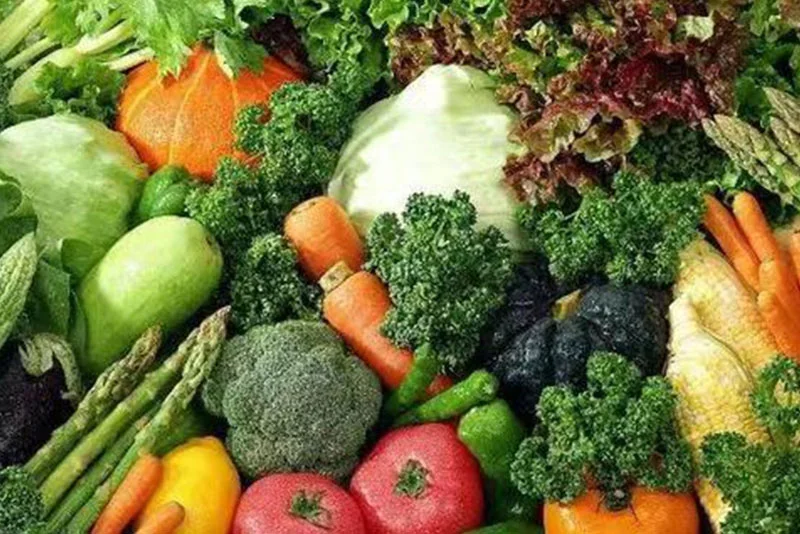
Ensuring full alignment with local Dominican Republic agricultural standards and tropical marine logistics.
All exported feed grades come complete with Certificates of Analysis (COA), free-sale certificates, heavy metal test reports, and non-GMO documentation to streamline import approval via the Dominican Ministry of Agriculture (Dirección General de Ganadería).
To withstand humidity during transit to Port of Haina, Caucedo, or Puerto Plata and onward transit to Santiago warehouses, products utilize multi-wall UV-blocking foil packaging with desiccant layers, preserving carotenoids against heat and light breakdown.
We tailor crude protein (30%–45%), crude fat (5%–12%), and pigment concentrations (Astaxanthin 40–80 ppm) specifically to match the water alkalinity, temperature, and grow-out cycles of local Dominican farm conditions.
Commercial guidelines for Santiago feed integrators, commercial farms, and regional distributors purchasing high-potency functional ingredients.
| Product Category | Active Pigment / Ingredient | Primary Aquaculture Application | Recommended Inclusion / Usage |
|---|---|---|---|
| Color-Enhancer Concentrate | Astaxanthin + Chlorogenic Acid | Red Tilapia, Ornamental Koi, Shrimp Finishers | 50 - 100 ppm final feed concentration |
| Exoskeleton Mineralizer | Monocalcium Phosphate (MCP 22%) | Penaeus Vannamei, Tiger Shrimp, Crab | 1.0% - 2.5% inclusion in compound diets |
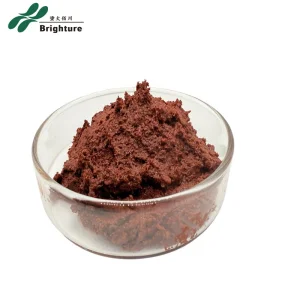
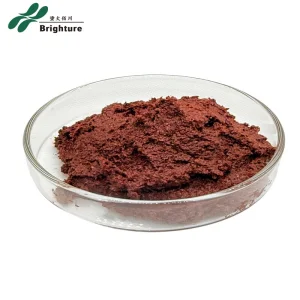
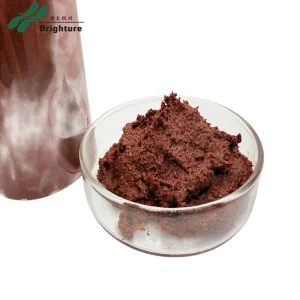
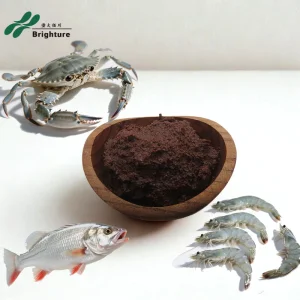
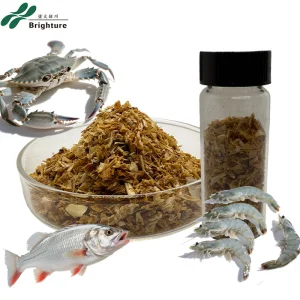
| Chemo-Attractant Paste | Hydrolyzed Low-Salt Shrimp Paste | Larval Feed, Post-Larvae, Marine Finfish | 3.0% - 8.0% matrix incorporation |
| Water-Clearing Probiotic | Bacillus Subtilis ($1 \times 10^{10}$ CFU/g) | High-Density Ponds, Biofloc Systems | 500g per ton of feed or direct pond dosing |
Explore our complete collection of probiotic powders, attractant pastes, amino-acid fortifiers, and bio-mineral blends.

Expert answers regarding color-enhancing aquafeed formulation, logistics to Santiago de los Caballeros, and feeding protocols.
Under optimal water temperature conditions ($26^\circ\text{C}$ to $30^\circ\text{C}$) typical of the Dominican Republic, initial pigment accumulation in chromatophores is visible within 14 to 21 days of continuous feeding with our astaxanthin-fortified formulation. Maximum saturation for market readiness is typically achieved in 30 to 45 days prior to harvest.
Unprotected carotenoids degrade rapidly when exposed to high tropical temperatures and oxygen. Our color-enhancing feeds utilize double micro-encapsulation combined with natural antioxidants like Chlorogenic Acid (from Eucommia Ulmoides). This ensures over 90% pigment retention even after 6 months of storage under tropical warehouse conditions in Santiago.
Shrimp pigmentation relies on astaxanthin binding to crustacyanin proteins within the exoskeleton layer. Monocalcium Phosphate provides bio-available phosphorus and calcium necessary for strong shell synthesis after molting. A dense, healthy shell locks in pigments, preventing color dullness and imparting a brilliant red color upon cooking.
Yes. Hangzhou Pawlix Pet Co., Ltd. specializes in full OEM and ODM services. We can adjust protein levels, pellet sizes (0.8mm to 8mm), floating vs. sinking buoyancy characteristics, and carotenoid concentrations to suit your target species and commercial branding requirements.
Probiotics improve gut villi integrity, enabling higher intestinal absorption efficiency of hydrophobic compounds such as astaxanthin. Simultaneously, excreted Bacillus spores break down organic wastes in the water column, lowering ammonia and maintaining clean water clarity so fish absorb maximum light spectrums for intense coloration.
FCL shipments from our Ningbo or Shanghai port facilities to Dominican ports (Rio Haina, Caucedo, or Puerto Plata) average 28 to 35 days ocean transit. Customs clearance and overland trucking to Santiago de los Caballeros warehouses typically require an additional 3 to 5 business days.
Connect directly with Hangzhou Pawlix Pet Co., Ltd. nutritional scientists and export specialists to request custom quotes, trial samples, or factory technical specifications.
 Pawlix Pet