Starter Feed for Juvenile Fish Factories & Suppliers for Mozambique

Precision Nutrition Roadmap, Supply Chain Resilience, and High-Stability Formulations Tailored for East African Aquaculture Ecosystems

Featured Starter Feeds & Formulations for Mozambique

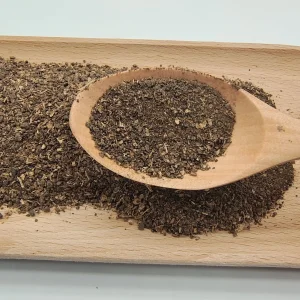
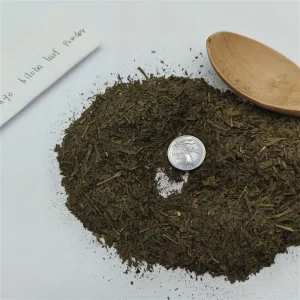
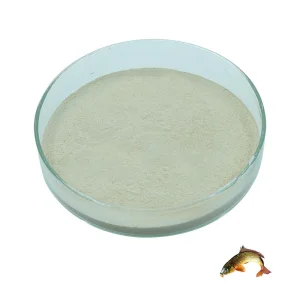
Squid Liver Powder for Mozambique Fish Feed

Cost-Effective Squid Liver Powder for Mozambique Tilapia & Shrimp Hatchery Feed Additives

View Product Details
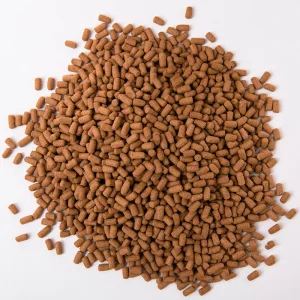
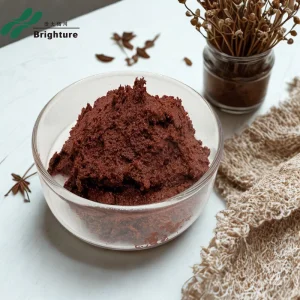
High-Quality Shrimp Feed Composition for Mozambique

High-Protein Catfish & Shrimp Feed Formulation Custom-Tailored for Mozambique Aquaculture

View Product Details
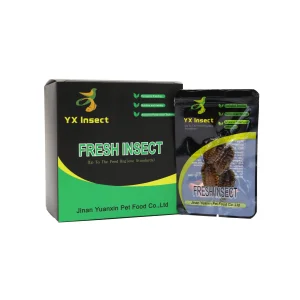
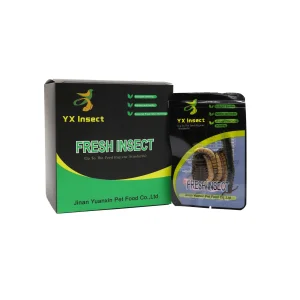
Fresh Dubia Roaches for Aquarium Fish Feed

Fresh Dubia Roaches High-Protein Live-Feed Alternative for Mozambique Juvenile Fish Hatcheries

View Product Details
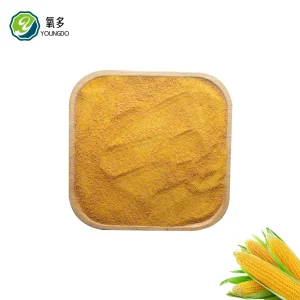
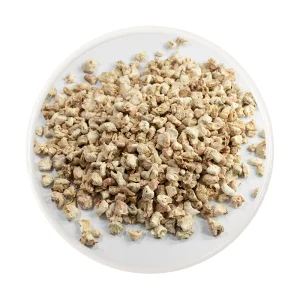
Corn Gluten Meal for Mozambique Aquaculture

Premium Corn Gluten Meal for Mozambique Aquaculture Sinking & Floating Feed Formulations

View Product Details

Mozambique Aquaculture Market Status & Hatchery Landscape

The commercial aquaculture sector in Mozambique is undergoing a structural transition from artisanal, low-input systems to semi-intensive and intensive industrial practices. Key provinces such as Tete, Gaza, Sofala, and Maputo are leading the growth, spurred by extensive river systems, coastal lagoons, and the rising domestic and regional demand for high-quality proteins. However, the bottleneck of this expansion remains the production of robust fingerlings. Without optimized, highly digestible starter feeds, juvenile mortality in Mozambique hatcheries often exceeds critical thresholds, severely impacting economic returns.

Primary Species and Hatchery Demands

Nile Tilapia (Oreochromis niloticus): Cultured predominantly in land-based ponds and cages (e.g., Lake Cahora Bassa). The critical larval transition stage requires micro-pellets with high protein bioavailability (>45% crude protein) to ensure high survival rates and optimal Swim-up fry performance.

African Catfish (Clarias gariepinus): Highly favored for its local market appeal and resilience to low dissolved oxygen levels. Catfish larvae demand highly attractive, nutrient-dense feeds containing high-quality marine proteins (like squid liver and premium fish meal) to prevent cannibalism and promote synchronous growth.

Regional Environmental Challenges

Aquaculture facilities in Mozambique face severe seasonal variations, including high temperatures and rainfall during the wet season, which can lead to rapid water quality deterioration. When starter feeds dissolve too quickly in water, they release excess nitrogen and phosphorus, provoking toxic ammonia spikes. Therefore, local farmers demand extruded micro-pellets with advanced water stability that can maintain physical integrity for at least 120 minutes while remaining soft enough for delicate juvenile mouth parts.
45%+
Crude Protein Content
<1.2
Feed Conversion Ratio (FCR)
120 Min
Water Stability Guarantee
85%+
Juvenile Survival Rate

Technological Roadmap: Formulating Starter Feed for Maximum Digestibility

At the larval and juvenile stages, fish have underdeveloped digestive tracts lacking fully formed stomachs and complex enzyme activities. Designing starter feed is not merely about crushing adult feed; it requires precision bio-engineering of particle size, extrusion density, attraction profiles, and nutrient availability.

1. Advanced Micro-Encapsulation & Sizing

Our production lines utilize dual-screw extrusion technology to produce micro-pellets ranging from 0.2mm to 1.2mm. By employing micro-encapsulation, we seal essential water-soluble vitamins and amino acids inside a semi-permeable matrix, reducing nutrient leaching into the pond water while ensuring they dissolve efficiently in the alkaline environment of the juvenile fish's midgut.

2. Highly Attractant Proteolytic Profiles

We incorporate low-molecular-weight marine proteins, such as hydrolyzed squid liver powder, which are rich in free amino acids (alanine, glycine, proline) and nucleotides. These act as powerful olfactory and gustatory stimulants, triggering immediate feeding behavior in newly hatched fry and minimizing the critical window of transition from yolk sac to exogenous feeding.

3. Lipid & Phospholipid Integration

Juveniles cannot synthesize highly unsaturated fatty acids (HUFAs) like EPA and DHA in sufficient quantities. Our feed formulations integrate marine fish oil and purified phospholipids. These compounds are critical for cell membrane structure, stress tolerance, and preventing lipid accumulation in the liver, leading to uniform growth and resistance to physical handling.
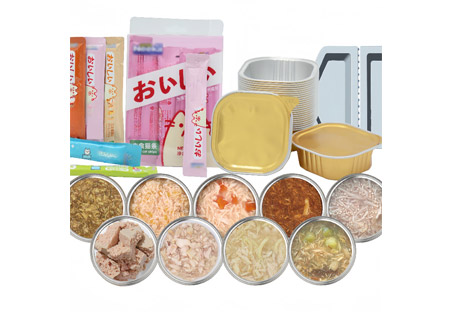
Hangzhou Pawlix Pet Co., Ltd. — Your Global Aquaculture Partner

Hangzhou Pawlix Pet Production Facility

Hangzhou Pawlix Pet Co., Ltd. is a professional manufacturer specializing in aquaculture feed and functional pet treats, delivering comprehensive nutrition solutions for both fish farming and companion animal health. Based in Hangzhou, China, the company combines advanced feed technology with scientific formulation to support sustainable aquaculture and improve pet well-being.

In the aquaculture sector, Pawlix Pet offers a wide range of high-performance feeds, including floating and sinking pellets, shrimp and fish feed, and nutrient-enriched formulations designed to promote fast growth, enhance immunity, and optimize feed conversion rates. The company focuses on maintaining water stability and reducing waste, helping aquaculture operations achieve higher efficiency and environmental sustainability.

For the pet industry, Pawlix develops functional dog and cat treats tailored to specific health needs such as digestion support, joint care, skin and coat improvement, and calming effects. Using carefully selected ingredients and strict quality control standards, Pawlix ensures safe, nutritious, and palatable products for pets.

With strong R&D capabilities, modern production facilities, and global export experience, Hangzhou Pawlix Pet Co., Ltd. provides OEM and customized solutions to meet diverse market demands. Committed to innovation, quality, and customer satisfaction, Pawlix aims to be a trusted partner in aquaculture nutrition and pet health worldwide.
Pawlix Quality Inspection & Research

Supply Chain Resilience: China to Mozambique Direct Logistics

Operating an industrial hatchery in Beira, Maputo, or Nacala requires absolute predictability of the supply chain. Feed stockouts can disrupt fry growth cycles, resulting in economic losses. Hangzhou Pawlix Pet Co., Ltd. has developed robust logistics frameworks to solve these localized challenges.

Optimized Shipping and Port Handling

Leveraging our proximity to major international ports in Ningbo and Shanghai, we orchestrate direct marine shipments to the Port of Maputo and the Port of Beira. Our logistics department handles complex import documentations, ensuring rapid custom clearance to prevent heat damage or humidity degradation at port storage zones.

Moisture-Barrier & Hermetic Packaging

Mozambique's tropical climate exposes feed to extreme ambient relative humidity, promoting mold and mycotoxin contamination. All our starter feed containers are packed in heavy-duty, multi-layer woven polypropylene bags with integrated high-barrier polyethylene inner liners. This design prevents moisture ingress and locks in nutritional freshness during sea transit and local storage.
Full Product Line & Feed Additives for Mozambique Aquaculture

ISO/FDA Enhance Color Formula

ISO/FDA Certified Color Enhancing Premium Starter Feed for Mozambique Ornamental & Juvenile Fish

View Product Details
Choline Chloride for Fish Feed

High-Grade Choline Chloride 60% Corn Cob Base for Mozambique Tilapia & Poultry Feed Premix

View Product Details
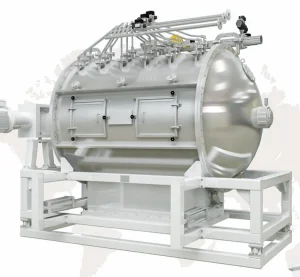
Animal Feed Processing Machine

Commercial Animal Feed Pellet Extruder Machine Optimized for Mozambique Hatchery Setup

View Product Details
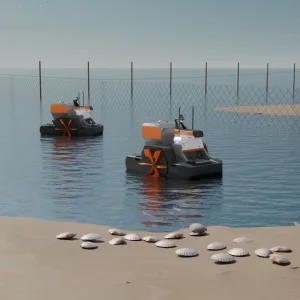
Precision Feed Distribution USV

Unmanned Precision Feed Distribution USV Technology for Mozambique Large-Scale Fish Farms

View Product Details
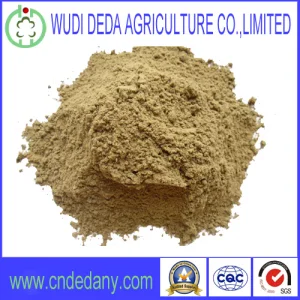
Fish Meal for Poultry & Livestock

Premium Marine Fish Meal High-Protein Supplement for Mozambique Juvenile Fish Starter Feeds

View Product Details
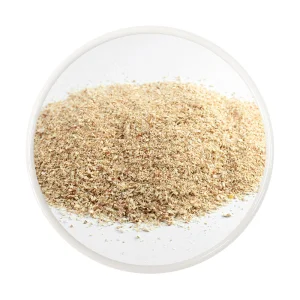
Natural Rice Husk Powder

Natural Rice Husk Powder Premium Fiber Source for Mozambique Farmhouse Aquaculture Feed

View Product Details
Fresh Rice Bran Rice Husk Powder

Fresh Rice Bran and Natural Husk Fiber Concentrate for Mozambique Tilapia Hatchery Feeds

View Product Details
Special Ornamental Fish Feed

Special Ornamental Juvenile Fish Feed Formulation for Maputo and Beira Hatcheries

View Product Details
Choline Chloride Corn Cob

Premium Choline Chloride 60%/75% Corn Cob Binder & Feed Premix for Mozambique Fish Farms

View Product Details
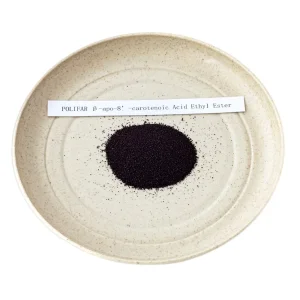
Wholesale Feed Grade Colorant

Wholesale Feed Grade Colorant Apoester 10% for Mozambique Yellow & Pink Tilapia Species

View Product Details
Fish Feed Toxin Binder

Mycotoxin Binder and Water Purifier Feed Additive for Mozambique Aquaculture Systems

View Product Details
Corn Gluten Meal 60% Protein

Corn Gluten Meal 60% Protein Concentrate Feed Grade for Mozambique Tilapia Hatcheries

View Product Details

FAQ: Technical Starter Feed Strategies for Mozambique Hatcheries

Why is starter feed digestibility so critical for juvenile fish in tropical climates like Mozambique?
In tropical temperatures, metabolic rates in juvenile fish (such as Nile Tilapia and African Catfish) are exceptionally high. However, their enzymatic digestive system is still developing. High-temperature water also accelerates bacterial growth and rapid organic waste decay. If a starter feed is not highly digestible (e.g., lacks pure marine proteins like squid liver powder or premium fish meal), the fish cannot absorb nutrients efficiently. This leads to high feed conversion ratios (FCR) and increased organic excretion, which rapidly pollutes the tanks and triggers dangerous ammonia and nitrite spikes.
What are the standard lead times and logistics routes from Pawlix Pet (Hangzhou, China) to Mozambique?
Typically, sea transit from Shanghai or Ningbo port to the Port of Maputo or Port of Beira ranges between 28 and 38 days. We work with leading global shipping lines to offer refrigerated or highly dry/ventilated containers. To ensure smooth local customs clearance, we prepare comprehensive international documentation including Certificates of Origin, Phytosanitary Certificates, commercial invoices, packing lists, and custom analysis sheets matching Mozambican import regulations.
How does the addition of Toxin Binders benefit African aquaculture farms?
Mozambique experiences high humidity levels, particularly in coastal zones such as Beira and Quelimane. These environmental conditions are ideal for the propagation of mycotoxin-producing molds (such as Aspergillus and Fusarium) in feed storage areas. Incorporating an active aquaculture toxin binder into the feed formulation prevents systemic toxin absorption in the gut of juvenile fish, protecting hepatic functions, stabilizing immunity, and preventing sudden mortality outbreaks.
Can your starter feeds be customized for species other than Tilapia?
Yes. While Tilapia remains a primary species in inland Mozambique aquaculture, our research facility regularly formulates custom diets for African Catfish (Clarias gariepinus), marine shrimps (such as Penaeus monodon cultivated in the coastal mangrove systems of Sofala), and various ornamental fish species. We adjust fat ratios, protein sourcing, sinking speeds, and particle diameters to align with the specific feeding habits and anatomical requirements of each target species.

Accelerate Your Hatchery Performance Today

Partner with Hangzhou Pawlix Pet Co., Ltd. to secure premium, scientifically engineered starter feed formulations. Minimize juvenile mortality, improve feed conversion ratios, and scale your commercial fish farming operations in Mozambique.

Send Inquiry Now