Deploying state-of-the-art formulations and machinery engineered to reduce feed conversion ratios and enhance environmental circularity.
The rapid expansion of the global blue economy demands an urgent paradigm shift toward environmentally friendly farming methodologies. In the modern aquaculture sector, feed formulation and manufacturing technologies represent the single largest lever for environmental impact mitigation and operational profitability. Hangzhou Pawlix Pet Co., Ltd. stands at the forefront of this industrial transformation. As a leading manufacturer specializing in aquaculture feed and functional pet treats, the company delivers comprehensive, scientifically grounded nutrition solutions that bridge the gap between intensive fish farming yields and environmental stewardship.
Our core operational philosophy focuses on the structural refinement of aquatic diets. By combining advanced thermodynamic feed processing technology with rigorous raw material vetting, Pawlix optimizes digestion kinetics, maximizes protein retention, and significantly reduces the metabolic waste that typically leads to the eutrophication of natural waterways. Whether engineering high-performance floating and sinking pellets or manufacturing specialized processing machinery, our processes conform to strict ecological benchmarks, providing global distributors, commercial farms, and processing facilities with highly viable, future-proof OEM and ODM options.
"Sustainable aquaculture is not merely an environmental obligation—it is a functional business necessity. By refining the digestibility of every single pellet and offering advanced hardware, we empower global growers to increase biomass output while minimizing their spatial and chemical footprint."
Enterprise-scale purchasers, large-scale farming conglomerates, and international distributors face unprecedented scrutiny regarding supply chain transparency and ESG (Environmental, Social, and Governance) parameters. In the contemporary procurement landscape, securing a manufacturing partner capable of meeting both volume demands and strict sustainability certifications is paramount. Global enterprises must navigate multiple operational and regulatory vectors when selecting an OEM/ODM supplier:
Complete verification of ingredient origins is mandatory. Procurement departments require strict chain-of-custody documentation, ensuring that plant proteins do not contribute to land deforestation and that marine proteins are harvested from MSC-certified, sustainable fisheries.
Minimizing the greenhouse gas footprint of transcontinental shipping. Global buyers prioritize factories that use high-efficiency cargo systems, bulk-freight arrangements, and local ingredient sourcing to offset transportation-related emissions.
Factories must actively optimize processing loops. Using co-product streams, utilizing solar-assisted processing facilities, and minimizing thermal waste through advanced heat-recovery systems are critical requirements for Tier-1 supply partners.
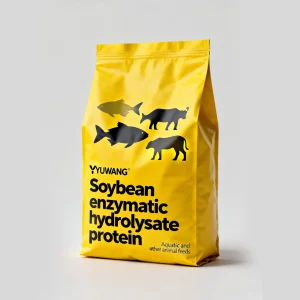
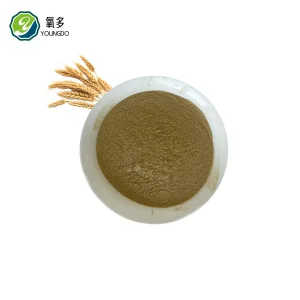
To satisfy these demanding protocols, Hangzhou Pawlix Pet Co., Ltd. implements a multi-layered quality assurance matrix. Our formulations actively utilize innovative, low-impact raw materials, such as enzymatic soy protein and yeast-based protein supplements, which drastically lower the reliance on traditional marine-derived fishmeal. By replacing finite marine ingredients with high-performing, terrestrial alternative proteins, we assist our partners in satisfying strict international supply parameters while maintaining ideal nutritional profiles.
China's manufacturing sector offers unmatched industrial synergy, combining massive capacity with integrated supply loops. Based in Hangzhou, Zhejiang Province, Pawlix leverages this unique industrial cluster to deliver significant technical and cost advantages to our global clientele.
Our strategic proximity to major agricultural processing hubs in China allows us to source premium-grade ingredients, such as enzymatic soy protein, organic minerals, and specialized marine lipids, with zero domestic transport delays. This localized supply network guarantees constant feedstock availability, shielding our international partners from the raw material shortages that frequently disrupt Western supply chains.
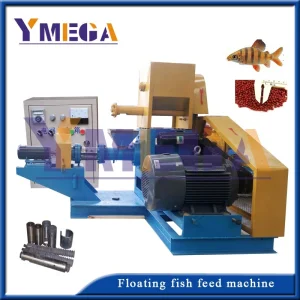
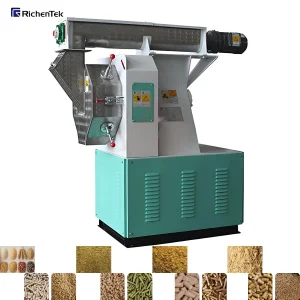
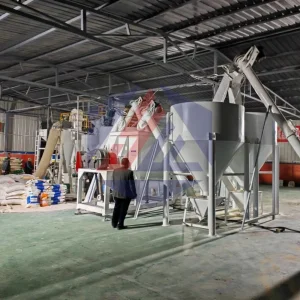
Beyond formulation, Pawlix integrates state-of-the-art domestic extrusion technology. China's machinery engineering clusters produce highly precise control systems for feed extruders, allowing us to maintain granular control over pellet density, expansion rates, and moisture content. This mechanical excellence is reflected in our robust export of specialized hardware, including the Shrimp Crab Pellet Feed Extruder Machine and the Aquaculture Feed Fish Shrimp Float Machine. By manufacturing both the feed and the processing machinery, we offer a comprehensive technical perspective that standalone feed mills cannot duplicate.
Located just hours away from the world-class ports of Ningbo and Shanghai, our logistics network handles bulk container shipping with maximum efficiency. This geographical advantage minimizes freight transit times and reduces holding costs, ensuring that freshly manufactured feeds reach regional distributors in Europe, the Americas, and Southeast Asia with their nutritional values fully preserved.
Aquaculture is an inherently local science. Environmental variables, water chemistry, seasonal shifts, and the physiological needs of the target species vary significantly across different geographical regions. Consequently, a rigid, "one-size-fits-all" feed product is insufficient for modern high-intensity farming. Pawlix addresses this challenge through agile ODM formulation adjustments and thorough localization services:
In warm tropical environments (such as Southeast Asia), fish metabolic rates accelerate, necessitating feeds with rapid oil absorption, excellent water stability, and highly digestible proteins to prevent organic overloading of pond systems. In colder climates, we adjust formulations to deliver high-energy fats, ensuring optimal thermal regulation and growth performance for species like salmon and trout.
Regulatory approval is critical for international trade. Pawlix products comply with EU feed regulations, US FDA guidelines, and regional biosecurity standards across Latin America and Asia. We provide complete certification dossiers, including sanitary certificates, non-GMO declarations, and phytosanitary verifications, ensuring hassle-free customs clearance and regulatory alignment.
To highlight the practical efficacy of Pawlix formulations, we look at several real-world farming environments where customized nutritional feeds play a critical role:
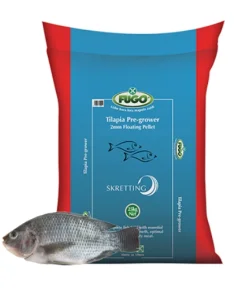
Using high-density floating pellets, such as our Tilapia Fingerling Grower Complete Feed, allows farmers to easily monitor feeding activity. The excellent float stability (exceeding 12 hours) prevents pellets from dissolving prematurely, keeping water clarity high and minimizing biological oxygen demand (BOD).
Bottom-dwelling crustaceans require highly durable, sinking feeds that remain intact on the pond floor. Utilizing specialized sinking pellet extruders, Pawlix creates dense, water-stable pellets that resist disintegration, ensuring bottom feeders receive complete nutrition without polluting their habitat.
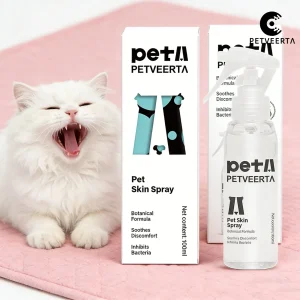
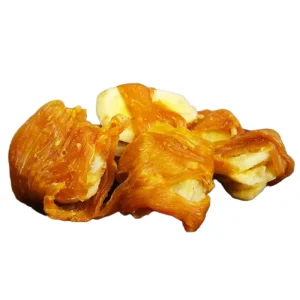
Leveraging our dual expertise in pet health, our research facility extracts functional lipids and proteins from clean aquaculture streams to manufacture premium, health-focused companion animal products, including skin-soothing pet sprays and calming supplements.
As we look toward the future of the blue economy, several macro-technological trends are reshaping feed manufacturing processes:
The aquaculture industry is moving away from its reliance on wild-caught ocean forage. The future belongs to alternative circular raw materials. Technologies utilizing yeast-based protein, insect-derived meal, and microalgae lipids are stepping in to replace traditional fish oils and fishmeal. These alternative ingredients help stabilize supply costs and dramatically lower the environmental carbon footprint of aquaculture operations.
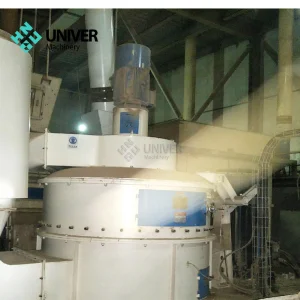
Modern pellet manufacturing relies on exact computerized tracking systems. Modern extruders use real-time sensors to adjust moisture levels, heating profiles, and barrel pressure, ensuring every run of floating or sinking feed has uniform density, water durability, and optimal digestibility.
Rather than simply promoting rapid weight gain, modern diets are formulated to actively boost immune health. Natural additives—such as beta-glucans, organic trace minerals, and functional lipids—help strengthen the natural immune defenses of fish and crustaceans, reducing the need for chemical treatments or antibiotics.
Comprehensive range of high-efficiency feeds, advanced extrusion machinery, and premium pet health solutions.
 Pawlix Pet