

Modern aquaculture operations demand a sophisticated convergence of nutrition, physics, and machinery engineering. The global industry is shifting rapidly away from low-efficiency farm-made feeds to scientifically extruded, floating and sinking micro-pellets. This technological evolution requires robust manufacturing equipment capable of maintaining precise thermomechanical cook profiles while retaining maximum bio-availability of sensitive ingredients like proteins, vitamins, and probiotic cultures.
As a leading pioneer in this domain, Hangzhou Pawlix Pet Co., Ltd. stands at the forefront of this industrial transition. Based in Hangzhou, China, Pawlix Pet is a highly specialized manufacturer focusing on both high-performance aquaculture feeds and functional companion animal health treats. By integrating advanced thermodynamic feed technology with scientific formulation methodology, the company supports intensive, sustainable global aquaculture and optimizes animal well-being on an industrial scale.
Whether designing complete machinery configurations for commercial feed mills or manufacturing optimized feed formulations, Pawlix Pet ensures every system and batch conforms to the highest international standards. The cornerstone of our machinery offering is compliance with the European Conformity (CE) directives, giving plant operators globally the absolute assurance of structural safety, electromagnetic compatibility, and operational reliability under intensive round-the-clock factory environments.
The global aquaculture feed market is projected to expand significantly, driven by the escalating demand for high-protein marine sources and the decline of wild fish stocks. Modern intensive farming systems—such as recirculating aquaculture systems (RAS), marine net cages, and high-density earthen ponds—depend completely on commercially extruded feeds. The physical characteristics of these feeds, including buoyancy, sinking speed, physical durability (PDI), and water-stability, directly determine water quality and species Feed Conversion Rates (FCR).
Historically, feed manufacturing was plagued by problems such as rapid pellet dissolution, which leads to high biological oxygen demand (BOD) in water systems, and structural degradation during pneumatic handling. Advanced extrusion technology addresses these vulnerabilities by applying thermomechanical cooking. The starch portion of the formula undergoes gelatinization under high heat (90°C–140°C) and pressure, creating an expanded, cohesive matrix that traps air pockets for floating feeds, or is densified to create targeted, uniform sinking profiles.
Reducing FCR from 1.5 to 1.1 yields substantial cost reductions in large-scale operations. High water-stability ensures fish ingest the feed before nutrients leach into the water column.
Extrusion allows for the inclusion of highly sensitive functional additives, such as gut probiotics and natural colorants, without thermal degradation during the manufacturing process.
Stringent food safety standards require that feed mill machinery prevent microbial contamination, necessitating hygienic designs that are easily sanitized and certified under CE directives.
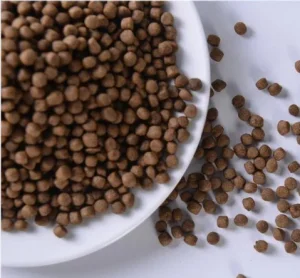
To cater to diverse species such as Salmonids (requiring high-energy, oil-rich sinking feeds), Tilapia/Carp (requiring stable floating feeds), and Shrimp (requiring water-stable, slow-sinking micro pellets), extrusion parameters must be tightly monitored and regulated. The table below represents the critical baseline processing requirements in modern CE-certified production lines:
| Extrusion Parameter | Floating Fish Feed (e.g., Tilapia, Carp) | Sinking Fish Feed (e.g., Salmon, Trout) | Micro Pellet/Shrimp Feed |
|---|---|---|---|
| Target Starch Content | 20% - 25% (High Expansion) | 10% - 15% (Low Expansion) | 12% - 18% (Dense Structure) |
| Extruder Moisture Profile | 22% - 26% | 26% - 30% | 28% - 32% |
| Specific Mechanical Energy (SME) | 120 - 150 kWh/t | 80 - 110 kWh/t | 90 - 120 kWh/t |
| Barrel Temperature range | 110°C - 145°C | 95°C - 120°C | 90°C - 115°C |
| Vacuum Coating Post-Dry | Optional (low fat absorption) | Mandatory (high fat absorption up to 38%) | Rarely Applied |
| PDI (Pellet Durability Index) | >97% | >98.5% | >99% |
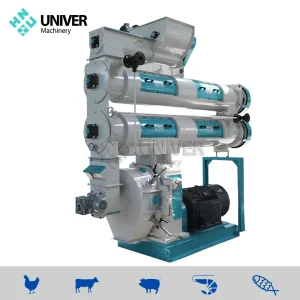
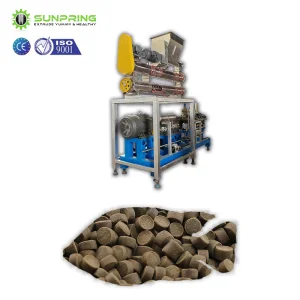
By utilizing specialized single and twin-screw extruder configurations with variable shear capabilities, Hangzhou Pawlix Pet Co., Ltd. machinery ensures high-efficiency throughput. Our conditioning systems inject controlled steam and water to initiate pre-gelatinization, reducing mechanical wear on screw segments and retaining key nutrients within the mash.
Aquaculture is heavily influenced by geography, ambient temperatures, and local water parameters. Production technology must adapt to these localized application scenarios to remain effective:
In regions like Southeast Asia and parts of South America, ambient water temperatures are high, accelerating microbial growth and feed breakdown. Here, manufacturers utilize floating feeds optimized for long buoyancy (up to 24 hours). This allows farmers to monitor feeding behavior visually, preventing overfeeding and subsequent pond eutrophication.
Industrial RAS systems in Europe and North America operating in cold waters require specialized sinking feeds with extremely low dust emission. Any breakage or fragmentation creates suspended solids that clog mechanical bio-filters. High-precision CE certified extrusion technology ensures the pellets are robust, uniform, and sink at a highly predictable rate.
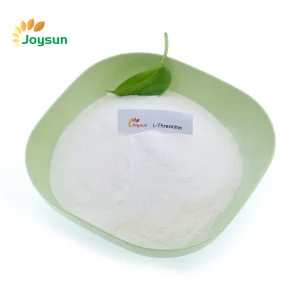
Shrimp are bottom-feeders that chew slowly. Therefore, the feed must have water stability of at least 2 to 3 hours without dispersing. This requires our dense extrusion dies and binder integration, utilizing L-Threonine and Squid Liver Powder as attractants and structural binding partners.
The future of fish food production technology is increasingly defined by smart automation and alternative protein integration. As wild-caught fishmeal becomes cost-prohibitive and environmentally unsustainable, feed mills must run on alternative formulations utilizing insect proteins, algae meals, and single-cell proteins. This introduces mechanical challenges, as these raw ingredients behave differently under shear forces compared to traditional marine proteins.
Next-generation processing plants utilize real-time NIR (Near-Infrared) sensors in the extruder barrel to analyze moisture, protein, and fat content continuously. This data is fed back into the automation PLC, which instantly adjusts the screw speed, water injection, and thermal profile to maintain pellet integrity.
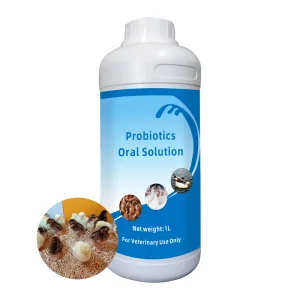
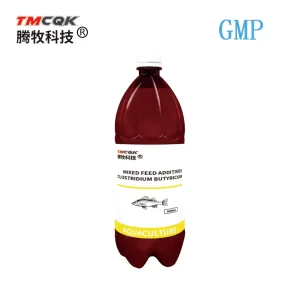
Inoculating feed with heat-sensitive probiotics (such as Clostridium butyricum) is crucial for promoting intestinal health in both livestock and fish. Because high extrusion temperatures sanitize the feed matrix, post-extrusion vacuum coating systems are used to inject liquid probiotics directly into the microscopic pores of the cooled pellets, ensuring high viability and colonizing efficacy in the animal's digestive tract.
Partnering with Hangzhou Pawlix Pet Co., Ltd. provides global buyers with a competitive edge due to the robust industrial supply chain found in Zhejiang province and across China. The combination of advanced engineering networks, raw materials availability, and proximity to major ports guarantees cost-efficiency and supply continuity:
Our CE certification ensures that all equipment complies with the European Machinery Directive 2006/42/EC, Low Voltage Directive 2014/35/EU, and Electromagnetic Compatibility (EMC) Directive 2014/30/EU. This simplifies installation, regulatory approval, and operator safety checks in any global jurisdiction.
Beyond hardware manufacturing, Pawlix Pet offers a comprehensive suite of customized OEM/ODM services, formulation engineering, and technical commissioning. Our engineers provide remote and on-site support to configure raw material handling, pre-conditioning, extrusion, drying, and packaging into a single, cohesive workflow.

 Pawlix Pet