Highly effective growth supplements, enzymatic attractants, and gut stabilizers engineered to boost feed conversion ratios (FCR).
Antigua and Barbuda, situated at the confluence of the Caribbean Sea and the Atlantic Ocean, possesses a rich marine heritage. With tourism generating over 60% of the twin-island nation's GDP, the demand for premium, locally sourced, and sustainable seafood has surged. However, establishing commercial inland and offshore marine farms presents severe physiological challenges for marine organisms.
The tropical Caribbean marine environment faces extreme temperature swings, occasional salinity drops during hurricane seasons, and organic runoff stresses. For farmed species like red tilapia, snapper, grouper, and marine shrimp, these stresses manifest primarily in the digestive tract. Poor gastrointestinal mucosal health leads to reduced feed efficiency, compromised immunity, and pathogen outbreaks like Vibriosis.
Understanding how cellular nutrition, micro-encapsulation, and target release optimize biological performance in warm-water marine species.
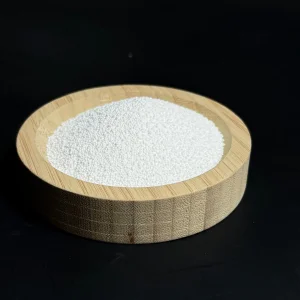
Free butyric acid degrades rapidly in the stomach/foregut. Our specialized, lipid-coated sodium butyrate ensures delivery to the hindgut of shrimp and finfish. Here, it acts as a direct energy source for colonocytes, lengthening intestinal microvilli, and tightening cellular junctions to stop pathogen entry.
Young fish and shrimp cannot synthesize nucleotides fast enough during thermal or osmotic stress. Autolyzed high-protein yeast hydrolysate supplies free nucleotides, essential amino acids, and beta-glucans. These nutrients stimulate local gut immune responses and repair damaged intestinal linings.
Finfish and shrimp in high-salinity marine environments like Antigua's ocean waters lose moisture continuously. Sourcing premium betaine provides methyl donors that optimize cellular fluid balance (osmoregulation), preventing cellular dehydration and preserving metabolic energy for growth rather than salt excretion.
Small Island Developing States (SIDS) like Antigua and Barbuda face substantial barriers to entry in high-grade agricultural input markets. Shipping timelines to Caribbean ports are long, and high relative humidity (often exceeding 80%) leads to feed clumping, oxidation, and nutritional degradation.
Additionally, marine hatcheries in these regions need lower Minimum Order Quantities (MOQs) than large continental farms. However, they still require the same advanced digestive additives like coated enzymes, protected organic acids, and micro-minerals to remain economically viable against imported farmed fish.
Hangzhou Pawlix Pet Co., Ltd. addresses these systemic issues. We offer vacuum-sealed, moisture-proof commercial packaging, custom additive concentrations, and direct container shipping lines to St. John’s port. This ensures the products arrive fresh, active, and ready to use.
How our advanced industrial production infrastructure yields superior quality control and price competitiveness for the Caribbean market.
Standard heat-drying methods destroy functional proteins, active enzymes, and probiotics. Pawlix utilizes low-temperature vacuum extrusion. This technology removes moisture without degrading heat-sensitive nutrients, assuring top-tier performance in fish gut systems.
Precision is key for additives like sodium butyrate and betaine. Our Industry 4.0 factory uses computer-controlled micro-dosing systems that guarantee batch-to-batch consistency with a margin of error under 0.05%, exceeding EU safety standards.
By securing direct access to core raw materials in China, Pawlix insulates international buyers from shipping interruptions. We maintain backup warehouses in port cities to ensure swift dispatch, keeping global supply chains reliable.
Customizing biological interventions for the specific aquaculture configurations used in the Caribbean.
Farming high-value Snapper in open sea cages around Antigua requires feeds with strong water stability. High-purity bentonite binders hold the pellet structural integrity, preventing pellet breakage, lowering nutrient waste, and keeping coral reefs healthy.
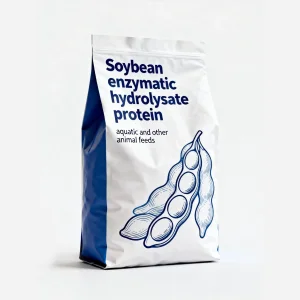
Recirculating Aquaculture Systems (RAS) are highly sensitive to water quality. Using enzymatic protein attractants and digestible yeast hydrolysates lowers ammonia excretion. This reduces filtration loads and optimizes bio-filter performance.
Pond beds are vulnerable to pathogenic vibrio and waste buildup. Incorporating coated sodium butyrate protects the shrimp's digestive tract, while feed-grade betaine HCl stimulates active feeding behavior, even during rainy season salinity drops.
Expand your aquafeed formulations with our comprehensive catalog of raw materials and additives.
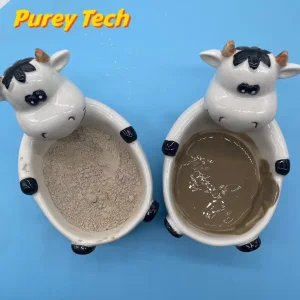
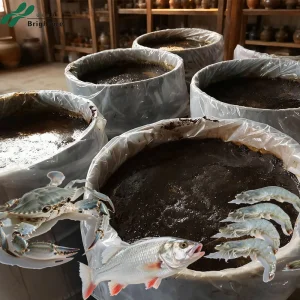
We leverage our advanced drying and processing plants to produce high-palatability pet food ingredients, approved globally.
Find answers to common questions about digestive health aquafeed, shipping logistics, and ingredient specifications.
Partner with Hangzhou Pawlix Pet Co., Ltd. for reliable, high-performance digestive health aquafeeds. Our technical engineers are available to adjust physical and nutritional parameters to match your specific environmental requirements.
Send Inquiry Now Pawlix Pet