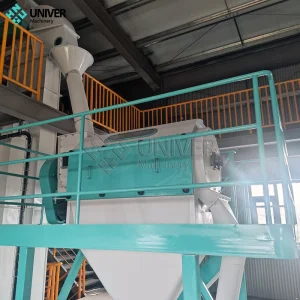
Model NO.
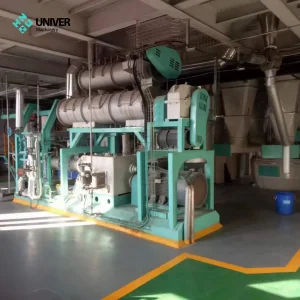
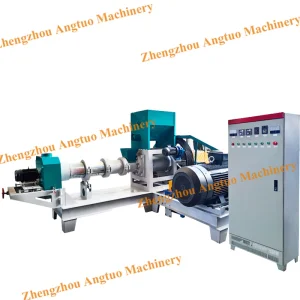
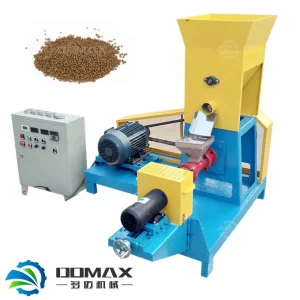
Aquatic feed machine
Processing Object
Animal-Derived Feed
Processing Technics
Crushing-before-Mixing
Screen Mesh
With Screen Mesh
Pellet Mill Type
Screw Granulator
Expanding Method
Wet Expansion
Application
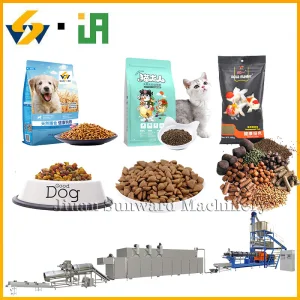
Fish Feed, Dog Feed, Pet Feed
Material
Carbon Steel, 304 Stainless Steel
Motor Brand
Siemens / Weg Brand
Feature
Fully Automatic High Efficiency
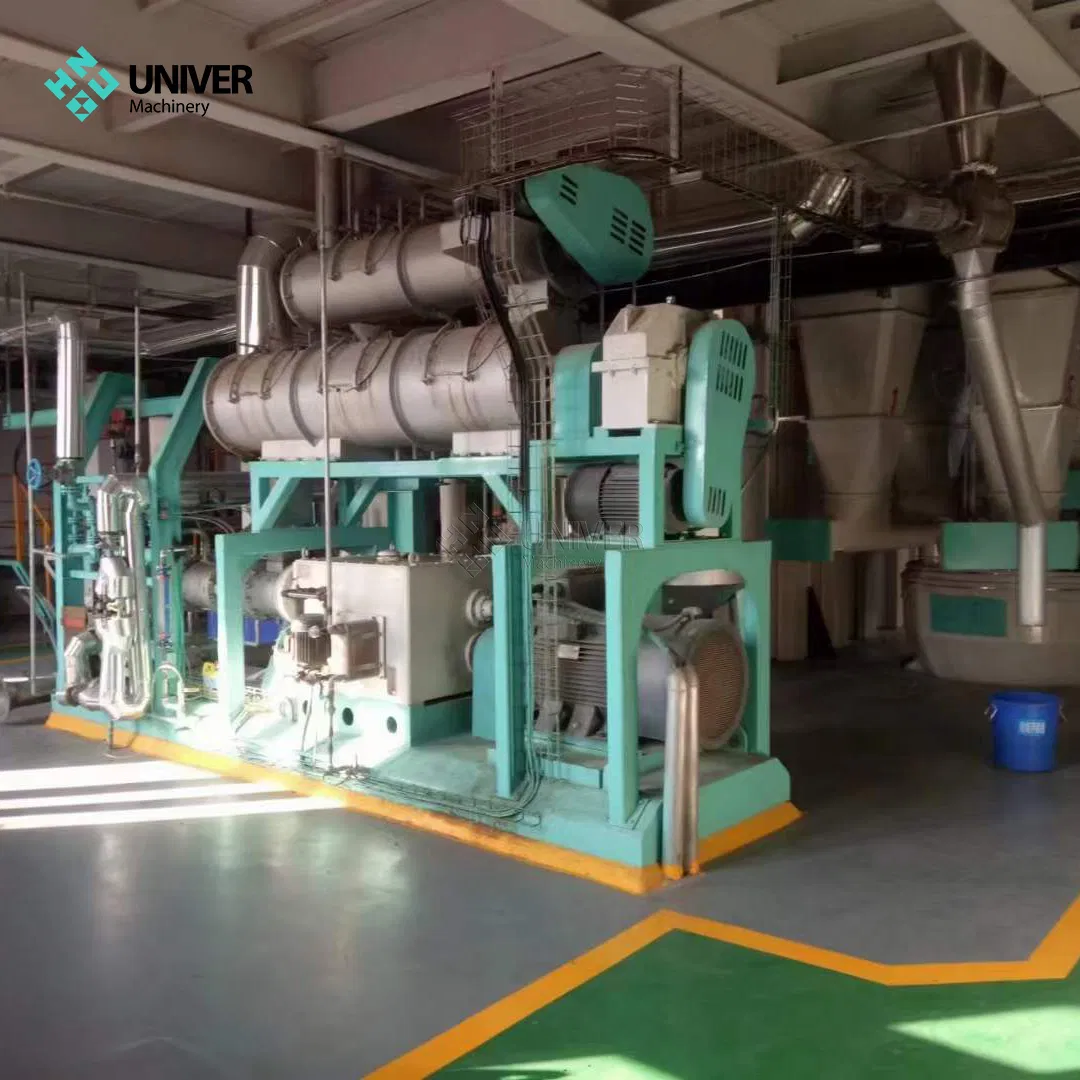
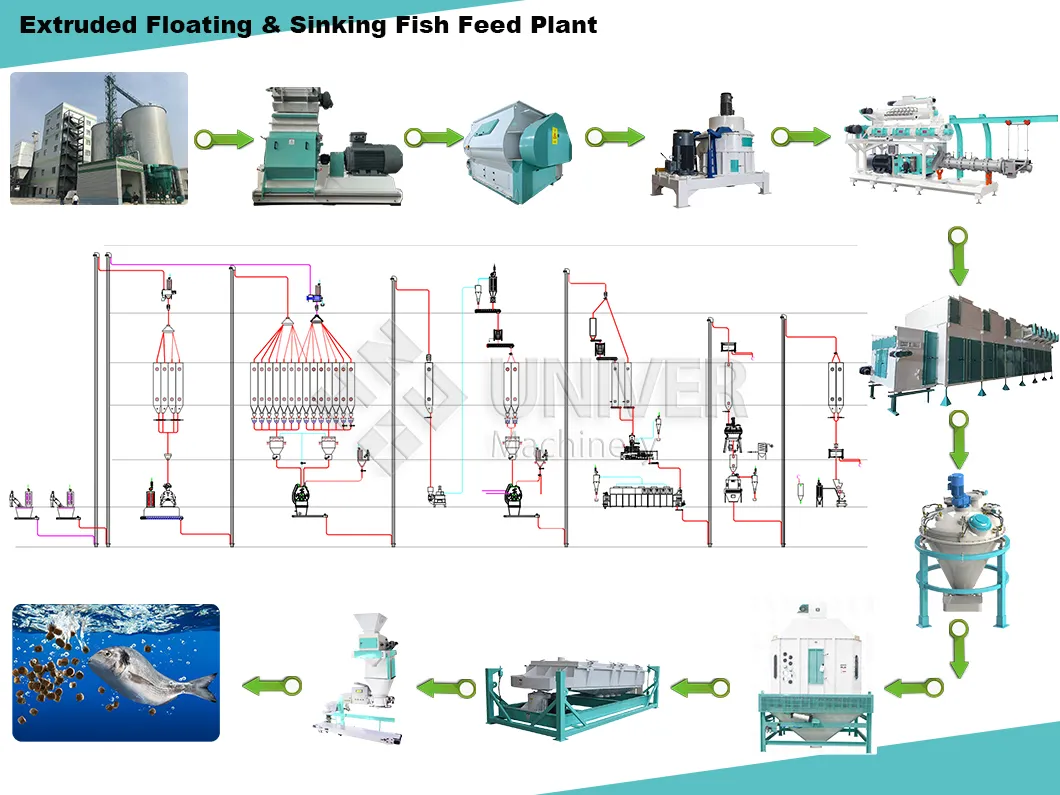
Extruded floating & sinking fish feed plant: The automatic floating fish feed plant is a specialized facility that manufactures floating fish feed pellets for aquaculture. These pellets remain buoyant in water, ideal for fish species like tilapia, catfish, and carp.
- Easy Monitoring: Farmers can observe feed consumption easily.
- Reduced Waste: Minimizes sinking and water pollution.
- Better Digestion: Extrusion technology improves nutrient absorption.
- Customizable: Formulas can be adjusted for different growth stages and species.
✔
Benefits of Building Your Own Plant
Establishing an on-site production line offers significant strategic advantages:
1. Cost Savings
Lower production costs compared to commercial feeds and zero transportation expenses for on-site use.
2. Precise Formulation
Tailor protein, fat, and nutrients for tilapia, catfish, or shrimp at various growth stages.
3. Quality Control
Ensure no harmful additives are used and maintain optimal pellet durability for better water quality.
⚙
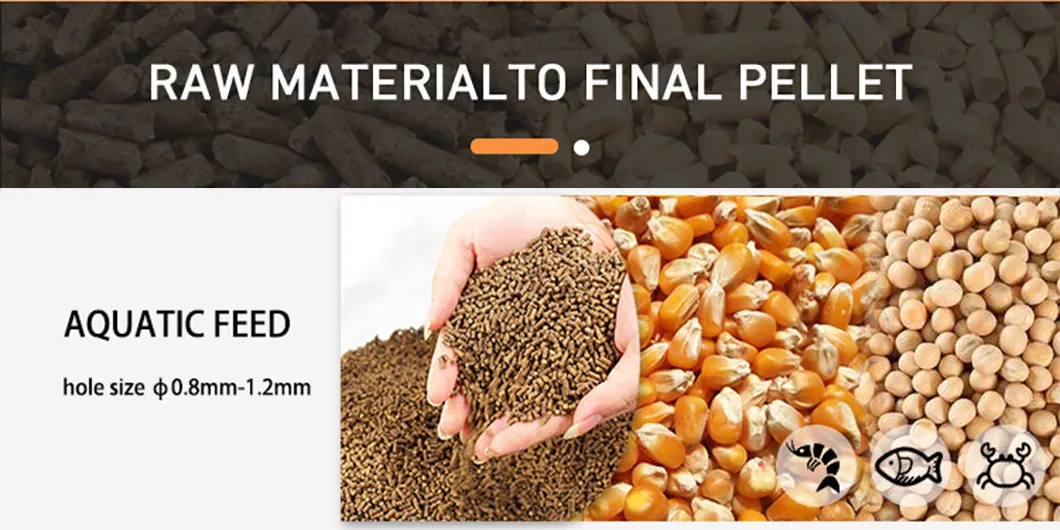
Raw Materials to Final Pellet
| Factor |
Floating (Extruded) Feed |
Sinking (Pelleted) Feed |
| Starch Content | High (20-30%) for expansion | Lower (10-15%) |
| Processing | High-temperature extrusion | Cold pelleting + steam |
| Binder | Starch (expands when extruded) | Lignin, bentonite, wheat gluten |
| Density | Low (expanded, air pockets) | High (compressed, dense) |
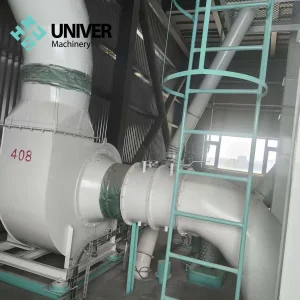
- Grinding System: Hammer mills reduce particle size for uniform formation.
- Mixing System: Ensures precise distribution of vitamins and minerals.
- Extrusion System: The core technology that creates buoyancy through high-pressure cooking.
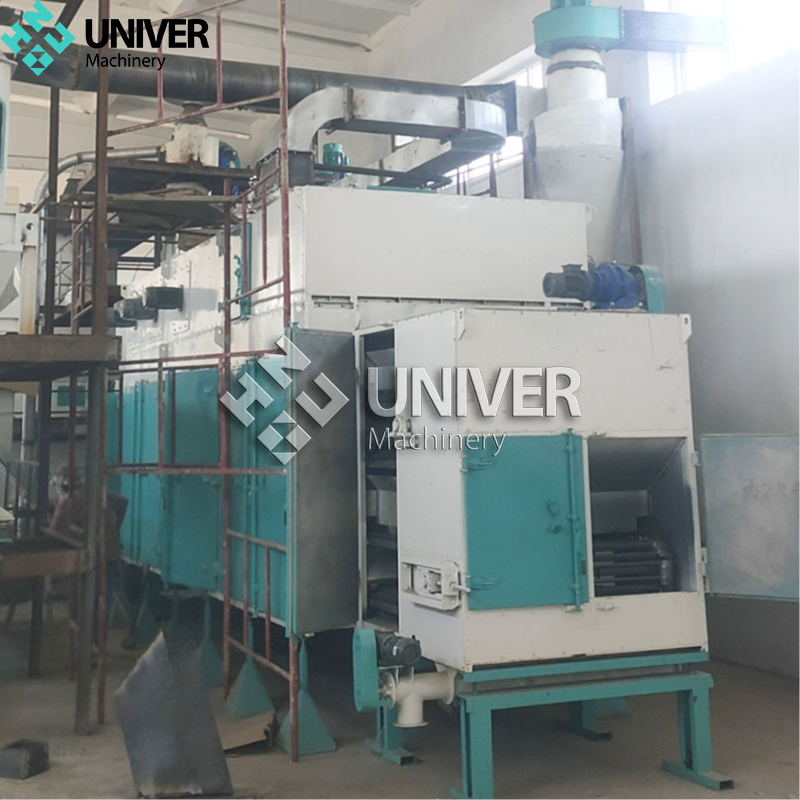
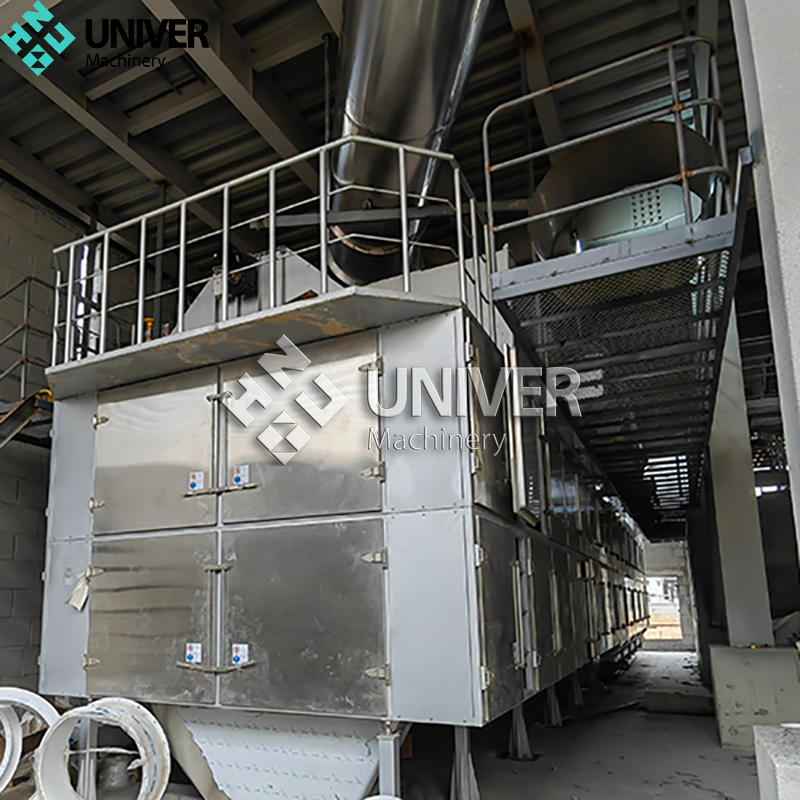
- Drying & Cooling: Removes moisture to ensure long-term pellet stability.
- Packaging: Automated weighing and bagging for distribution.
?
Frequently Asked Questions
Can we produce both floating and sinking fish feed on the same line?
Yes, modern extruders allow for switching between floating and sinking feed types with minimal adjustments to the process.
Is it possible to combine poultry and fish feed production in one factory?
Absolutely. Many main machines in the process sections, such as grinding and mixing, can be used for both poultry and fish feed processing, allowing for a versatile production facility.
How many staff members are required to operate the production line?
For an automatic batching plant, you typically need 7 staff: 2 for raw material feeding, 1 for the extruder, 1 for electrical control, and 3 for final packing and logistics.
Do you provide installation and commissioning guidance?
Yes, engineers are sent to guide the installation and commissioning on-site. Staff training is also provided during this period to ensure smooth operation.
Can raw material silos be connected directly to the feed plant?
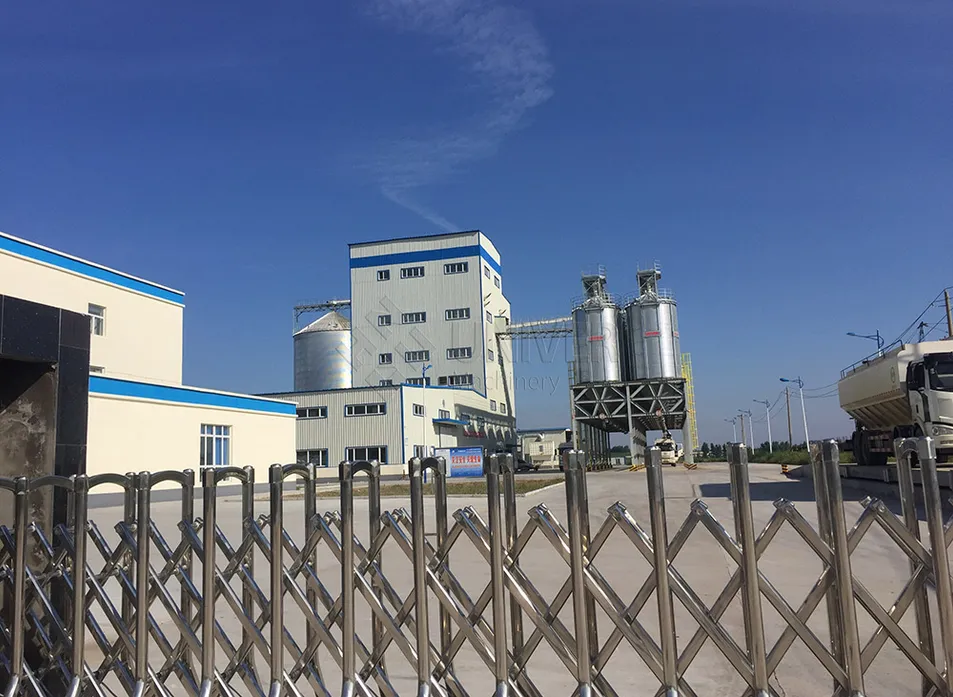
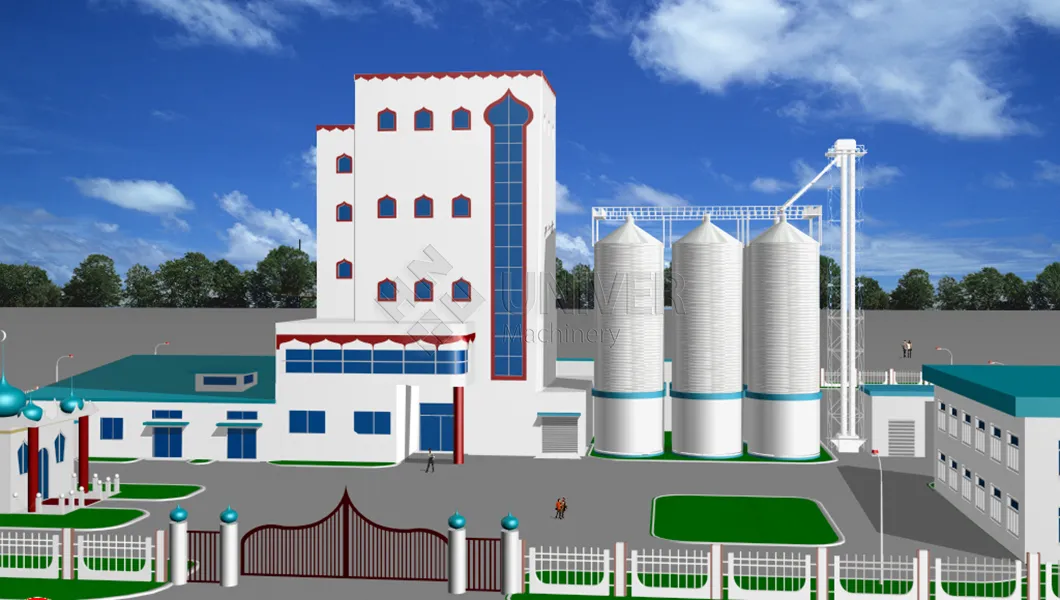
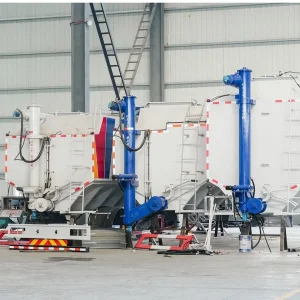
Yes, customized raw material silo solutions can be integrated to supply ingredients directly into the production line, improving efficiency and storage.
What are the benefits of simultaneous equipment and steel frame installation?
Simultaneous installation facilitates coordinated construction, allowing for a better-managed schedule and more precise equipment alignment compared to post-frame installation.
 Pawlix Pet