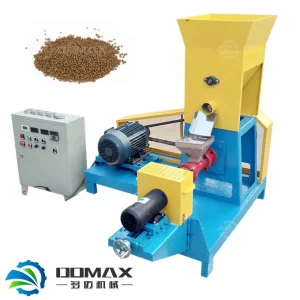
Basic Specifications
| Model NO. |
Animal feed pellet machine |
| Processing Object |
Animal-Derived Feed |
| Processing Technics |
Crushing-before-Mixing |
| Pellet Mill Type |
Screw Granulator |
| Application |
Shrimp, Crab, Fish, etc |
| Capacity |
1-3tph |
| Final Feed Size |
1.0mm-4mm |
| Material |
Carbon Steel, 304 Stainless Steel |
| Voltage |
380V/440V/50Hz/60Hz/3pH |
| Feature |
Fully Automatic High Efficiency |
Product Description
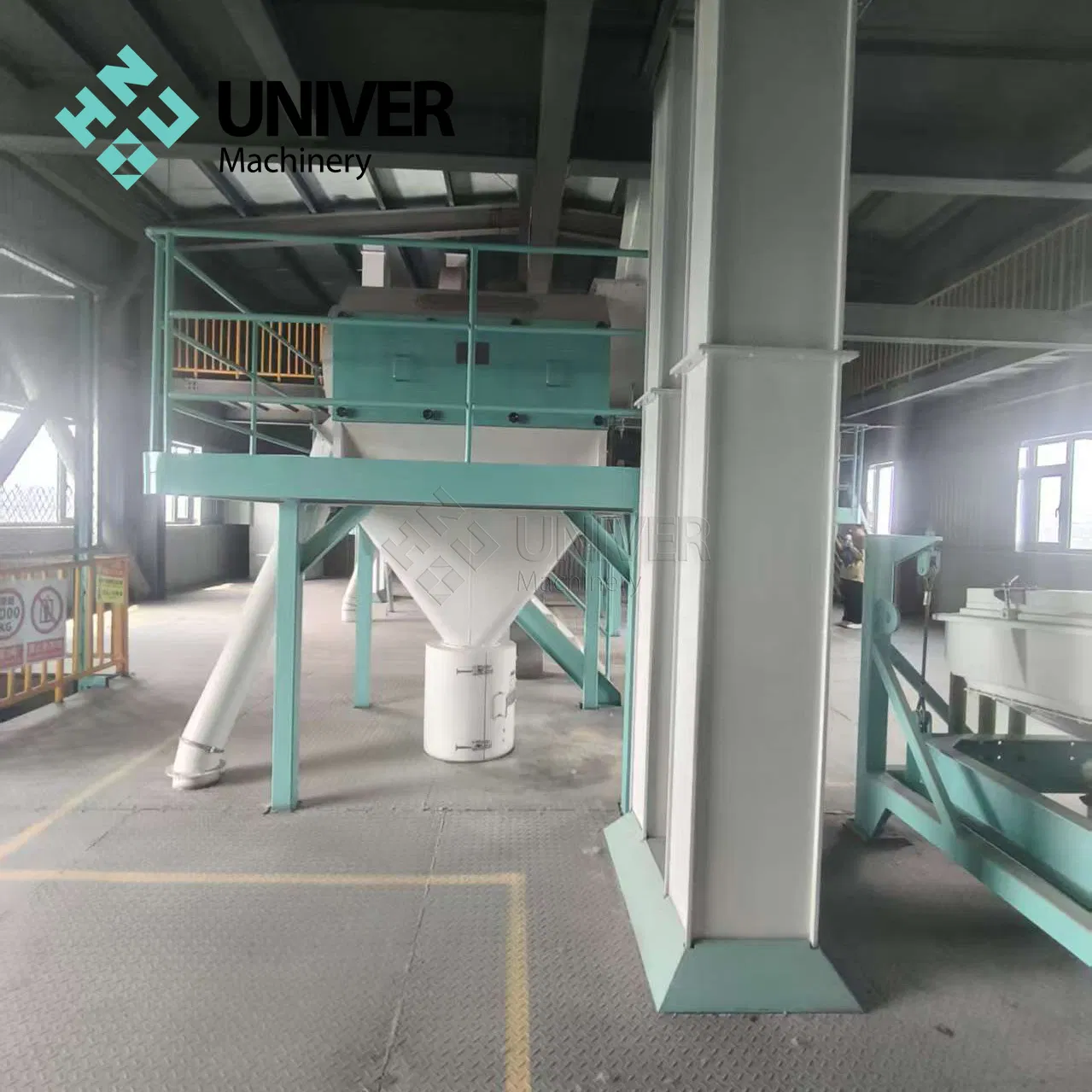
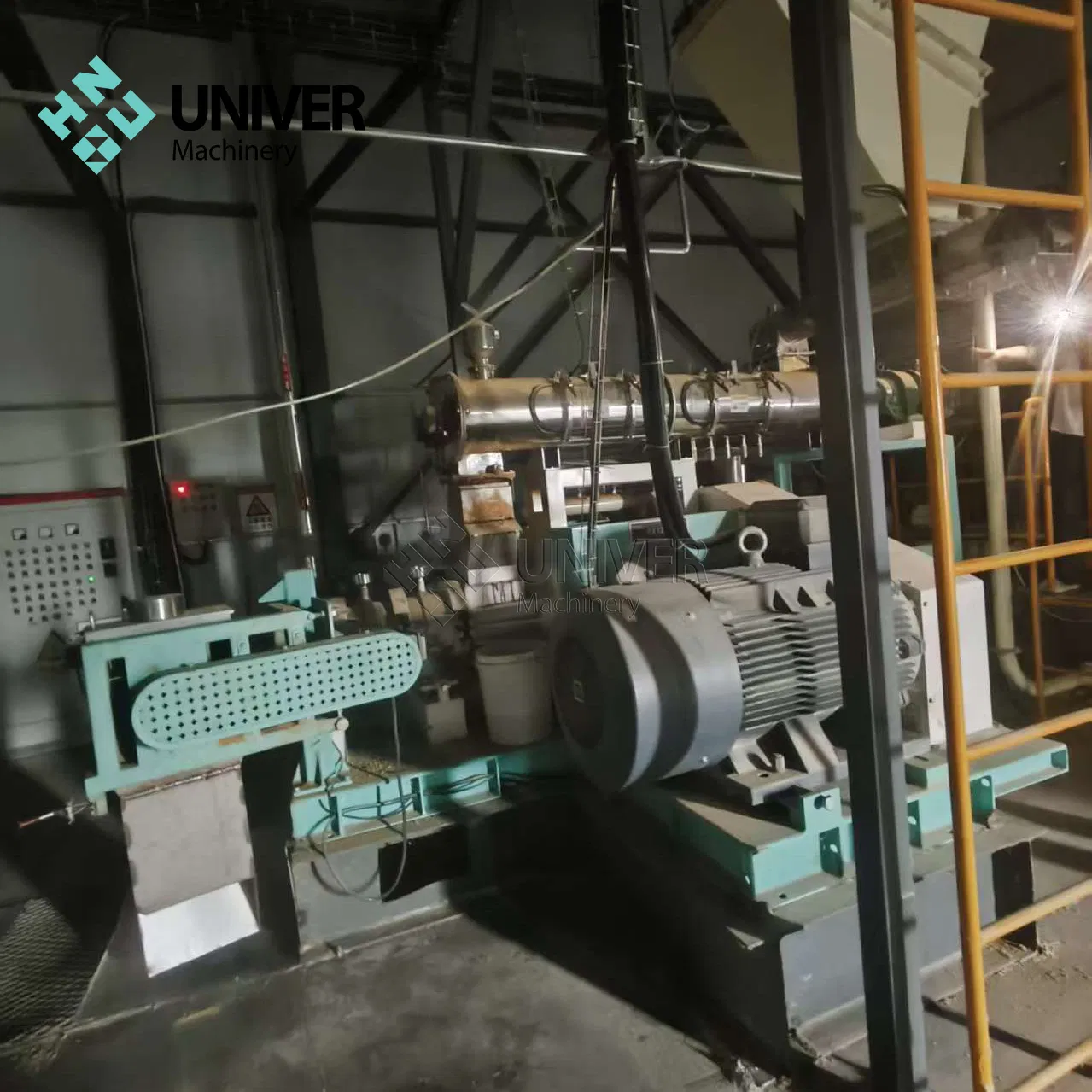
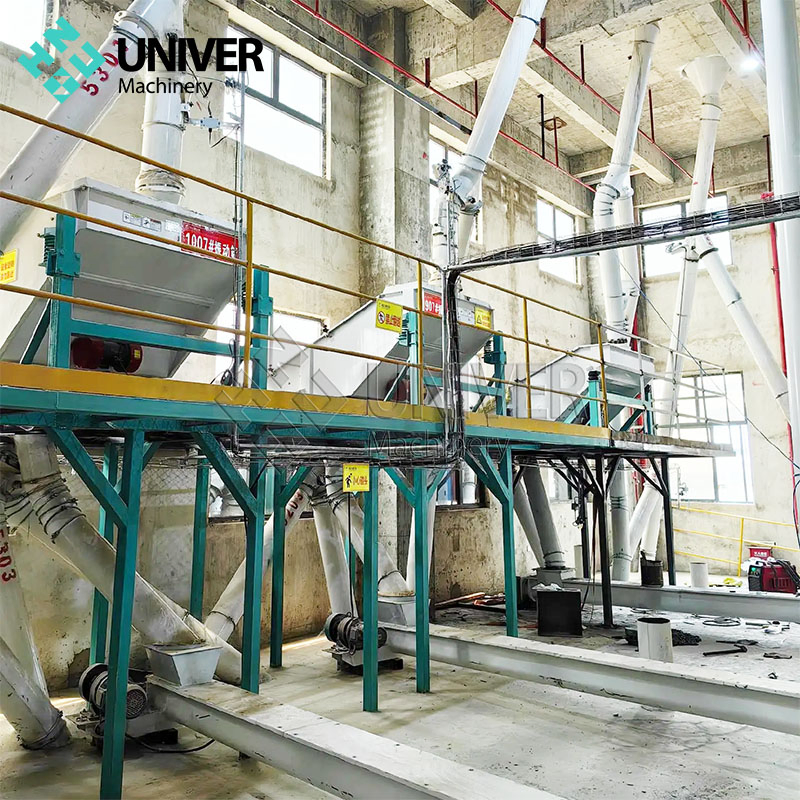
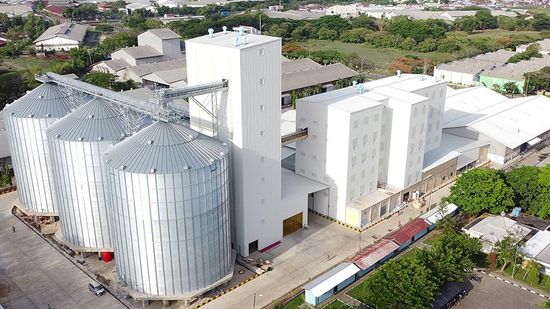
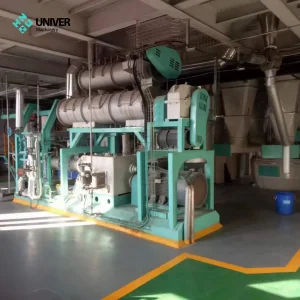
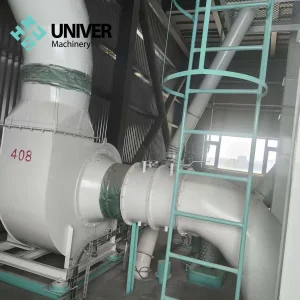
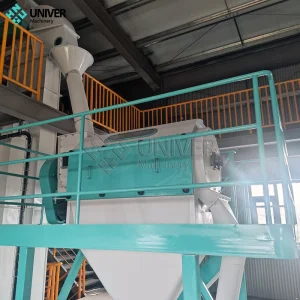
Aquatic Feed Production Line For Shrimp and Crab
Industrial automatic complete shrimp feed production line is a specialized system designed to manufacture high-quality shrimp feed pellets and crab feed pellets, ensuring optimal nutrition, digestibility, and water stability for aquaculture.
1. Water Stability
Pellets must remain intact in water for hours to ensure ingestion and minimize waste.
2. High Nutrition Retention
Controlled extrusion preserves essential vitamins and proteins for optimal growth.
3. Customizable Formulations
Adjustable for different shrimp growth stages including post-larvae, juveniles, and adults.
4. Advanced Automation
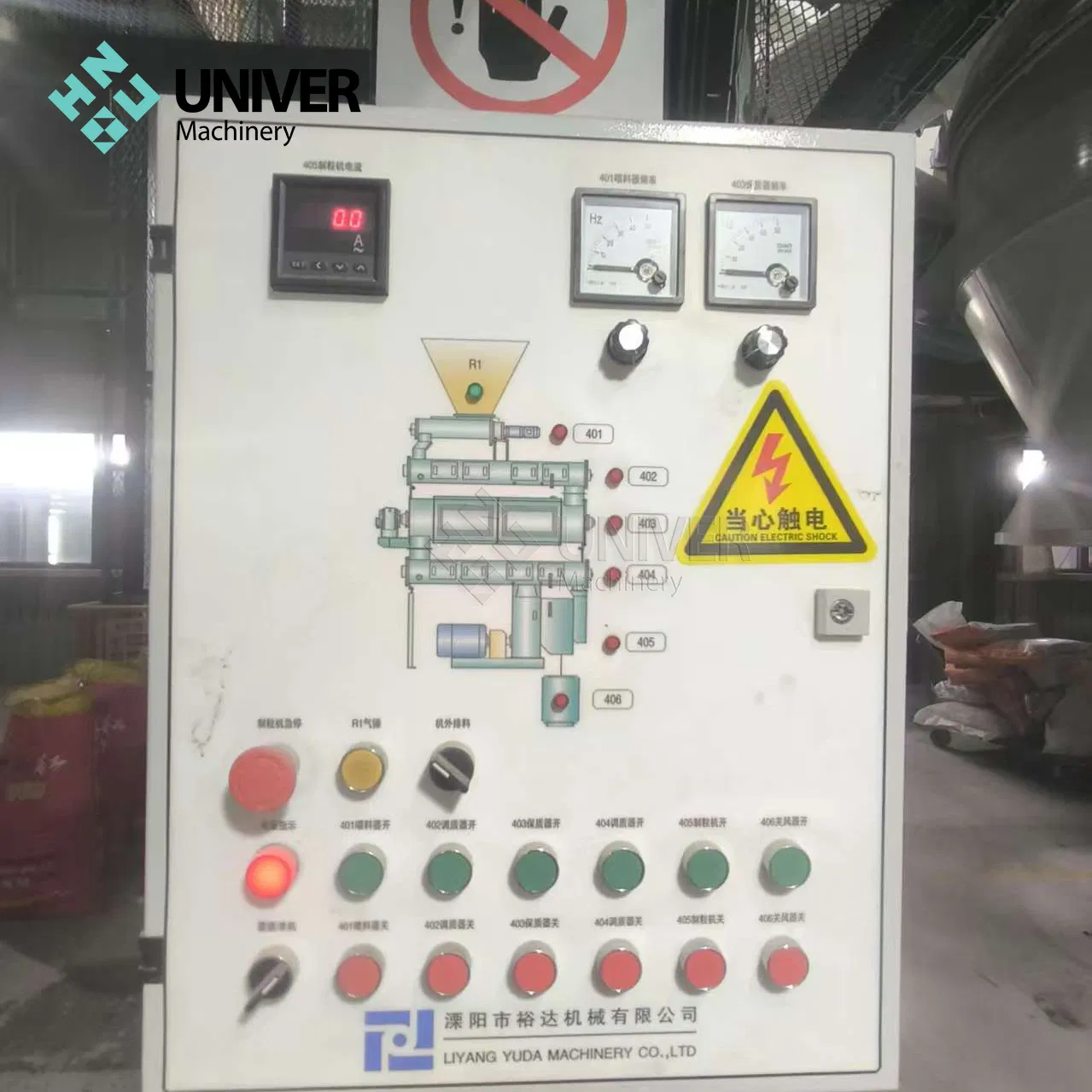
Modern lines use PLC control for high precision and consistent quality output.
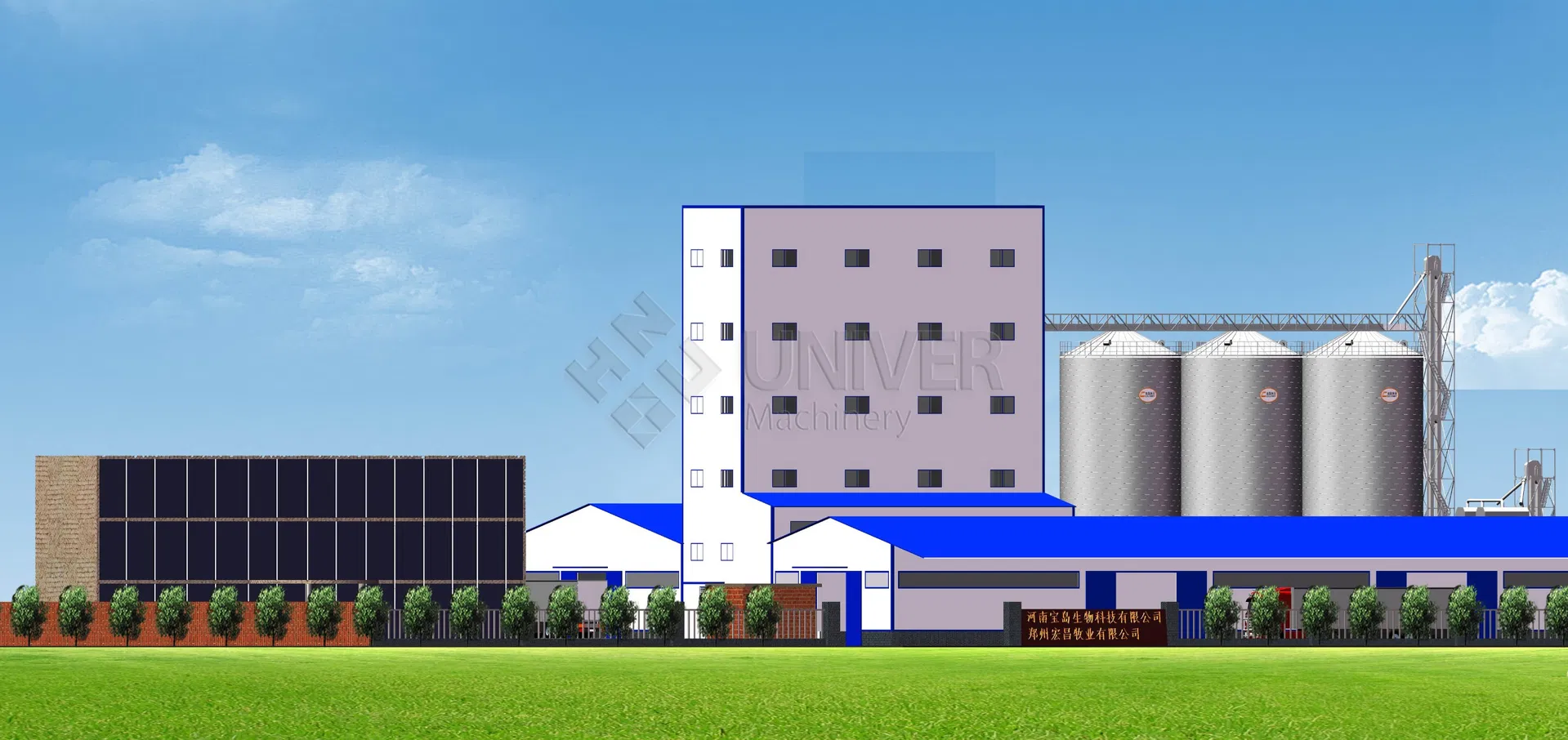
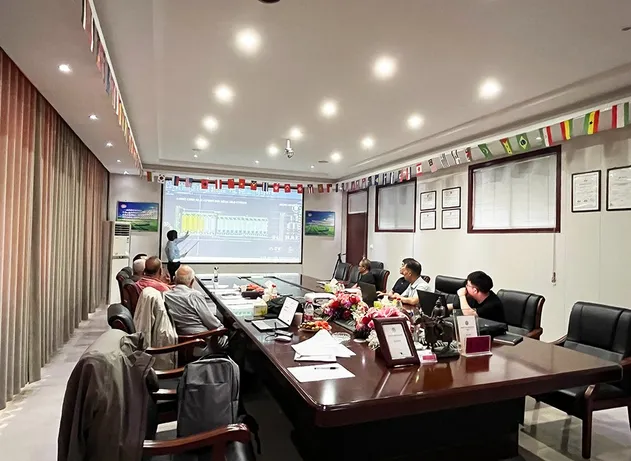
Comprehensive technical services including project layout, process design, equipment manufacturing, installation, commissioning, and technical formulation consultation. We adopt 3D digital design for precise plant planning.
Raw Materials to Final Pellet
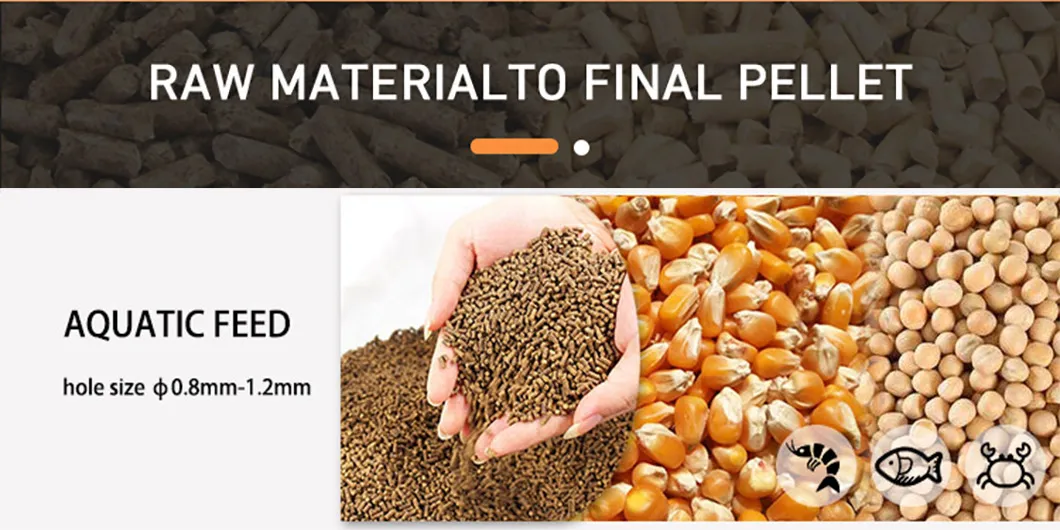
The raw materials for shrimp feed processing can be wheat flour, corn/maize, rice bran, broken rice, sorghum, soya bean meal, cottonseed meal, sunflower meal, fish meal, blood meal, meat and bone meal, fish oil, vitamins & minerals and additives, etc.
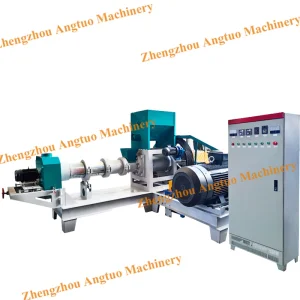
| Shrimp Feed Pellet Mill |
SZLH350 |
SZLH420 |
SZLH508 |
SZLH578 |
| Main Motor power (kw) |
55 |
110 |
132 |
200 |
| Ring die Dia (mm) |
1.8 |
1.8 |
1.8 |
2 |
| Capacity (tph) |
1~1.5 |
1.8~2.5 |
2.0~3.0 |
3.0~5.0 |
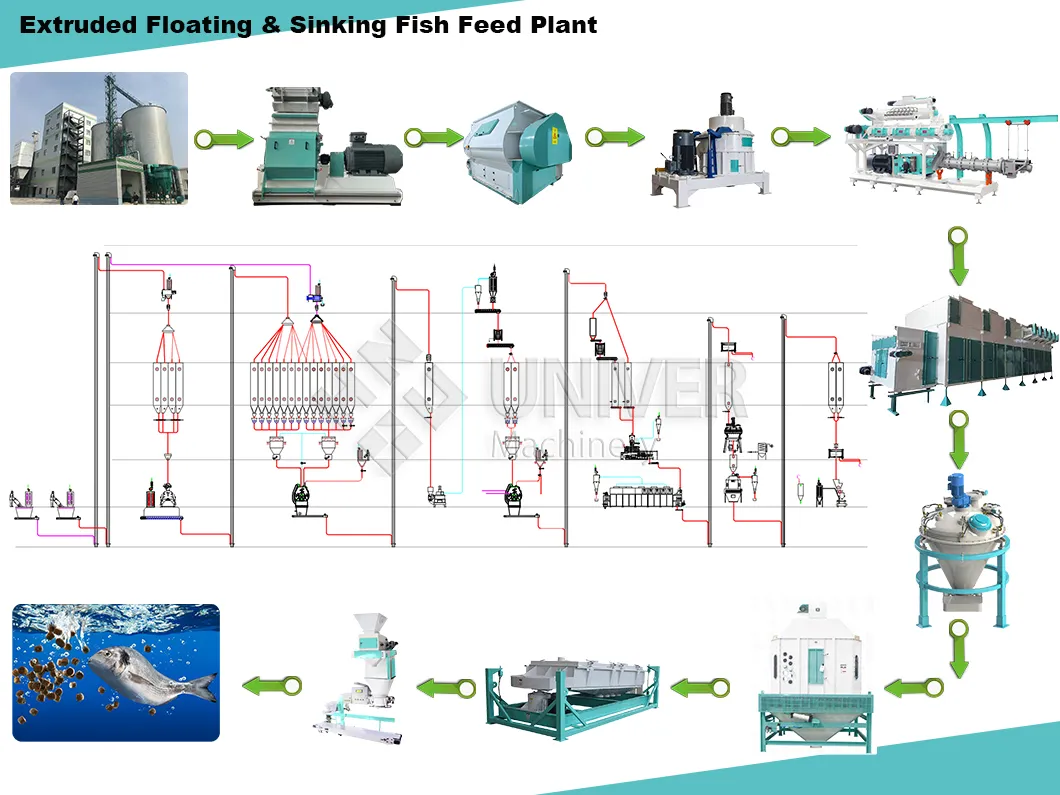
Key Process Stages
- Raw Material Receiving: Storage of fishmeal, soybean meal, and minerals.
- Grinding: Precision particle size reduction for better extrusion.
- Mixing: Uniform blending for nutritional consistency.
- Extrusion: Cooking and shaping into high-stability pellets.
- Cooling & Coating: Moisture reduction and optional oil/flavoring spray.
- Packaging: Automated weighing and bagging.
Frequently Asked Questions
Can we produce floating and sinking fish feed by the same processing line?
Yes, modern extruders allow switching between floating and sinking feed with minimal adjustments to the process parameters.
Is it possible to combine poultry and fish feed production in one factory?
Yes, we can design a dual-purpose factory. Several main machines can be used for both poultry and aquatic feed processing sections to optimize investment.
How should the boiler and transformer be distributed in the plant?
To minimize energy loss, they should be placed as close to the main workshop as possible, ideally within 50 meters.
How many staff members are needed to operate the production line?
For an automatic plant, approximately 7 staff members are required: 2 for raw material feeding, 1 for the extruder, 1 for control, and 3 for packing and logistics.
Do you provide on-site installation and commissioning services?
Yes, engineers are sent to guide the installation and commissioning at your site, and staff training is conducted during this period.
Can you supply and connect raw material silos directly to the feed plant?
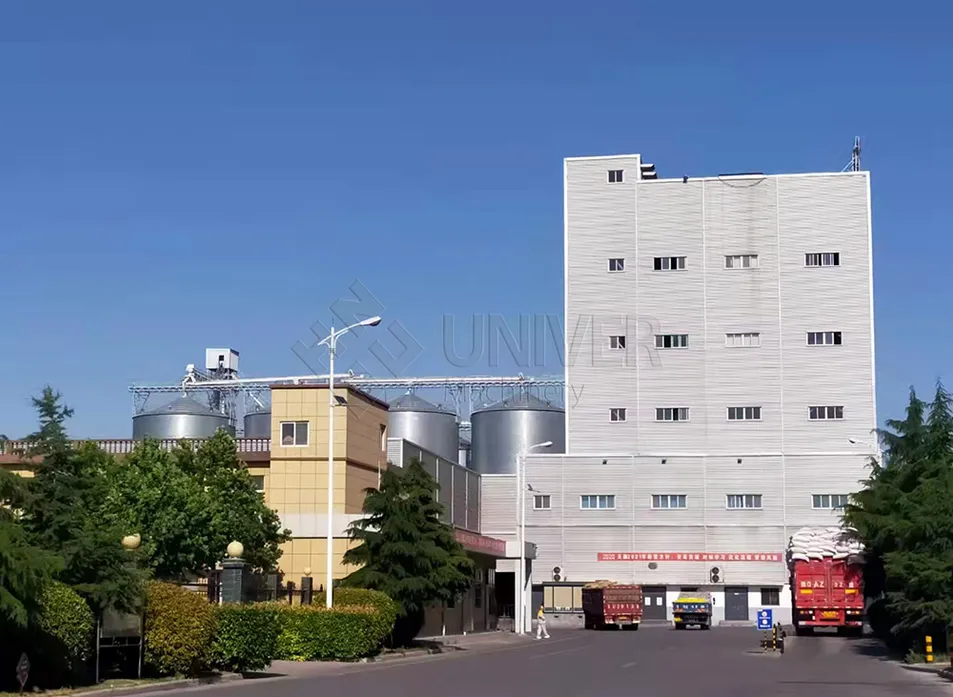
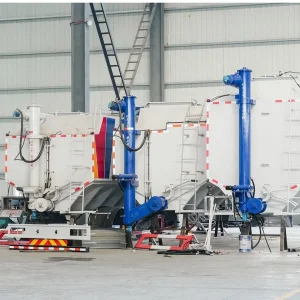
Yes, we provide integrated steel silo solutions that connect directly to the production line for automated material flow.
 Pawlix Pet