Explore our export-ready aquatic feed raw materials, functional additives, processing extruders, and companion animal dietary solutions.

As the global demand for sustainable aquatic protein intensifies, China's role has expanded from a high-volume manufacturing hub into a sophisticated global exporter and supplier of precision-formulated aquafeeds, advanced extrusion machinery, and high-potency nutritional additives.
Modern aquaculture operations across Southeast Asia, Latin America, Europe, and the Middle East require integrated supply chains that minimize logistics bottlenecks while maximizing feed efficacy. China's export networks leverage deep sea freight corridors, temperature-monitored bulk logistics, and specialized freight infrastructure tailored for delicate biological products, high-protein meals, and heat-sensitive micro-encapsulated gut health additives.
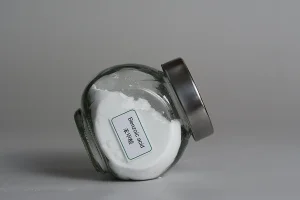
Key network advantages include seamless integration between raw material synthesis (e.g., crystalline amino acids, organic acids like benzoic acid, betaine anhydrous) and finished feed production. By consolidating these raw materials into centralized distribution networks, global importers benefit from economies of scale, strict batch-to-batch consistency, and reduced landed costs per metric ton.
Feed represents between 60% and 70% of total operational costs in commercial finfish and crustacean farming. Consequently, the core objective of wholesale feed distribution centers around lowering the Feed Conversion Ratio (FCR) while promoting robust physiological health.
Advanced distribution networks supply scientifically validated raw materials, such as amino acid-enriched soybean meals, crude fish oils rich in long-chain polyunsaturated fatty acids (PUFA), and functional probiotics. These components act synergistically to preserve intestinal epithelial integrity, enhance digestive enzyme activity, and stabilize water quality in closed-loop Recirculating Aquaculture Systems (RAS) and open pond environments.
Hangzhou Pawlix Pet Co., Ltd. is a professional manufacturer specializing in aquaculture feed and functional pet treats, delivering comprehensive nutrition solutions for both fish farming and companion animal health. Based in Hangzhou, China, the company combines advanced feed technology with scientific formulation to support sustainable aquaculture and improve pet well-being.
In the aquaculture sector, Pawlix Pet offers a wide range of high-performance feeds, including floating and sinking pellets, shrimp and fish feed, and nutrient-enriched formulations designed to promote fast growth, enhance immunity, and optimize feed conversion rates. The company focuses on maintaining water stability and reducing waste, helping aquaculture operations achieve higher efficiency and environmental sustainability.
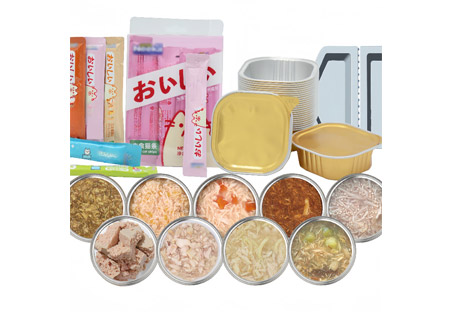
For the pet industry, Pawlix develops functional dog and cat treats tailored to specific health needs such as digestion support, joint care, skin and coat improvement, and calming effects. Using carefully selected ingredients and strict quality control standards, Pawlix ensures safe, nutritious, and palatable products for pets.
With strong R&D capabilities, modern production facilities, and global export experience, Hangzhou Pawlix Pet Co., Ltd. provides OEM and customized solutions to meet diverse market demands. Committed to innovation, quality, and customer satisfaction, Pawlix aims to be a trusted partner in aquaculture nutrition and pet health worldwide.
Institutional aquafeed buyers and global enterprise distributors evaluate suppliers based on multi-dimensional criteria that extend beyond price per metric ton. Understanding these critical procurement drivers is key to building resilient distribution channels.
Commercial pelleted feeds must maintain structural integrity when submerged in fresh or marine waters. Rapid leaching of nutrients leads to elevated nitrogen levels, algal blooms, and oxygen depletion. Export-grade extrusion machinery creates precise pellet density, enabling customized floating or sinking rates with water stability exceeding 3 to 6 hours.
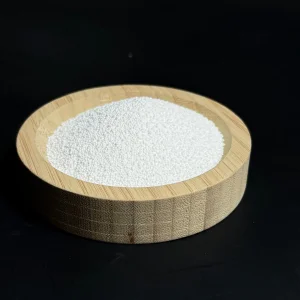
Global procurement teams prioritize bioavailable ingredients like betaine anhydrous (98%), organic acidifiers (benzoic acid), and targeted coated sodium butyrate. These active compounds survive the thermal shear of high-pressure extrusion to deliver measurable metabolic and digestive health improvements inside the gut of target species.
International buyers demand zero tolerance for pathogens, mycotoxins, and pesticide residues. Leading export supplier networks employ rigorous testing methodologies (including HPLC and atomic absorption spectroscopy) to verify that raw ingredients like chicken meal, crude fish oil, and plant extracts comply with EU and US FDA safety thresholds.
The global aquafeed distribution landscape is undergoing a structural paradigm shift driven by technological innovations, climate volatility, and stricter environmental regulations.
With traditional fishmeal supplies facing ecological caps, export networks are integrating alternative protein vectors. Hydrolyzed poultry meals, single-cell proteins, amino acid fortified plant matrices, and functional insect meals are increasingly incorporated into standard export catalogs. Suppliers who provide pre-blended, balanced amino acid profiles ensure seamless substitution without sacrificing growth kinetics.
Thermally fragile additives—such as live probiotic strains, digestive enzymes, and essential lipids—require protection during long-distance transoceanic transit. Micro-encapsulation and lipid-coating technologies prevent oxidative degradation in transit, ensuring active biological counts remain fully potent upon arrival at regional distribution hubs.
To support global supply partners, Chinese export networks deliver full-stack technical solutions spanning ingredient synthesis, processing hardware, and biological health boosters.
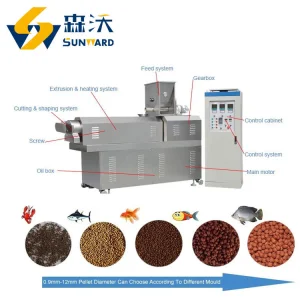
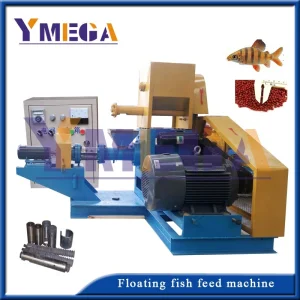
Turnkey processing machinery, such as 1 Ton/H+ capacity floating and sinking feed extruders, enables regional distributors to localize production. Advanced twin-screw configurations allow precise control over starch gelatinization, density adjustment, and pellet sizing ranging from micro-feed fry diets (0.5mm) to adult finfish pellets (10mm+).
Combating opportunistic pathogens like Vibrio species in shrimp or Aeromonas in tilapia requires metabolic support. Targeted additives, including coated sodium butyrate and functional probiotics, maintain tight junction integrity in the intestinal epithelium, reducing mortality and boosting immune response under heat or density stress.
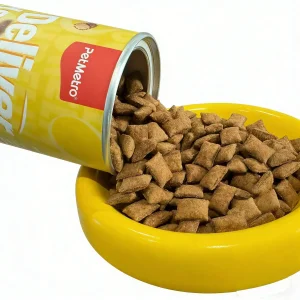
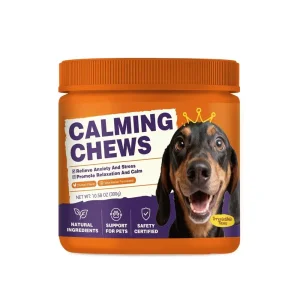
Leveraging shared extrusion and nutritional expertise, integrated suppliers provide dual-line OEM manufacturing. Client partners can procure high-spec aquafeeds while simultaneously contracting customized functional pet treats (e.g., crispy filled-core cat treats, calming dog chews), consolidating procurement logistics into a single vendor ecosystem.
The path forward for international aquatic feed supply networks relies on technological convergence. Below is the strategic execution roadmap for next-generation aquafeed export architecture.
Deployment of artificial intelligence models to adjust batch formulations in real time based on incoming raw material assay data, compensating for moisture fluctuations and protein variance to guarantee exact nutritional guarantees.
Integration of targeted multi-layer lipid coating systems designed to bypass gastric acid degradation in aquatic species, delivering gut-modulating organic acids directly to the hindgut for maximal nutrient absorption.
Full implementation of decarbonized export logistics, circular economy ingredient sourcing (upcycled protein matrices), and smart-contract-tracked biosecurity verification across all major shipping routes.
Navigating international customs, phytosanitary standards, and veterinary inspection protocols is a core competency of established Chinese export distribution networks.
Exported materials are supported by complete documentation dossiers, including Certificates of Analysis (COA), Health Certificates, Non-GMO verification, ISO22000, HACCP, and GMP+ certifications. Products destined for North American or European markets strictly comply with FDA, EFSA, and local feed registry requirements.
Environmental conditions such as water temperature, salinity, and stocking density vary significantly by geographic region. Technical services include custom ingredient matrix adjustments tailored specifically to warm-water tropical species (e.g., Penaeus vannamei, Tilapia) or cold-water marine aquaculture (e.g., Salmonids, Sea Bass).
Expert insights addressing technical, logistics, and OEM contract manufacturing queries for wholesale aquafeed and functional pet products.
Pellet buoyancy is primarily governed by the degree of starch gelatinization, moisture content, and expansion ratio achieved during twin-screw extrusion. Floating feeds undergo higher thermal-mechanical shearing and pressure drops at the die head, creating micro-cellular air pockets. Sinking feeds are extruded under controlled lower expansion parameters to yield high-density, rapidly submerging pellets suitable for bottom-feeding species like shrimp.
Uncoated sodium butyrate dissolves rapidly in the anterior stomach or mouth cavity, neutralizing its therapeutic value before reaching the distal intestine. Micro-encapsulation or lipid-coating ensures that the active butyric acid is released progressively throughout the lower intestinal tract. This targeted release strengthens gut mucosal barriers, stimulates villi development, and prevents pathogenic bacterial colonization.
Standard export MOQs for functional raw materials and additives typically start at 1 Full Container Load (FCL) or 1 to 5 metric tons for high-value micro-additives. Processing machinery lines have lead times ranging from 30 to 45 business days depending on customized engineering specifications. OEM pet treat and aquafeed orders typically require 15 to 25 days post-sample approval and packaging design confirmation.
Yes. Hangzhou Pawlix Pet Co., Ltd. offers full OEM and ODM private-label solutions. This includes custom shape development, functional health targeting (joint care, stress relief chews, digestive health), palatability optimization, and compliance-ready packaging tailored for international market regulations.
Products are packed in multi-wall moisture-barrier kraft paper bags with inner polyethylene liners or heavy-duty aluminum foil barrier pouches. Bulk shipments use UV-stabilized, anti-static woven super-sacks (FIBCs) sealed under modified atmosphere nitrogen flushing when handling oxygen-sensitive lipid or probiotic blends.
Explore our complete export line including specialty larval feeds, protein powders, organic acids, and premium seafood raw materials.
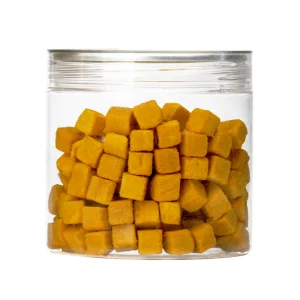
 Pawlix Pet