Pawlix Pet
Deep Dive: The Science of Buoyancy in Slow-Sinking Pellets
In the competitive landscape of global aquaculture, the difference between profit and loss often sinks to the bottom of the pond—literally. Slow-sinking pellets have emerged as the gold standard for high-efficiency farming. But what makes a pellet "slow-sinking"? It is a delicate balance of hydrodynamics, starch gelatinization, and lipid inclusion.
The Extrusion Process: A Masterclass in Engineering
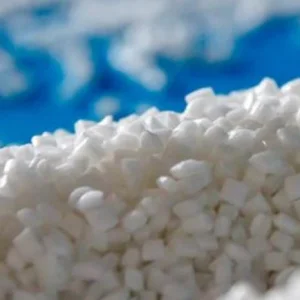
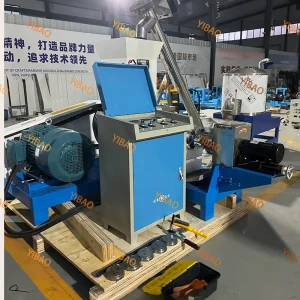
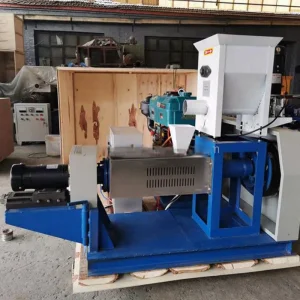
At Hangzhou Pawlix Pet Co., Ltd., our manufacturing process utilizes High-Shear Twin-Screw Extruders. By controlling the temperature (often between 120°C to 150°C) and pressure within the barrel, we achieve a specific level of "expansion." For floating pellets, we want high expansion; for slow-sinking pellets, we require a "micro-porous" structure. This allows the pellet to absorb water slowly, increasing its density over time until it begins a graceful descent through the water column. This ensures that fish at all depths—surface, mid-water, and bottom—have ample time to consume the feed, reducing the Environmental Impact of wasted nutrients.
Industrial Applications: Inert Pellets in Water Treatment
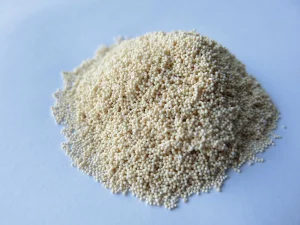
It is a common misconception that pellets are only for feed. In the industrial world, Inert Cylindrical Pellets serve as the backbone of high-purity water systems. In Up-Flow Service Packed-Bed systems, these pellets act as a "strainer guard." They are designed with a specific gravity that allows them to stay in place during regeneration cycles, preventing the loss of expensive ion-exchange resins. Our pellets are manufactured to withstand thermal shocks and chemical exposure, a testament to our industrial expertise.
Nutritional Superiority: Beyond the Shape
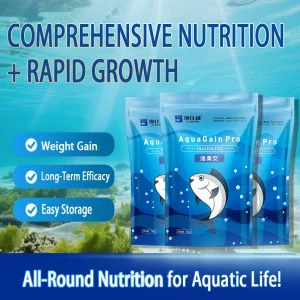
As a leading exporter, we recognize that the physical property of sinking is only half the battle. The nutritional profile must remain locked within the pellet. Our Aquagain PRO series integrates amino acids, vitamins, and trace elements that are "cold-pressed" or protected via vacuum coating. This prevents the "leaching" effect where nutrients dissolve into the water before the fish can eat them. For shrimp and salmon, which are slow eaters, this 95% Water Stability is the difference between a healthy harvest and a diseased pond.
Localized Adaptation: Meeting Global Challenges
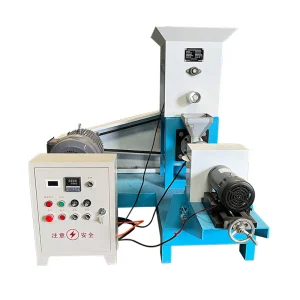
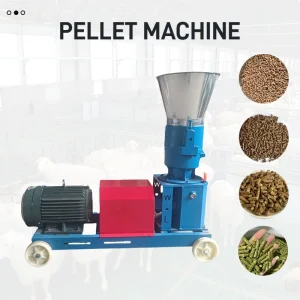
Every market has its own challenges. In Southeast Asia, high humidity requires pellets with superior anti-molding properties. In Europe, strict environmental regulations demand feeds with low phosphorus discharge. In Pakistan and the Middle East, there is a massive demand for robust machinery like our Animal Feed Pellet Mill (200kg/H) which can handle diverse raw materials like corn, soy, and fish meal. We don't just export products; we export localized solutions that empower local farmers to become self-sufficient.
The Future: Sustainability and AI
The next decade of pellet manufacturing will be defined by Sustainability. We are currently researching insect-based proteins and algae oils to replace traditional fish meal in our slow-sinking formulations. Combined with AI-monitored production lines, Pawlix is not just following trends—we are setting them. We invite global partners to join us in this journey of innovation, where technology meets nature to feed the world responsibly.