Maximize production efficiency and nutritional stability with our leading-edge aquatic feed extruders and ecological feed additives.
is a professional manufacturer specializing in aquaculture feed and functional pet treats, delivering comprehensive nutrition solutions for both fish farming and companion animal health. Based in Hangzhou, China, the company combines advanced feed technology with scientific formulation to support sustainable aquaculture and improve pet well-being.
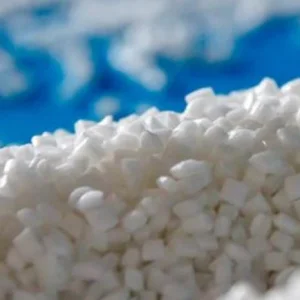
In the aquaculture sector, Pawlix Pet offers a wide range of high-performance feeds, including floating and sinking pellets, shrimp and fish feed, and nutrient-enriched formulations designed to promote fast growth, enhance immunity, and optimize feed conversion rates. The company focuses on maintaining water stability and reducing waste, helping aquaculture operations achieve higher efficiency and environmental sustainability.
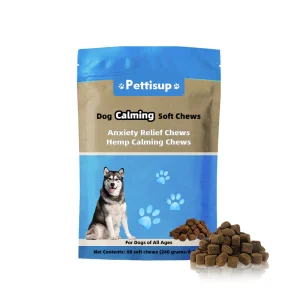
For the pet industry, Pawlix develops functional dog and cat treats tailored to specific health needs such as digestion support, joint care, skin and coat improvement, and calming effects. Using carefully selected ingredients and strict quality control standards, Pawlix ensures safe, nutritious, and palatable products for pets.
With strong R&D capabilities, modern production facilities, and global export experience, Hangzhou Pawlix Pet Co., Ltd. provides OEM and customized solutions to meet diverse market demands. Committed to innovation, quality, and customer satisfaction, Pawlix aims to be a trusted partner in aquaculture nutrition and pet health worldwide.
Analyzing the industrial layout, technological superiority, and cost efficiency of China's aquatic feed production.
The global aquaculture market is undergoing a structural transition towards sustainability and biosafety. As the world's largest producer and exporter of aquaculture products, China has established a highly integrated supply chain for specialty aquaculture feeds. The synergistic integration of crop cultivation, processing industries, and specialized nutritional sciences allows Chinese manufacturers to offer uncompromised value to global purchasers.
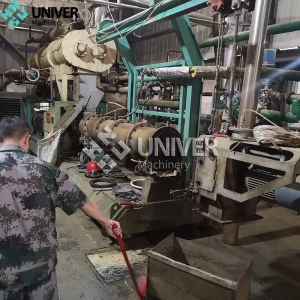
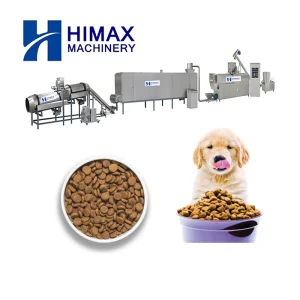
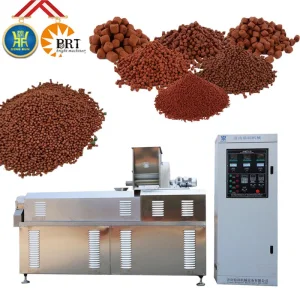
Leveraging state-of-the-art dual-screw extruders to control floatability, water stability (up to 12 hours), and nutrient retention rates.
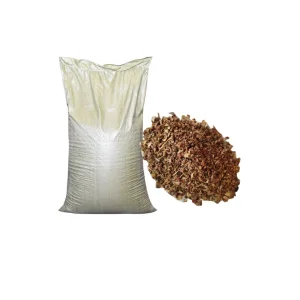
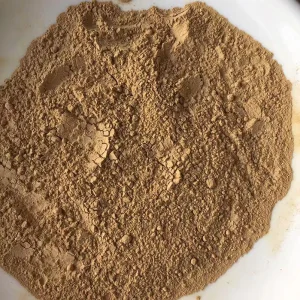
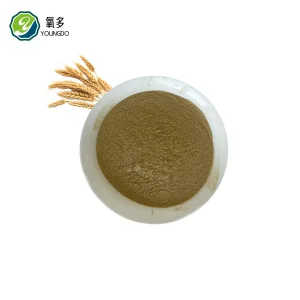
Direct domestic sourcing of protein alternatives like DDGS, yeast proteins, and organic apple pomace guarantees cost-effective formulation.
Stringent compliance with EU and USDA biosafety benchmarks, utilizing toxin binders and pathogen inhibition protocols.
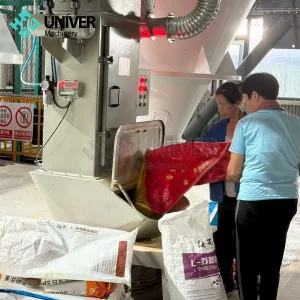
Our manufacturing complex in Hangzhou utilizes specialized industrial processes that prevent raw material contamination. By employing closed-loop pneumatic conveyance systems and high-precision micro-dosing systems, we minimize environmental cross-contamination. This structural advantage translates into lower feed conversion ratios (FCR) and increased survival indexes for international aquaculture farms.
Average Feed Conversion Ratio (FCR)
Water Stability of Extruded Pellets
Exporting Destination Countries
ISO9001 & GMP+ Certified Facilities
How modern feed mills are adapting to climate volatility, biological threats, and resource constraints.
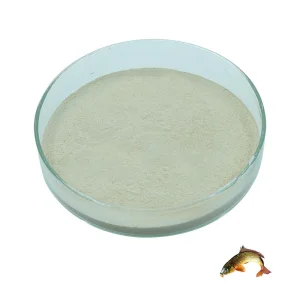
Historically, aquaculture relied heavily on fishmeal. However, escalating costs and marine conservation policies have forced the industry to adopt bio-secure alternative proteins. Innovations such as Yeast-Based Protein Supplements and high-protein DDGS are now widely integrated. These novel feed ingredients not only match the amino acid profile of fishmeal but also deliver prebiotic benefits that stimulate local gut microbiomes.
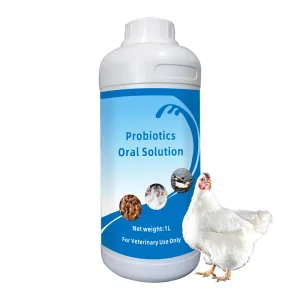
Antibiotic-free aquaculture is no longer a luxury—it is a strict regulatory requirement in premium markets like the EU and USA. Using beneficial microbes such as *Bacillus subtilis* and *Bacillus licheniformis* in raw feed formulations reinforces mucosal immunity in shrimp and teleost fish. This prevents outbreaks of diseases like Early Mortality Syndrome (EMS) and streptococcosis without chemical interventions.
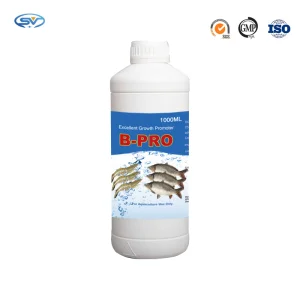
Betaine is a powerful methyl donor and osmoprotectant in aquatic diets. In high-salinity or fluctuating temperature environments, B-PRO Betaine prevents cellular dehydration, stimulates feeding behaviors as a chemo-attractant, and enhances the liver transport of lipids, drastically reducing visceral fat deposition in farmed species.
Traditional pelleting methods often suffer from high fine-percentage generation and fast disintegration in water. Modern feed processing lines utilize dynamic thermal conditioning to gelatinize starches, creating a rigid carbohydrate-protein matrix that resists leaching. This reduces nitrogen and phosphorus loading in aquaculture ponds, directly mitigating eutrophication risks.
Optimizing feed regimens based on regional water conditions, target species, and commercial rearing densities.
High-density farming of *Litopenaeus vannamei* demands feed with superior water stability and exceptional olfactory attraction. Utilizing the Automatic Shrimp Crab Pellet Feed Line allows manufacturers to produce micro-pellets with low-temperature drying, preserving heat-sensitive attractants and enzymes. Incorporating wholesale *Bacillus subtilis* directly into the feed line helps metabolize fecal waste in the pond bottom, maintaining water quality.
Farming salmonids and marine carnivorous species requires high-fat, high-energy sinking diets. These diets must maintain their structure as they sink through cold, turbulent waters. Using specialized sinking feed machinery ensures precise starch gelatinization, which allows the pellets to withstand high pressure during deep-water pneumatic feeding. This minimizes oil leakage and keeps the feed stable until consumed.
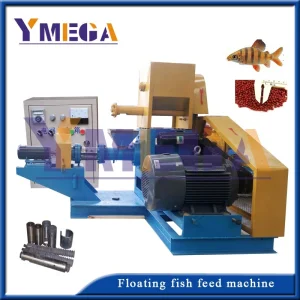
Pond polyculture of tilapia, carp, and catfish requires cost-effective floating feeds that support high growth rates. Using ingredients like apple pomace adds a sweet scent that encourages feeding, while yeast-derived proteins provide a balanced amino acid profile. This combination supports muscle deposition rather than abdominal fat accumulation, even in low-circulation ponds.
When selecting feeds, global sourcing managers must evaluate more than just crude protein. The physical performance of the feed and its biological safety profile are critical factors. Below is a comparative overview of how different feed formulations perform across key metrics:
| Feed Classification | Primary Application | Key Bio-Active Additive | Water Stability Target |
|---|---|---|---|
| Slow-Sinking Marine | Sea Bream, Seabass, Salmonids | B-PRO Betaine & Yeast Protein | > 6 Hours |
| Hyper-Stable Benthic | Shrimp, Lobsters, Crabs | Probiotics Oral Solution & Toxin Binder | > 12 Hours |
| High-Buoyancy Surface | Tilapia, Catfish, Carp | Apple Pomace (attractant) & DDGS | > 24 Hours (Float) |
A structured approach for international commercial farms and distributors sourcing feed and machinery from China.
Procuring feed and machinery from international suppliers requires careful evaluation to prevent logistics delays, quality variations, or biological safety issues. Hangzhou Pawlix Pet Co., Ltd. has developed a streamlined supply chain framework that addresses these challenges through the following steps:
Get professional answers to common questions about aquatic feed extrusion, nutritional strategies, and international sourcing.
Browse our complete list of specialty feeds, functional supplements, and high-efficiency extrusion hardware.
 Pawlix Pet