Select premium feed ingredients optimized for immediate digestive bio-availability, environmental stabilization, and rapid mass accrual.
The aquaculture sector of the Democratic People's Republic of Korea (DPRK) is transitioning through a critical operational modernization phase. Bound by extensive, highly rich coastlines across the Yellow Sea (West Sea) and the Sea of Japan (East Sea), alongside vast inland riparian networks, North Korea has designated marine cultivation and freshwater commercial fish farming as priority sectors for national protein self-sufficiency.
Key cultivation focuses include benthic cold-water species such as marine sea cucumber (Apostichopus japonicus), scallops, and high-value kelp, along with inland freshwater systems cultivating Chinese major carps, catfish, and rainbow trout. Historically restricted by simple raw agricultural byproduct meal compositions, local state enterprises and cooperative aquaculture operations are actively seeking to import refined, high-efficiency, extrusion-stable feed formulations to reduce Feed Conversion Ratios (FCR) and secure biological viability against harsh winter temperature drops.
Bridging the critical transition from dwindling wild marine fishmeal resources to advanced functional alternative protein matrices.
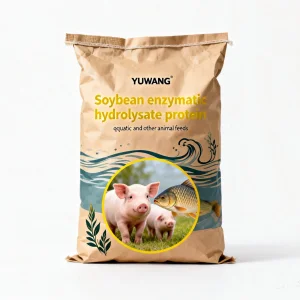
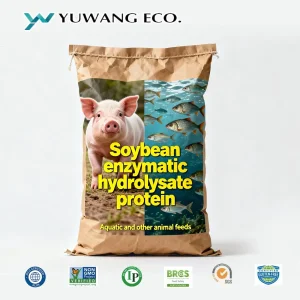
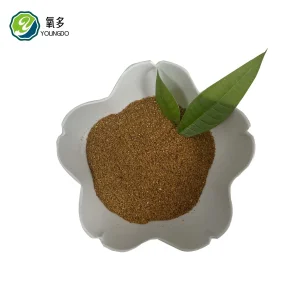
Traditional soy protein isolates contain severe anti-nutritional factors (such as lectins and trypsin inhibitors) that induce intestinal enteritis in juvenile fish. By implementing controlled enzymatic hydrolysis, we reduce high-molecular proteins into bio-active small-chain peptides (under 1000 Da). These peptides bypass complex luminal digestion phases, directly migrating through intestinal cell walls to dramatically boost early-stage larval survival and structural immune defense.
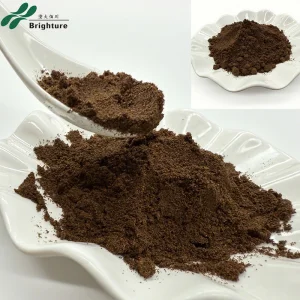
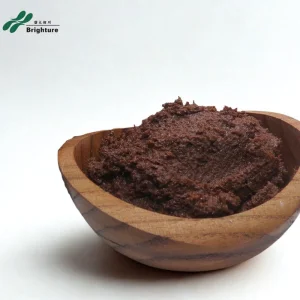
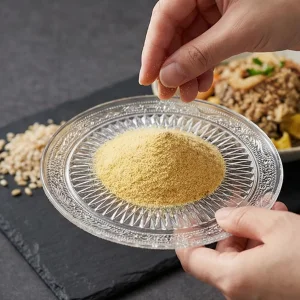
For benthic or bottom-dwelling marine species, locating feed relies almost entirely on chemoreception. Our integrated use of Squid Liver Powder and highly refined marine Shrimp Paste acts as a profound chemical signal. It induces hyper-active feeding strikes instantly upon pellet introduction, minimizing uneaten bottom waste, neutralizing typical feed refusal behavior under colder water cycles, and ensuring uniform batch growth.
Through state-of-the-art twin-screw extrusion systems, we tightly manage gelatinization processes. This allows precision formulation of strictly floating pellets for warm-water pond fish (such as Tilapia or Carp) and heavy, slow-sinking pellets for cold-water riverine trout or sea bottom echinoderms. This process locks in nutrients, preventing leaching loss of water-soluble B vitamins and amino acids into surrounding currents.
Operating from our modern industrial complex in Hangzhou, Zhejiang, Hangzhou Pawlix Pet Co., Ltd. leverages China's hyper-integrated agricultural refining infrastructure. We secure first-tier select raw materials—such as premium non-GMO soybean meal, functional liquid lecithin, and specialized marine animal co-products—directly at massive regional scale, bypassing intermediate trading premiums.
Designed to resolve highly specific environmental, nutritional, and biological stresses across East Asia's seasonal shifts.
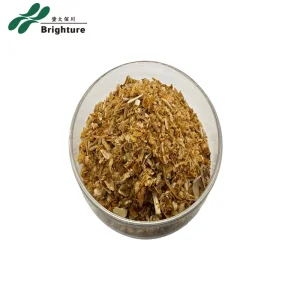
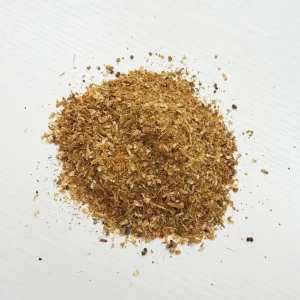
High-salinity, variable temperature marine environments require feeds that don't wash away. Incorporating our highly cohesive Sustainable Shrimp Shell Meal and high-protein binders ensures feeds sink cleanly to deep coastal enclosures, supplying chitin to stimulate chitinase production and accelerate growth.
View Bio-Chitin Spec SheetCultured in fast-flowing mountain springs, salmonids have extremely high fat and metabolic requirements. Feeding a rich mix of Premium Soy Liquid Lecithin and concentrated enzymatic proteins maintains cell membrane fluidity, boosts energy reserve mobilization, and shields livestock during freezing winter water shifts.
View Phospholipid ProfileHeavy feeding in closed ponds can cause intense organic waste and oxygen-depleting algal blooms. Using highly digestible feeds containing Enzymatic Soy Protein reduces environmental nitrogen (ammonia) load and fecal output by up to 35%, helping farmers keep water clean with minimal filtration.
View Digestibility StudyEngineered options built to cover every phase of growth: from early-stage larval feed and booster additives to robust grow-out feeds.
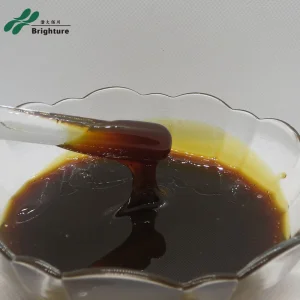
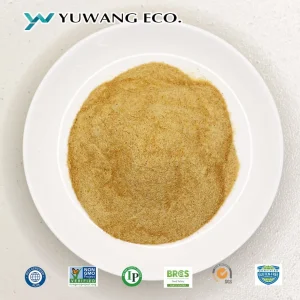
Targeted formulations supporting sustainable feed conversion pathways and specialized regional custom blending operations.
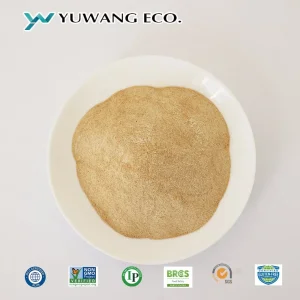
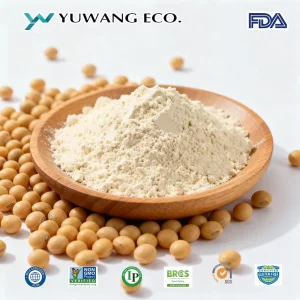
Cost-effective plant protein powder to replace marine ingredients.
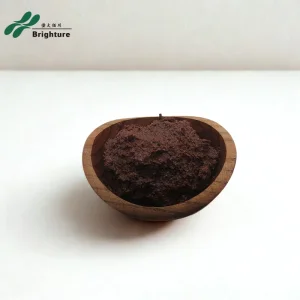
Strong attractant that boosts feed intake in warm-water catfish.
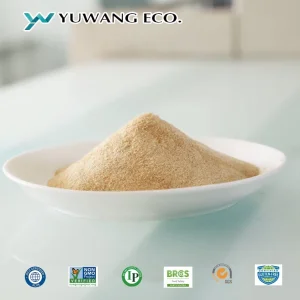
Easy-to-digest formulation that ensures highly uniform batch growth.
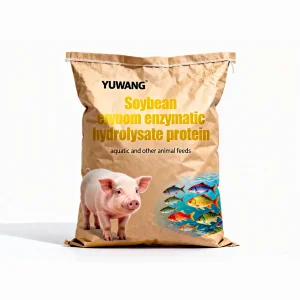
Direct biological substitute for wild fishmeal protein matrices.
How Hangzhou Pawlix manages biosecurity, trace element controls, and structural nutrition safety across global borders.
Marine animals easily absorb minerals, meaning heavy metals (Lead, Cadmium, Arsenic) can quickly concentrate in their tissues. Pawlix screens all incoming marine ingredients using high-precision Atomic Absorption Spectrometry, ensuring every batch sits well below strict international standards.
Storing feed in humid maritime ports often leads to mold. By incorporating thermal processing tech and premium organic binders, our feed prevents Aspergillus mold colonization and limits Aflatoxins to < 5 ppb, preserving gut health even during long storage periods.
Rather than simply tracking raw protein metrics, we build our feeds around optimal bio-available profiles. By balancing essential amino acids—specifically lysine, methionine, and threonine—we reduce urea discharge and maximize lean tissue growth in target marine species.
Ready to optimize your aquaculture yields with high-precision Chinese feed technology?
Send Inquiry NowExpert answers covering formulation sciences, shipping pathways to North Korea, and feed conversion efficiencies.
Our proximity to northeastern Chinese shipping corridors and border networks allows us to offer unmatched logistics efficiency, lower freight fees, and shorter transit times. Combined with our modern manufacturing plants in Hangzhou, we deliver premium formulations that directly help North Korea's growing marine and inland aquaculture projects scale up production.
Raw plant proteins contain anti-nutritional compounds that upset fish digestion. Our enzymatic hydrolysis breaks these down into bio-active small-chain peptides. These pass straight through the stomach wall for fast absorption, preventing intestinal inflammation and ensuring carnivorous species get maximum nutritional value.
By controlling starch gelatinization during twin-screw extrusion, our sinking feeds maintain physical shape and water stability for over 3 to 4 hours. This minimizes nutrient leaching, keeps the water clear, and gives bottom-feeding species plenty of time to consume their feed without mess.
Yes, we specialize in customizing feeds to match your environment. We adjust protein-to-energy ratios by blending premium fishmeal alternatives, krill meals, and high-stability liquid lecithins, giving cold-water fish the metabolic fuel they need to thrive during freezing winter months.
These marine-derived attractants release concentrated amino acid markers that trigger strong, natural feeding instincts in aquatic species. This ensures fish consume pellets almost immediately upon feeding, lowering FCR, avoiding food waste, and shortening the overall growth cycle.
Our mills operate under strict ISO 9001 and HACCP quality management systems. High-temperature processing ensures all feed is thoroughly sanitized, keeping your water systems safe from wild avian flus, Salmonella, and other biological contamination risks.
We offer versatile packing options, including multi-wall moisture-proof 25kg bags and robust 1,000kg PP jumbo sacks. These protect feed against high humidity and physical wear during ocean transport, ensuring fresh delivery to any target port.
Shrimp shell meal is rich in natural chitin, carotenoids, and mineral structures. These compounds boost natural defenses, stimulate regular shedding cycles, and build strong shells in shrimp, crabs, and other bottom-dwelling mariculture species.
Our standard MOQ for custom extruded feeds is 10 metric tons per formulation. This allows us to properly configure and calibrate our machinery for optimized nutritional runs and precise bulk pricing benefits.
We blend premium antioxidants and ethoxyquin stabilizers into our lipid-dense feeds. Our multi-layered barrier packaging blocks out moisture and light, keeping the feed fresh and nutritionally potent throughout transport and storage.
 Pawlix Pet