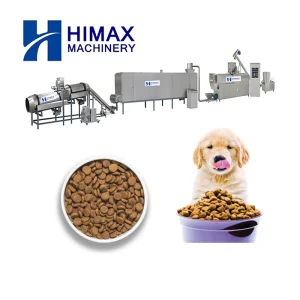
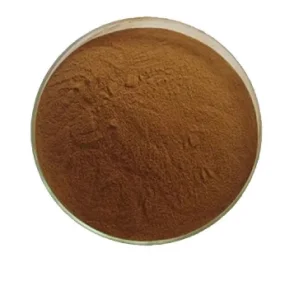
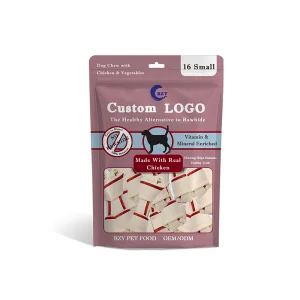
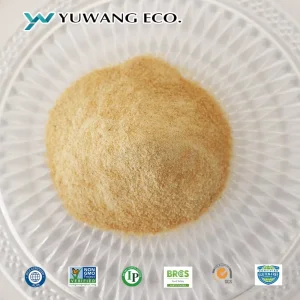
Explore our elite array of high-capacity processing extruders, functional aquatic feeds, biological enhancers, and premium food structures engineered for performance.
Global aquaculture is shifting from traditional extensive pond farming toward highly managed, intensive production systems. Tilapia (Oreochromis niloticus) remains one of the world's most critical aquaculture species due to its hardiness, rapid growth rate, and high market acceptability. However, maximizing biomass output while maintaining ecosystem balance requires advanced technical competence, precise nutritional formulations, and reliable processing equipment.
Hangzhou Pawlix Pet Co., Ltd. is a professional manufacturer specializing in aquaculture feed and functional pet treats, delivering comprehensive nutrition solutions for both fish farming and companion animal health. Based in Hangzhou, China, the company combines advanced feed technology with scientific formulation to support sustainable aquaculture and improve pet well-being.
By offering CE-certified extrusion solutions, feed additives, and high-performance feed recipes, we address the critical pain points of contemporary tilapia farmers: optimizing Feed Conversion Ratios (FCR), guaranteeing feed stability, reducing localized environmental loads, and complying with stringent European and international safety standards.
Charting the developmental path of smart tilapia farming technologies from 2025 to 2030.
Improving digestibility of alternative plant proteins in tilapia diets through optimized thermal and mechanical energy parameters, reaching gelatinization levels above 90%.
Coating heat-sensitive post-extrusion additives, including specific Bacillus subtilis strains and enzymatic proteins, directly onto pellets to optimize intestinal microflora and FCR.
Integrating machine vision and smart acoustic sensors to adjust pellet discharge rates dynamically based on real-time tilapia feeding activity and biomass density.
In the next decade, tilapia aquaculture will demand systems that minimize localized eutrophication. The integration of Biofloc Technology (BFT) and high-performance feeds will enable closed-loop nutrient cycling. Under biofloc conditions, tilapia feed formulation must adapt to utilize microbial proteins generated in situ. Pawlix's engineering division is developing specialized floating feeds optimized for heterotrophic bacterial interaction, supporting carbon-to-nitrogen ratios that reduce dependence on traditional fish meal imports.
Addressing macro-environmental issues through combined biological, nutritional, and mechanical technologies.
Large-scale tilapia operations face key structural bottlenecks: inconsistent feed quality, high incidence of bacterial diseases (e.g., Streptococcus iniae), and water degradation due to fine fecal particles. Our integrated system approaches focus on three core pillars:
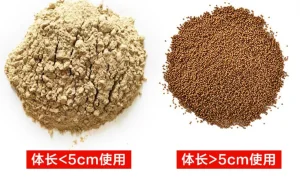
In the aquaculture sector, Pawlix Pet offers a wide range of high-performance feeds, including floating and sinking pellets, shrimp and fish feed, and nutrient-enriched formulations designed to promote fast growth, enhance immunity, and optimize feed conversion rates. The company focuses on maintaining water stability and reducing waste, helping aquaculture operations achieve higher efficiency and environmental sustainability.
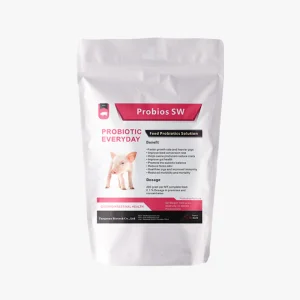
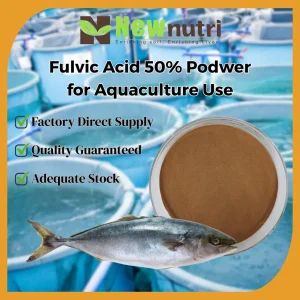
Utilizing Aquaculture Grade Fulvic Acid and specialized probiotic additives to control pathogen blooms. Fulvic acid chelates toxic heavy metals and balances minerals in brackish and freshwater setups, stabilizing water pH levels and enhancing natural organic decomposition without chemical treatment.
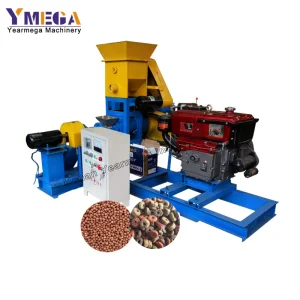
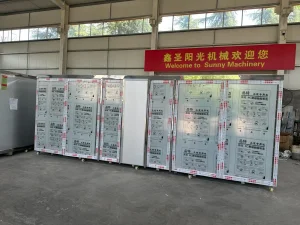
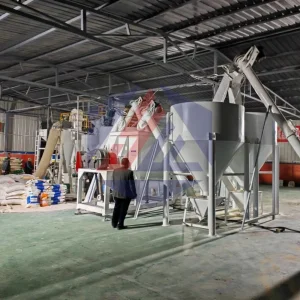
Deploying decentralized, CE-certified extrusion systems like our Diesel Engine Floating Fish Feed Pellet Processing Machine in regions with inconsistent power grids. This allows remote fish farms to produce fresh feed on-site, mitigating logistics costs and oxidation risks of imported feeds.
| Growth Stage | Weight Range (g) | Crude Protein (%) | Crude Lipid (%) | Fibre (%) | Pellet Type |
|---|---|---|---|---|---|
| Fingerling / Nursery | 1 - 20 | 38% - 40% | 6% - 8% | < 4.0% | Micro-Floating / Crumbles |
| Grow-Out Phase 1 | 20 - 150 | 32% - 35% | 5% - 7% | < 5.0% | 2.0mm - 3.0mm Floating |
| Grow-Out Phase 2 | 150 - 500+ | 28% - 30% | 4% - 6% | < 6.0% | 4.0mm - 6.0mm Sinking/Floating |
| Broodstock Control | Breeders | 35% - 38% | 8% - 10% | < 4.5% | 4.0mm - 6.0mm Floating |
How our centralized production hub in Hangzhou, China delivers globally competitive cost structures and quality assurance.
The manufacturing plants of Hangzhou Pawlix Pet Co., Ltd. represent modern feed engineering, combining high-speed automated extrusion lines, PLC-controlled dosing modules, and computerized thermodynamic cooking processes. By locating our operations in the industrial hub of Zhejiang Province, we harness direct proximity to raw material producers, advanced steel mills, and world-class logistics ports (Ningbo and Shanghai).
Multi-component gravimetric dosing scales ensure that minor ingredients, such as vitamins, mineral premixes, and probiotics, are homogenized down to an accuracy of 99.8%.
Machinery is designed and fabricated under strict ISO 9001 and CE machinery directives. High-tensile steel alloys are utilized for screw components to resist wear and corrosion.
With strong R&D capabilities, modern production facilities, and global export experience, Hangzhou Pawlix Pet Co., Ltd. provides OEM and customized solutions to meet diverse market demands. Committed to innovation, quality, and customer satisfaction, Pawlix aims to be a trusted partner in aquaculture nutrition and pet health worldwide.
Overcoming importing hurdles through regulatory alignment and engineering support.
Exporting feed products and high-capacity processing machinery requires strict alignment with safety regulations. We provide dynamic global compliance services, ensuring our clients experience friction-free custom clearances in key markets across Europe, Southeast Asia, South America, and Africa.
Operational roadmap for commercial distributors, aquaculture groups, and feed mills sourcing from Pawlix.
To establish long-term partnership contracts, global procurement departments can customize their requests using our standard parameters:
Options include 20kg/25kg multi-layer PP/PE woven bags with inner barrier liners, or 1000kg bulk supersacks designed for automatic crane discharging at feed silos.
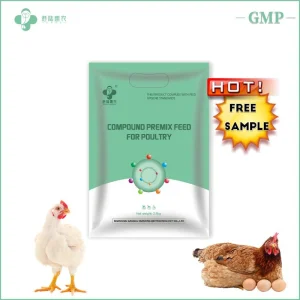
Adjust raw proteins depending on regional pricing. We can substitute traditional marine fishmeal with highly digestive enzymatic plant proteins and poultry-by-products.
Minimum Order Quantities (MOQ) start at 5 metric tons for feed, and 1 unit for processing machinery. Third-party quality audits (e.g., SGS, Bureau Veritas) are welcomed.
The core technological competencies of extrusion, biological preservation, and nutritional balancing enable Pawlix to serve both target aquaculture environments and domestic companion animals.
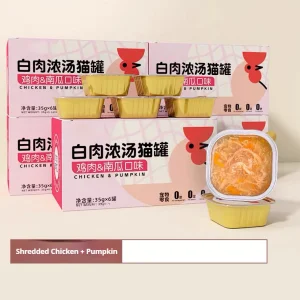
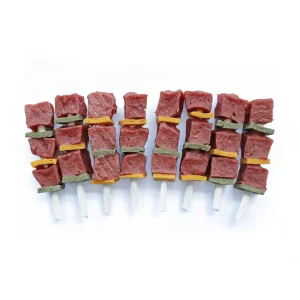
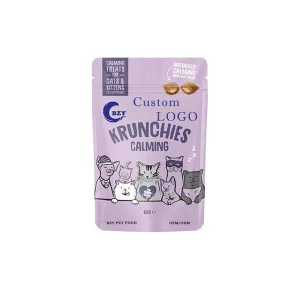
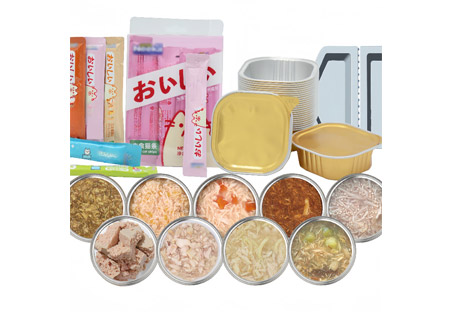
For the pet industry, Pawlix develops functional dog and cat treats tailored to specific health needs such as digestion support, joint care, skin and coat improvement, and calming effects. Using carefully selected ingredients and strict quality control standards, Pawlix ensures safe, nutritious, and palatable products for pets.
Our freeze-drying facilities, high-palatability enhancers (such as beef liver extract powders), and low-temperature dehydration lines allow us to formulate natural, rawhide-free pet foods that comply with global health standards for veterinary-level nutrition.
Direct technical responses to the industry's most common production queries.
CE certification ensures that the extrusion machinery satisfies essential European standards regarding electrical safety, mechanical shielding, high-pressure operation, and acoustic noise levels. It ensures safe operating environments for farm hands and feed mill workers, preventing industrial accidents during high-shear operations.
Tilapia are mid-to-bottom surface feeders, but can be conditioned to feed on floating pellets. Floating feeds allow farmers to monitor feeding behaviors, adjust feed volumes, and avoid bottom pollution from unconsumed feed. Sinking feeds are suitable for colder weather cycles and deep-water ponds but require closer monitor intervals to prevent excess buildup.
Aquaculture-grade fulvic acid acts as a natural electrolyte, improving cell membrane permeability in fish, which enhances nutrient absorption. It functions as a mild water sanitizer, binding toxic metals and organic toxins, and helping to buffer pH shifts in intensively loaded ponds.
Twin-screw extruders provide positive displacement, ensuring uniform flow of sticky, high-fat, or high-fiber raw ingredients. They allow higher flexibility in moisture control, resulting in consistent pellet sizing, high oil-holding capacities, and superior water stability compared to single-screw solutions.
Probiotics like Bacillus subtilis and lactic acid bacteria colonize the tilapia intestinal tract, blocking attachment sites for pathogenic Vibrio or Streptococcus species. This boosts the non-specific immune response, helping fingerlings handle transport and temperature stress.
Integrating high-output extrusion machinery, raw protein enhancers, and professional animal feed formulations.
 Pawlix Pet