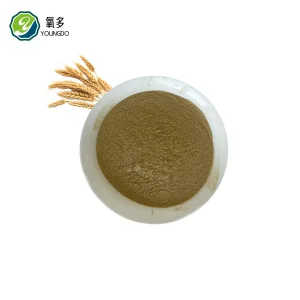
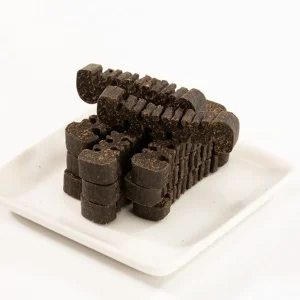
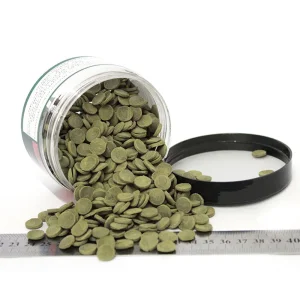
Explore our premium product line, designed to optimize Feed Conversion Ratios (FCR) and enhance bio-stability.
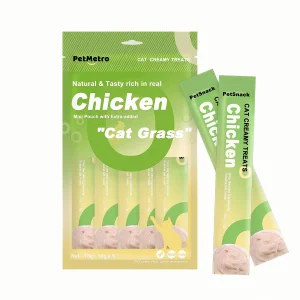
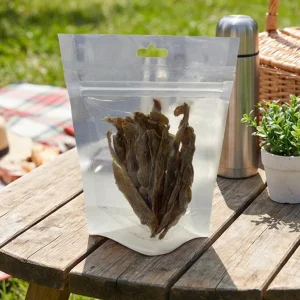
Hangzhou Pawlix Pet Co., Ltd. is a professional manufacturer specializing in aquaculture feed and functional pet treats, delivering comprehensive nutrition solutions for both fish farming and companion animal health. Based in Hangzhou, China, the company combines advanced feed technology with scientific formulation to support sustainable aquaculture and improve pet well-being.
In the aquaculture sector, Pawlix Pet offers a wide range of high-performance feeds, including floating and sinking pellets, shrimp and fish feed, and nutrient-enriched formulations designed to promote fast growth, enhance immunity, and optimize feed conversion rates. The company focuses on maintaining water stability and reducing waste, helping aquaculture operations achieve higher efficiency and environmental sustainability.
For the pet industry, Pawlix develops functional dog and cat treats tailored to specific health needs such as digestion support, joint care, skin and coat improvement, and calming effects. Using carefully selected ingredients and strict quality control standards, Pawlix ensures safe, nutritious, and palatable products for pets.
With strong R&D capabilities, modern production facilities, and global export experience, Hangzhou Pawlix Pet Co., Ltd. provides OEM and customized solutions to meet diverse market demands. Committed to innovation, quality, and customer satisfaction, Pawlix aims to be a trusted partner in aquaculture nutrition and pet health worldwide.
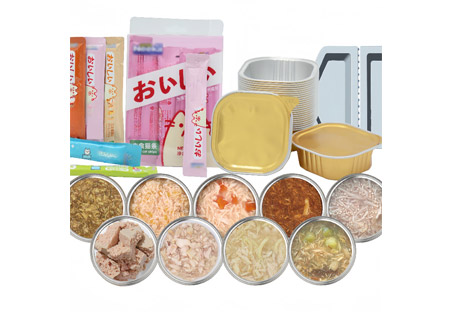
The transition from traditional farming models to high-tech, data-driven, and nutritionally advanced ecosystems.
Modern aquaculture demands highly bio-available micro-nutrients. Incorporating Highly Unsaturated Fatty Acids (HUFA) and marine extracts ensures optimal lipid metabolism, reducing liver stress and enhancing survival rates in intensive nurseries.
RAS technology requires feeds that do not disintegrate prematurely. The focus is now on water-stable, low-leaching feeds that maintain physical structural integrity, reducing mechanical pressure on biological filters.
To reduce reliance on wild-caught fishmeal, manufacturers are adopting sustainable alternatives such as insect meals, single-cell yeast proteins, and algae concentrates (like Spirulina Maxima) to maintain balanced amino acid profiles.
Developing high-density feed formulations that solve environmental, immunological, and commercial bottlenecks simultaneously.
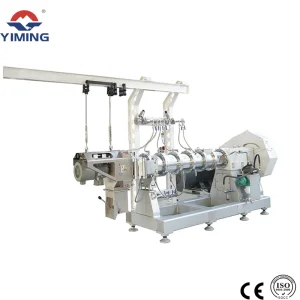
Utilizing twin-screw steam extruders, we control density precisely to produce floating, sinking, or slow-sinking pellets. Correct starch gelatinization (>85%) ensures the feed has high digestible energy and minimal dust creation.
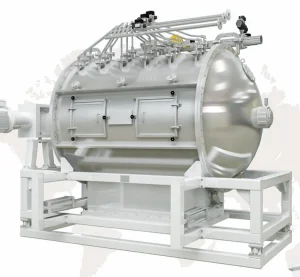
Vacuum coating allows the infusion of high lipid levels (such as Squid Paste and HUFAs) directly into the pellet matrix without compromising physical durability, preventing oil leakage into the aquaculture medium.
Incorporating beta-glucans, mannan-oligosaccharides (MOS) from yeast bases, and bioactive peptides to bolster the non-specific immune response, preparing fish and shrimp fry to handle transportation and pathogens.
Micro-particulate diets formulated specifically for the fragile post-larval stages of marine shrimp and fish. These micro-pellets provide dense energy packages that mimic natural zooplankton profiles.
B2B importers, commercial farms, and distributor networks require reliable supply chains, compliance, and custom formulation options.
Commercial aquaculture operators face challenging operating environments: feed costs can represent up to 60-70% of total production costs. Procuring the right feed formulation dictates the success of harvest seasons. We address these operational risks via:
Ensuring frictionless importing and conformity with international veterinary and food safety standards.
Our facility operates under rigorous international safety protocols. We maintain valid HACCP, ISO 22000, and GMP+ certifications. Every batch receives comprehensive phytosanitary certificates, veterinary health inspection forms, and certificates of analysis (COA).
Water chemistry, temperature fluctuations, and local farming systems (cages, ponds, RAS) vary significantly by region. We dynamically adjust protein-to-lipid ratios, sinking speeds, and antioxidant packages to perform optimally under target local conditions.
Our shipping network handles customs documentation, maritime logistics, and tracking, ensuring your feed cargo arrives fresh, dry, and free of moisture-induced mold or thermal degradation.
Innovation highlights shaping the next decade of commercial aquafeed manufacturing.
Mapping the complex digestive pathways of individual target species to create synthetic amino acid matrixes, reducing overall protein waste while accelerating weight gain.
Transitioning to zero-land-use inputs, integrating municipal food co-product bioconversion (e.g., black soldier fly larvae) and microalgae systems directly into mass production.
Developing nano-engineered lipid and therapeutic protective coatings that prevent raw nutrient leaching for up to 24 hours under water pressure, reducing RAS pollution to near-zero levels.
Addressing the technical, microbiological, and logistical queries of global buyers and commercial breeding operators.
FCR depends on species, genetics, water quality, and farm management. Under optimal farming conditions (e.g., intensive culture, proper oxygenation, and temperature control), our clients consistently report FCR values ranging from 1.0 to 1.3 for fish and 1.2 to 1.5 for shrimp. This efficiency is achieved through highly bio-available raw ingredients, precise heat treatment during extrusion, and balanced amino acid formulations.
We control starch gelatinization via advanced twin-screw extrusion parameters. By processing at designated temperature, steam, and pressure levels, the starches gelatinize and bind the feed matrix securely. Additionally, we use organic binders and vacuum oil infusion systems to ensure the feed remains stable under water for several hours (minimum 3 hours for sinking fish feed, up to 6 hours for shrimp feed) without breaking apart and polluting the water.
We use sustainable protein alternatives such as yeast-based protein concentrates, organic spirulina (Spirulina Maxima), corn gluten meal, soybean protein concentrates, and insect meals. Our formulation software ensures the correct balance of amino acids (specifically Lysine and Methionine) is maintained, so alternative protein diets match the growth results of traditional marine-sourced protein feeds.
For custom OEM formulations, the minimum order quantity typically ranges from 10 to 15 metric tons (roughly one 20-foot container). This MOQ is required to calibrate the computerized batching systems and maintain thermal equilibrium during the extrusion process. Standard stock feeds and additives may have smaller MOQ limits. Contact our sales department to discuss your target specifications.
We offer full registration support for global distributors. Our dedicated regulatory affairs department prepares the dossier work, including free sale certificates (FSC), production flowcharts, detailed ingredient statements, and factory audit records. We regularly work with agricultural authorities in Europe, South America, North America, and Southeast Asia to clear import requirements.
Explore our broader line of animal feeds, advanced farming technology, and functional pet solutions.
 Pawlix Pet