Engineered to optimize early-stage survivability, growth rate, and biological immunity


Overcoming the critical early developmental bottlenecks in hatchery operations
In the industrial aquaculture value chain, fish larvae rearing remains the most complex and biologically sensitive stage. The transition of marine and freshwater finfish larvae from endogenous nutrition (yolk sac absorption) to active exogenous feeding represents a major survivability bottleneck. At this critical juncture, the larval digestive system is morphologically incomplete, lacking a fully functional stomach, pepsin secretion, and adequate acid production. Consequently, larval nutrition requires highly digestible micro-diets that match the precise enzymatic capacity of the young organism.
Modern hatchery engineering addresses this challenge by optimizing three interconnected pillars: physical feed properties (water stability, buoyancy, sinking rates), chemical nutrition (peptides, highly unsaturated fatty acids like DHA and EPA, phospholipids), and microbiological control. The integration of advanced larval rearing solutions is not merely an option but a structural necessity to achieve economically viable Survival Rates (SR) and Food Conversion Ratios (FCR) in species such as sea bass, sea bream, grouper, and various shrimp cultivars.
"Precision-formulated larval nutrition and physical microencapsulation represent the frontier of aquaculture efficiency, directly mitigating the historic 80-90% mortality rates traditionally associated with marine hatcheries."
From an operational standpoint, factories must deliver microparticulate feeds that demonstrate exceptional water stability. Inadequate formulation design results in rapid nutrient leaching, which not only deprives the larvae of critical water-soluble proteins and amino acids but also triggers bacterial blooms in Recirculating Aquaculture Systems (RAS). By engineering feed matrices using low-temperature extrusion and microencapsulation technology, exporters can supply high-stability feeds that retain their nutritional integrity for hours while remaining highly palatable to target species.
A global pioneer bridging functional nutrition and advanced feed engineering
Hangzhou Pawlix Pet Co., Ltd. is a professional manufacturer specializing in aquaculture feed and functional pet treats, delivering comprehensive nutrition solutions for both fish farming and companion animal health. Based in Hangzhou, China, the company combines advanced feed technology with scientific formulation to support sustainable aquaculture and improve pet well-being.
In the aquaculture sector, Pawlix Pet offers a wide range of high-performance feeds, including floating and sinking pellets, shrimp and fish feed, and nutrient-enriched formulations designed to promote fast growth, enhance immunity, and optimize feed conversion rates. The company focuses on maintaining water stability and reducing waste, helping aquaculture operations achieve higher efficiency and environmental sustainability.
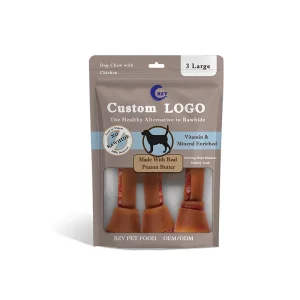
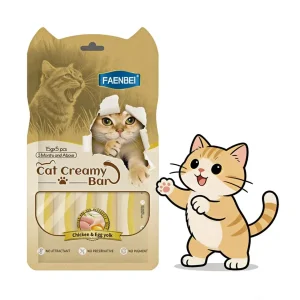
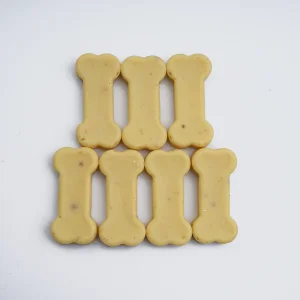
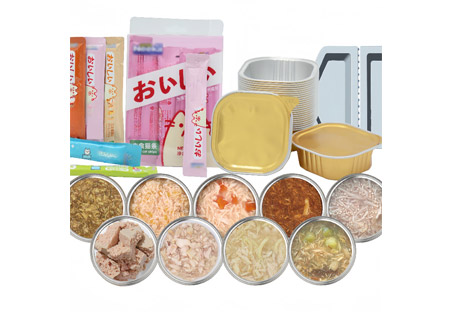
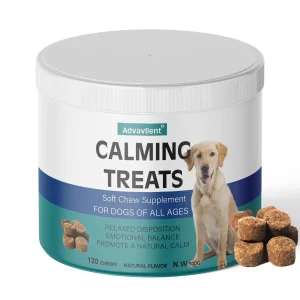
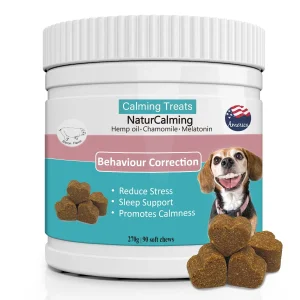
For the pet industry, Pawlix develops functional dog and cat treats tailored to specific health needs such as digestion support, joint care, skin and coat improvement, and calming effects. Using carefully selected ingredients and strict quality control standards, Pawlix ensures safe, nutritious, and palatable products for pets.
With strong R&D capabilities, modern production facilities, and global export experience, Hangzhou Pawlix Pet Co., Ltd. provides OEM and customized solutions to meet diverse market demands. Committed to innovation, quality, and customer satisfaction, Pawlix aims to be a trusted partner in aquaculture nutrition and pet health worldwide.
How China's leading factories build physical and biological advantages into micro-diets
Prevents nutrient leaching by utilizing complex coacervation and low-temperature lipid coating, preserving water-soluble peptides, vitamins, and minerals within the microparticulate core.
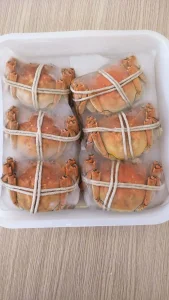
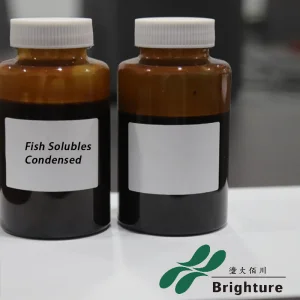
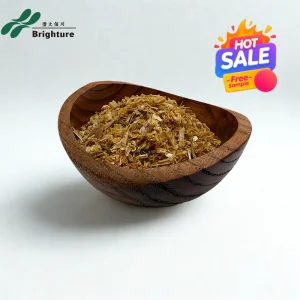
Integrating high-purity Shrimp Shell Meal and Fish Solubles rich in free amino acids (alanine, glycine, proline) to trigger strong gustatory and olfactory feeding behaviors in young larvae.
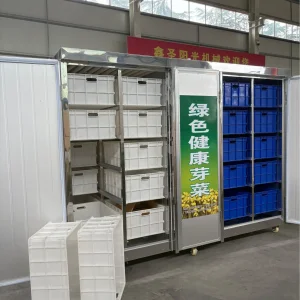
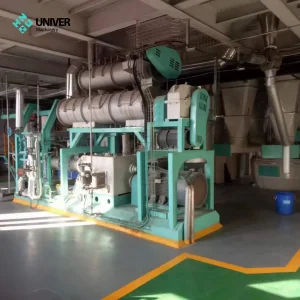
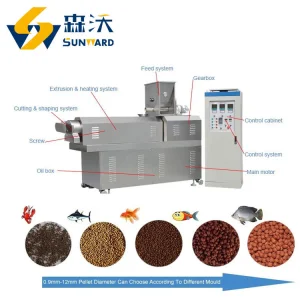
Deploying advanced 1 Ton/H Aquaculture Feed Extruder Lines with twin-screw setups. This provides absolute control over shear force, thermal cooking, buoyancy index, and particle uniformity down to 100 microns.
Tailoring nutritional profiles to diverse regional environments and species requirements
Larval rearing solutions cannot follow a one-size-fits-all methodology. Biological and environmental variances across global hatcheries demand customized dietary profiles. Hangzhou Pawlix Pet Co., Ltd. approaches global export by categorizing formulations according to regional aquaculture parameters, water quality characteristics, and temperature variations:
In the Mediterranean basin, intensive rearing of Sparus aurata (Gilthead Seabream) and Dicentrarchus labrax (European Seabass) demands rapid transition from live prey (rotifers/Artemia) to inert micro-diets. Due to lower winter water temperatures in open systems, larvae require higher concentrations of highly unsaturated fatty acids (HUFA) and phospholipids to maintain cell membrane fluidity and neural development. Pawlix's solutions integrate premium cold-water fish solubles and refined marine lipids, ensuring optimal digestion and minimizing skeletal deformities.
Southeast Asia (Vietnam, Thailand, Indonesia) faces high-density pathogen challenges, including Early Mortality Syndrome (EMS) and Vibriosis. Larval feeds in these regions must double as immunological shields. By utilizing functional additives such as prebiotic yeast fractions, peptidoglycans, and high-potency shrimp shell meal, Pawlix's formulations stimulate the innate immune system of shrimp post-larvae (PL) and groupers, improving survival rates by up to 25% under disease challenge conditions.
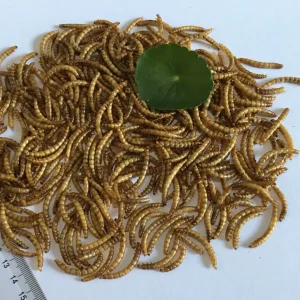
In freshwater systems like the Paraná basin, cost-effectiveness coupled with rapid early growth is the primary driver. The nutritional requirements center on high-quality proteins with optimized amino acid profiles (high lysine and methionine levels). The integration of highly palatable dried mealworm meals and plant-based protein isolates helps growers achieve excellent feed acceptance and accelerates weaning, leading to shorter nursery phases and improved overall pond-stocking quality.
How Hangzhou Pawlix coordinates advanced manufacturing and logistics to secure global supply chains
Global aquaculture operates on tight timelines; a hatchery cannot afford feed supply delays during peak spawning seasons. China's industrial infrastructure offers unparalleled supply chain resilience for larval feed manufacturing. Hangzhou Pawlix leverages this environment to guarantee uninterrupted supply, consistent quality, and competitive cost structures.
First, vertical raw material integration ensures consistent nutritional parameters. Through long-term agreements with domestic marine processing plants and sustainable insect farms, Pawlix secures premium inputs like marine fish solubles, shrimp shell powder, and high-quality mealworms. This domestic abundance isolates international buyers from raw material cost spikes and quality degradation common in fragmented supply chains.
Second, China's advanced manufacturing ecosystem enables rapid technological iteration. Pawlix houses its own state-of-the-art extrusion machinery, including the 1 Ton/H Aquaculture Feed Extruder Line. By owning the tooling, engineering, and formulation processes, Pawlix can rapidly customize pellet sizes (from 100 microns to 2mm) and adjust sinking buoyancy on demand, a process that typically takes months for manufacturers relying on third-party toll millers.
Finally, the geographic proximity to major logistics hubs in Ningbo and Shanghai ports enables rapid dispatch. With comprehensive temperature-controlled logistics, vacuum packaging, and nitrogen-flushed barrier bags, the integrity of highly sensitive lipids and enzymes in larval feeds is fully protected from oxidation during transit, ensuring fresh delivery to farms in the Americas, Europe, and Asia.
Expert answers to critical technical questions regarding larval nutrition, feed machinery, and logistics
Microencapsulated diets protect water-soluble nutrients from leaking into the surrounding water. Traditional crumbled feeds have rough, irregular surfaces that easily disintegrate, causing severe nutrient loss and water quality degradation. Microencapsulation uses a protective wall (typically lipids or gelatin) that remains intact until the feed enters the alkaline environment of the larval midgut, ensuring maximum nutrient ingestion and maintaining system biosecurity.
Fish larvae rely heavily on chemoreception (smell and taste) rather than vision to locate food. Shrimp Shell Meal and Fish Solubles are packed with natural attractants like betaine, nucleotides, and free amino acids. These components dissolve slightly around the particle, creating a strong chemical gradient that stimulates the larvae's feeding reflex, leading to immediate feed acceptance and reducing weaning transition mortality.
High-quality larval feed production requires a twin-screw extruder with precise temperature control zones and high-shear capabilities (such as our 1 Ton/H Aquaculture Feed Extruder Line). Sinking properties are regulated by controlling the expansion ratio, adjusting vacuum density systems, and adjusting screw speed. Floating feeds require high starch gelatinization (typically above 80%) to trap micro-air cells within the matrix during the rapid pressure drop at the die plate.
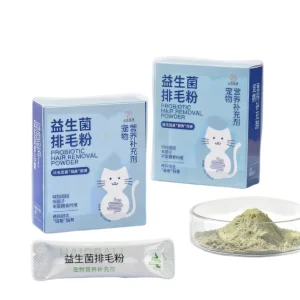
The biological core of both high-end companion animal treats and aquaculture larval feed is functional gut health and immune modulation. Pawlix utilizes advanced probiotic stabilization, enzyme inclusion, and micro-grinding systems across both product lines. For instance, the prebiotic and probiotic technologies used to control hairballs and boost gut health in cats are derived from the same enzyme-stabilization research used to optimize larval gut development and prevent pathogenic vibrio colonization.
Due to the high inclusion rates of sensitive polyunsaturated fatty acids (such as DHA and EPA), our larval feeds are packed in nitrogen-flushed, multi-layered aluminum foil barrier bags. When stored in a cool, dry place (under 20°C, ideally refrigerated at 4-8°C for long term), the unopened shelf-life is 18 months. Once opened, the product should be used within 4 weeks and kept tightly sealed to prevent lipid oxidation and moisture absorption.
Precision-manufactured products delivering commercial-grade performance
 Pawlix Pet