The global aquaculture industry is undergoing a paradigm shift, where the success of a farming operation is no longer judged solely by harvest volume, but by the survival rate and physiological robustness of the larvae. Larval fish feed represents the most technologically demanding segment of the aquafeed industry. Unlike adult fish, larvae require micro-sized particles (often 100 to 500 microns) that must be highly digestible, water-stable, and nutritionally dense.
Currently, the market is shifting from "Live Feed" (like Artemia and Rotifers) to precision-formulated inert micro-diets. This transition is driven by the need for biosecurity, cost reduction, and nutritional consistency. The industrial status of larval feed is now defined by cold-extrusion technology and micro-encapsulation, ensuring that delicate proteins and vitamins are not denatured during the manufacturing process.
Utilizing molecular biology to tailor amino acid profiles for specific species like Sea Bass, Salmon, and Tilapia.
Advanced binders ensure pellets remain intact for hours, preventing water pollution and nutrient leaching.
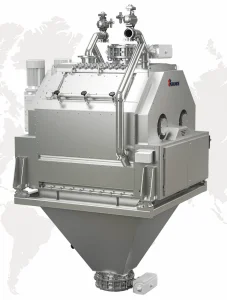
Real-time monitoring of pellet buoyancy and size distribution using AI vision systems in our factories.
Identifying the leaders in the larval feed sector requires looking at R&D investment, geographical reach, and technological patents. Here is an overview of the industry giants shaping the future of hatcheries:
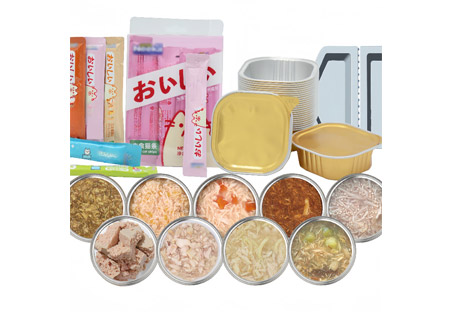
Hangzhou Pawlix Pet Co., Ltd. is a professional manufacturer specializing in aquaculture feed and functional pet treats, delivering comprehensive nutrition solutions for both fish farming and companion animal health. Based in Hangzhou, China, the company combines advanced feed technology with scientific formulation to support sustainable aquaculture and improve pet well-being.
With strong R&D capabilities, modern production facilities, and global export experience, Hangzhou Pawlix Pet Co., Ltd. provides OEM and customized solutions to meet diverse market demands. Committed to innovation, quality, and customer satisfaction, Pawlix aims to be a trusted partner in aquaculture nutrition and pet health worldwide.
The demand for larval fish feed is projected to grow at a CAGR of 6.5% over the next decade. This growth is driven by several key factors:
Traditional fishmeal is being replaced by insect protein, algae oil (rich in DHA/EPA), and single-cell proteins. These ingredients are not only more sustainable but also provide a cleaner nutritional profile for the sensitive digestive systems of larvae.

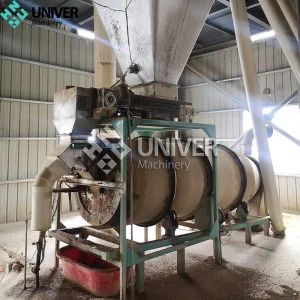
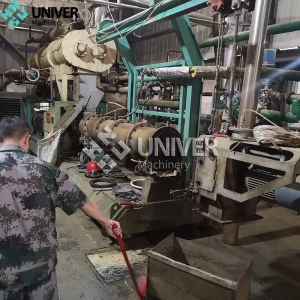
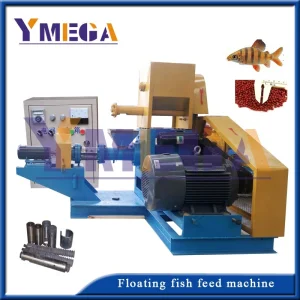
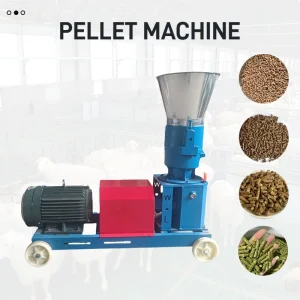
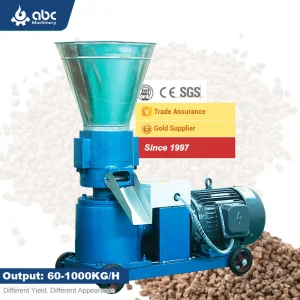
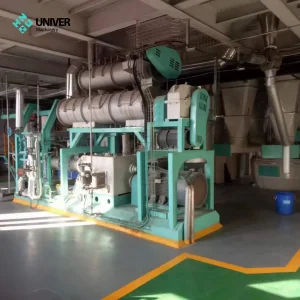
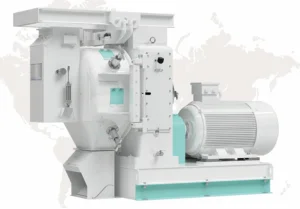
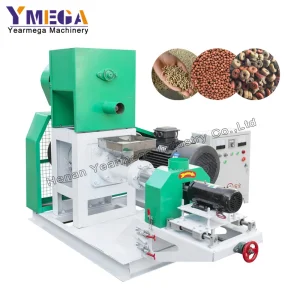
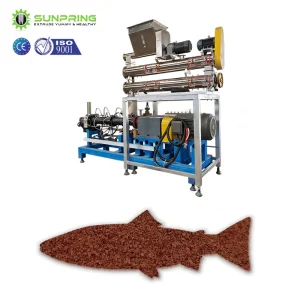
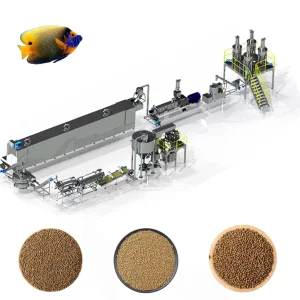
Modern factories are investing heavily in Twin-Screw Extrusion technology. Unlike traditional pelleting, extrusion allows for higher fat inclusion and better control over buoyancy (floating vs. sinking), which is critical for species that feed at different water depths.
Global procurement teams are moving away from "one-size-fits-all" feeds. In Southeast Asia, the focus is on Shrimp and Tilapia; in Europe, it is Salmon and Sea Bass; while in North America, Catfish and Trout lead the market. Localized application scenarios require feeds that perform under varying water temperatures and salinity levels.
China, led by regions like Hangzhou, has become a global hub for aquaculture technology. The advantages include:
 Pawlix Pet