As the global population approaches 10 billion, the demand for high-quality protein is surging. Traditional open-cage farming and pond aquaculture are facing unprecedented challenges from climate change, water scarcity, and environmental pollution. This has propelled Recirculating Aquaculture Systems (RAS) to the forefront of the blue revolution.
RAS technology allows for land-based fish farming with minimal water usage and zero discharge into natural ecosystems. However, the heart of a successful RAS operation lies not just in the hardware, but in the nutrition. RAS feed must meet stringent physical and nutritional standards to maintain water quality and fish health in a high-density environment.
The transition from traditional to smart aquaculture is being driven by several key factors.
Modern feed manufacturers are using AI to optimize amino acid profiles and pellet density, ensuring that every gram of feed is consumed and utilized by the fish, reducing bio-load on filters.
There is a massive shift away from fishmeal towards sustainable alternatives like insect meal, microalgae, and single-cell proteins to ensure long-term ecological balance.
Feed pellets are now engineered with "Hydro-Stability" technology, allowing them to remain intact for longer periods, which is critical for the mechanical filtration systems in RAS.
Hangzhou Pawlix Pet Co., Ltd. stands as a beacon of innovation in the aquaculture and pet nutrition sectors. As a premier manufacturer based in Hangzhou, China, we specialize in high-performance aquaculture feed and functional solutions that bridge the gap between technology and biology.
Our expertise lies in creating specialized feeds for high-density systems where water quality is paramount. By combining advanced extrusion technology with scientific formulations, we provide the "Gold Standard" of feed that supports rapid growth, boosts immunity, and ensures the highest feed conversion rates (FCR).
In a Recirculating Aquaculture System, water is continuously filtered and reused. This means that any uneaten feed or fecal matter immediately affects the oxygen levels, pH, and ammonia concentrations. Traditional pond feed is often too fragile for these systems; it disintegrates too quickly, leading to "fine particles" that clog biofilters and promote harmful bacterial growth.
From Salmon farms in Norway to Shrimp RAS facilities in Southeast Asia, the demand for high-stability sinking and floating pellets is at an all-time high. Procurement managers today look for manufacturers who can guarantee consistency. Any fluctuation in pellet size or nutrient density can disrupt the automated feeding systems used in modern land-based farms.
China has become a global hub for aquaculture technology. Why? Because of the Industrial Synergy. As the world's largest producer of both aquaculture products and feed machinery, Chinese factories like Pawlix benefit from a robust supply chain. We can source the freshest marine ingredients and the most advanced extrusion hardware at a fraction of the cost of Western competitors, passing those savings on to our global partners.
When searching for the "Top 10" manufacturers, professional buyers prioritize three pillars:
In North America and Europe, our clients focus on Salmonids and Sturgeon. Here, the feed must have high lipid content and exceptional water stability to handle the cold-water recirculation requirements. In Southeast Asia and Latin America, the focus shifts to intensive Shrimp RAS. In these environments, our functional additives—like squid paste and fish solubles—are crucial for attractancy and immunity against local pathogens.
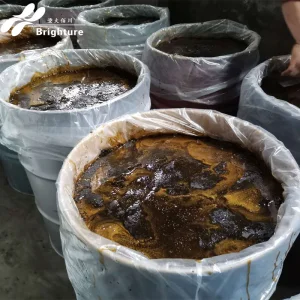
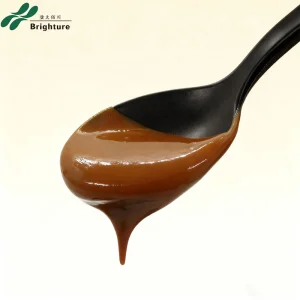
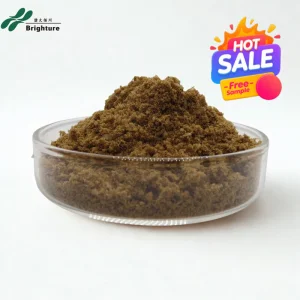
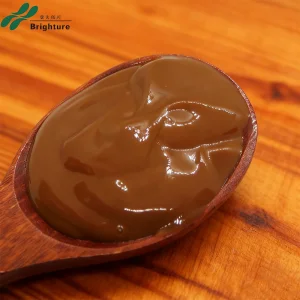
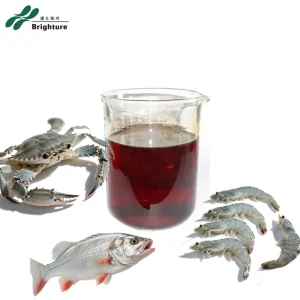
Our feeds are enriched with High-Unsaturated Fatty Acids (HUFA) and essential amino acids. We use squid paste and fish oil supplements to ensure maximum palatability and health.
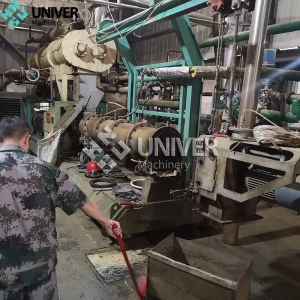
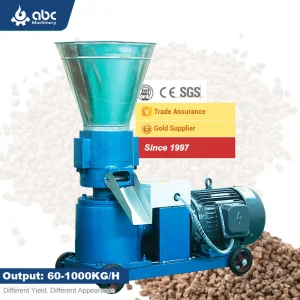
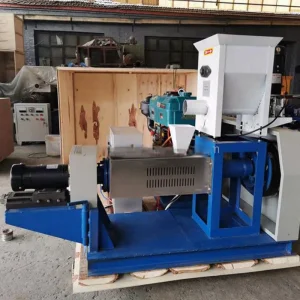
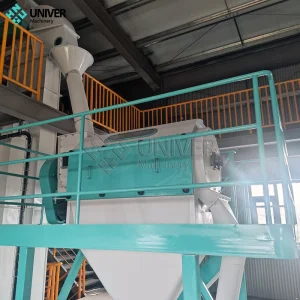
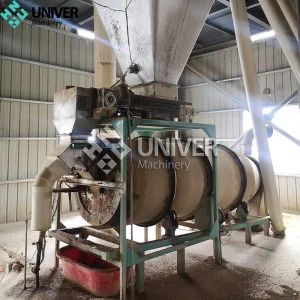
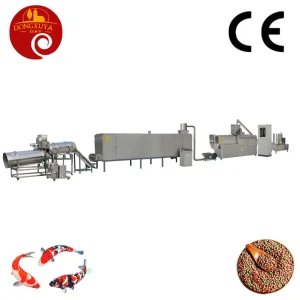
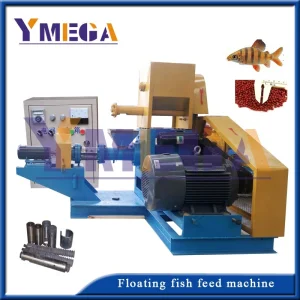
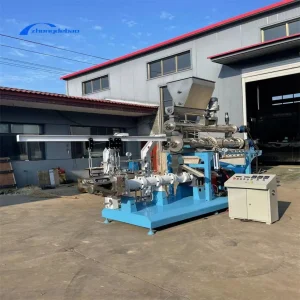
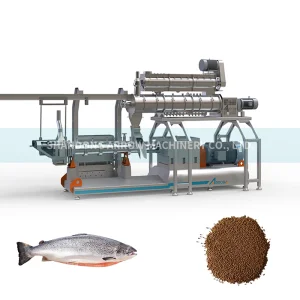
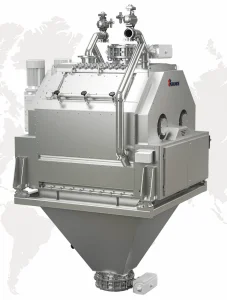
Utilizing 4ton/H automatic production lines, we can produce pellets from 0.5mm to 20mm, meeting the needs of fish from fry to harvest stage.
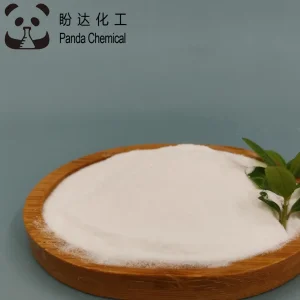
We incorporate immunity-boosting ingredients like sodium bicarbonate and specialized premixes to help fish thrive in high-density environments.
With strong R&D capabilities, modern production facilities, and global export experience, Hangzhou Pawlix Pet Co., Ltd. provides OEM and customized solutions to meet diverse market demands. We are not just a manufacturer; we are your strategic partner in optimizing the nutritional efficiency of your aquaculture operation. Our commitment to innovation ensures that we stay ahead of industry trends, providing you with the tools needed to succeed in the competitive world of recirculating aquaculture.
By choosing Pawlix, you are investing in high-quality feeds that promote fast growth, enhance immunity, and optimize feed conversion rates—essential factors for the success and environmental sustainability of any aquaculture project.
 Pawlix Pet