Industrial-grade machinery and targeted feed supplements engineered to excel in humid tropical environments and elevate local Feed Conversion Ratios (FCR).
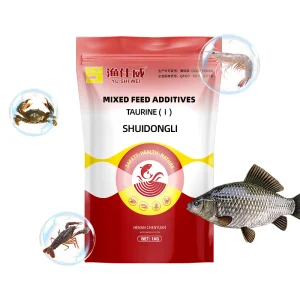
Analyzing global commercial dynamics, local environmental parameters, and advanced nutritional engineering required for tropical Penaeid shrimp farming.
As the primary economic and logistical hub of Papua New Guinea (PNG), Port Moresby occupies a strategic vantage point for the expansion of sustainable coastal and brackish-water aquaculture. Situated along the Gulf of Papua and facing the Coral Sea, the Central Province region features vast mangrove estuaries, tropical temperature consistency, and growing commercial interest in high-density Penaeus monodon (Giant Tiger Prawn) and Litopenaeus vannamei (Whiteleg Shrimp) farming. However, unlocking high financial returns in PNG requires overcoming complex environmental challenges—specifically ambient heat stress, intense rainfall humidity, high feed transport costs via Motukea Port, and rapid nutrient leaching in warm marine ponds.
Globally, the shrimp nutrition landscape is undergoing a structural transition. Legacy formulations relying heavily on high-percentage wild fishmeal are being replaced by bio-optimized, precision-balanced diets utilizing concentrated functional proteins, crystalline amino acids, and lipid encapsulation techniques. In the Port Moresby market, imported commercial feeds often suffer from extended maritime transit times, exposing raw ingredients to lipid oxidation, moisture accumulation, and mycotoxin contamination before reaching pond sites.
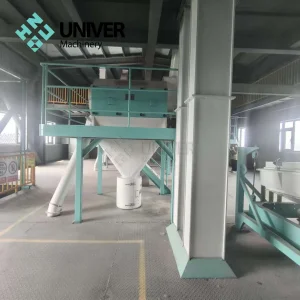
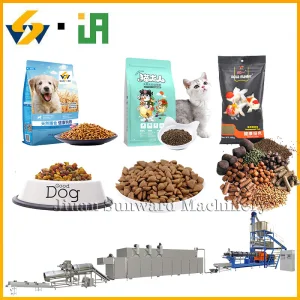
To overcome these challenges, regional farm operators and local feed millers around Port Moresby require a combined strategy: high-efficiency extrusion machinery capable of handling diverse marine protein sources locally, and advanced nutritional premixes engineered to remain hydro-stable under intense tropical water conditions.
Information Gain Insight: Tropical water temperatures in coastal Port Moresby regularly hover between 27°C and 31°C. At these temperatures, shrimp metabolic rates spike, leading to accelerated feed consumption requirements. However, standard low-density feeds dissolve rapidly under these conditions, causing nitrogenous waste spikes (TAN & NO2-). Modern formulations must maintain structural integrity for over 180 minutes while maintaining high chemo-attractances.
Optimizing digestible protein-to-energy ratios, starch gelatinization, and bioactive attractants for high-density tropical culture.
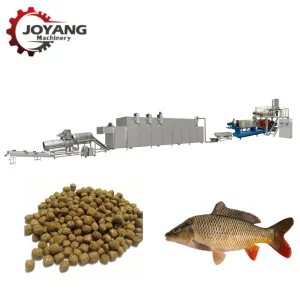
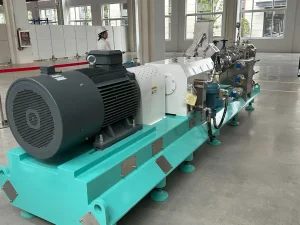
Utilizing twin-screw extrusion with thermal mechanical energy (SME) to achieve starch gelatinization rates above 92%. This locks protein matrix structures, extending water stability up to 4 hours while minimizing physical nutrient disintegration in shallow ponds around Central Province.
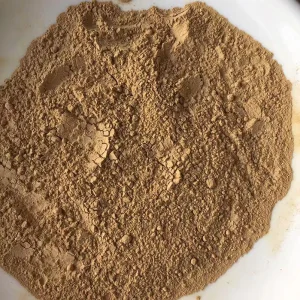
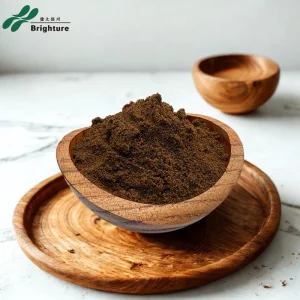
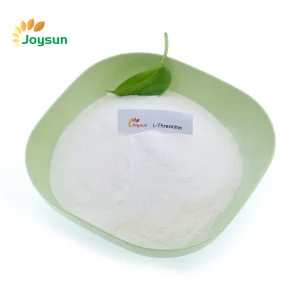
Shrimp rely on gustatory and olfactory senses to locate feed. Integrating concentrated Squid Liver Powder, marine protein hydrolysates, and specific L-amino acids triggers immediate feeding responses, drastically reducing feed residence time in warm water and cutting nitrogen leaching.
Incorporating heat-resistant spore-forming probiotics like Bacillus subtilis and Bacillus licheniformis directly into micro-pellets. These microflora colonize the midgut, outcompeting pathogenic Vibrio parahaemolyticus and improving nutrient absorption efficiency.
Below is the recommended nutritional baseline for high-density Penaeid shrimp feeds operating in Port Moresby's warm-water estuarine environment:
| Nutritional Parameter | Nursery Stage (PL10-PL30) | Grow-out Stage (3g - 15g) | Finisher Stage (>15g) | Function in PNG Climate |
|---|---|---|---|---|
| Crude Protein (Min %) | 42.0% | 38.0% | 35.0% | Supports rapid somatic growth & tissue repair |
| Crude Lipid / Fat (Min %) | 7.5% | 6.5% | 5.5% | Provides essential HUFAs (EPA & DHA) for moulting |
| Crude Fiber (Max %) | 2.5% | 3.5% | 4.0% | Controls digestive transit rate & gut health |
| Starch Gelatinization (%) | > 95% | > 92% | > 90% | Prevents pellet disintegration in tropical water |
| Total Phosphorous (Min %) | 1.5% | 1.2% | 1.0% | Prevents soft-shell syndrome in fluctuating salinities |
| Water Stability (Hours) | > 3.5 Hrs | > 3.0 Hrs | > 2.5 Hrs | Reduces nutrient leaching & benthic pollution |
Hangzhou Pawlix Pet Co., Ltd. is a professional manufacturer specializing in aquaculture feed and functional pet treats, delivering comprehensive nutrition solutions for both fish farming and companion animal health. Based in Hangzhou, China, the company combines advanced feed technology with scientific formulation to support sustainable aquaculture and improve pet well-being.
In the aquaculture sector, Pawlix Pet offers a wide range of high-performance feeds, including floating and sinking pellets, shrimp and fish feed, and nutrient-enriched formulations designed to promote fast growth, enhance immunity, and optimize feed conversion rates. The company focuses on maintaining water stability and reducing waste, helping aquaculture operations achieve higher efficiency and environmental sustainability.
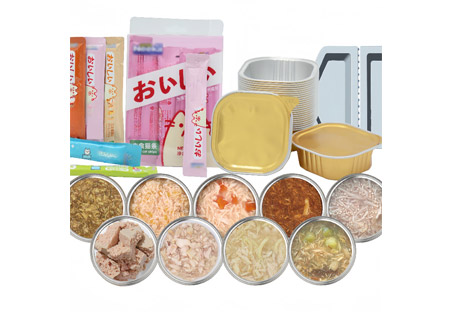
For the pet industry, Pawlix develops functional dog and cat treats tailored to specific health needs such as digestion support, joint care, skin and coat improvement, and calming effects. Using carefully selected ingredients and strict quality control standards, Pawlix ensures safe, nutritious, and palatable products for pets.
With strong R&D capabilities, modern production facilities, and global export experience, Hangzhou Pawlix Pet Co., Ltd. provides OEM and customized solutions to meet diverse market demands. Committed to innovation, quality, and customer satisfaction, Pawlix aims to be a trusted partner in aquaculture nutrition and pet health worldwide, proudly expanding services to serve agricultural enterprises and aquaculture operators across the Port Moresby market and Papua New Guinea.
Solving tropical storage degradation, tidal salinity swings, and high freight costs with specialized machinery & formulations.
Port Moresby's relative humidity frequently exceeds 80%. Our feeds utilize natural anti-mold inhibitors (propionic acid complexes) and oxygen-barrier packaging to ensure micro-ingredients and lipids remain untainted during local warehousing and sea freight transit.
Different coastal systems near Central Province require specific pellet behaviors. We configure single and twin-screw extruders to engineer exact sinking rates (0.08–0.12 m/s), allowing post-larvae and adults to feed in their natural benthic zone without waste.
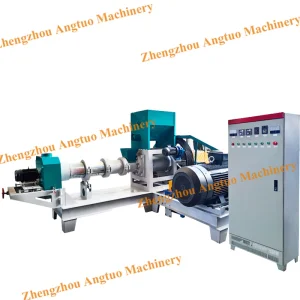
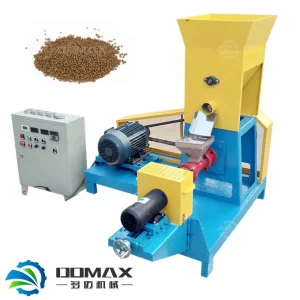
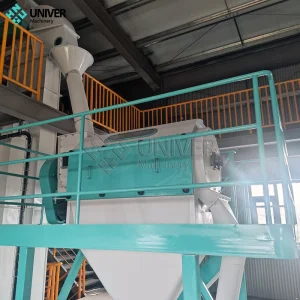
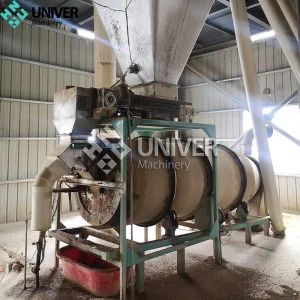
For enterprises seeking self-sufficiency in PNG, our extrusion plant machinery is engineered to process regional raw materials—such as local copra meal, cassava starch, and tuna head meal—into high-value commercial micro-pellets.
Pioneering sustainable aquaculture technologies tailored to PNG's unique biodiversity and marine ecosystems.
To reduce dependence on imported marine fishmeal in Port Moresby, our R&D roadmap focuses on integrating fungal and bacterial single-cell proteins (SCP) alongside Black Soldier Fly Larvae (BSFL) meal. These alternative proteins offer high amino acid digestibility while reducing the carbon footprint of regional aquaculture.
Standard liquid spraying coats only the exterior of feed pellets, causing fast nutrient wash-off in tropical water. Vacuum coating forces functional lipid complexes, heat-sensitive enzymes, and immunostimulants deep into the core porous structure of the pellet, preserving 99% of active ingredients until ingestion.
Paired with our uniform, dust-free pellet machinery, automated pneumatic feeding systems equipped with underwater acoustic sensors monitor real-time feeding activity in shrimp ponds. This technology prevents overfeeding, maintains pristine water quality, and drops localized FCR levels down to 1.15.
With global disease pressures such as Early Mortality Syndrome (EMS) and Enterocytozoon hepatopenaei (EHP), our specialized formulations integrate nucleotide fractions, organic acidifiers, and botanical extract matrices designed to strengthen hepatopancreatic health under high stocking densities.
Clear, technical insights addressing common queries from farm managers, feed mill investors, and importers in Port Moresby.
Explore our complete machinery line and specialized nutritional inputs engineered for commercial aquatic species.
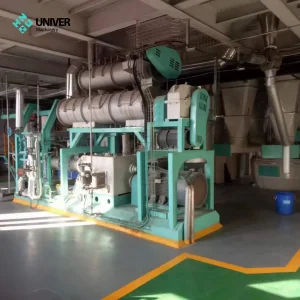
Partner with Hangzhou Pawlix Pet Co., Ltd. for custom shrimp feed formulations, high-yield twin-screw extruders, and biosecure functional feed additives shipped directly to Papua New Guinea.
Send Inquiry Now Pawlix Pet